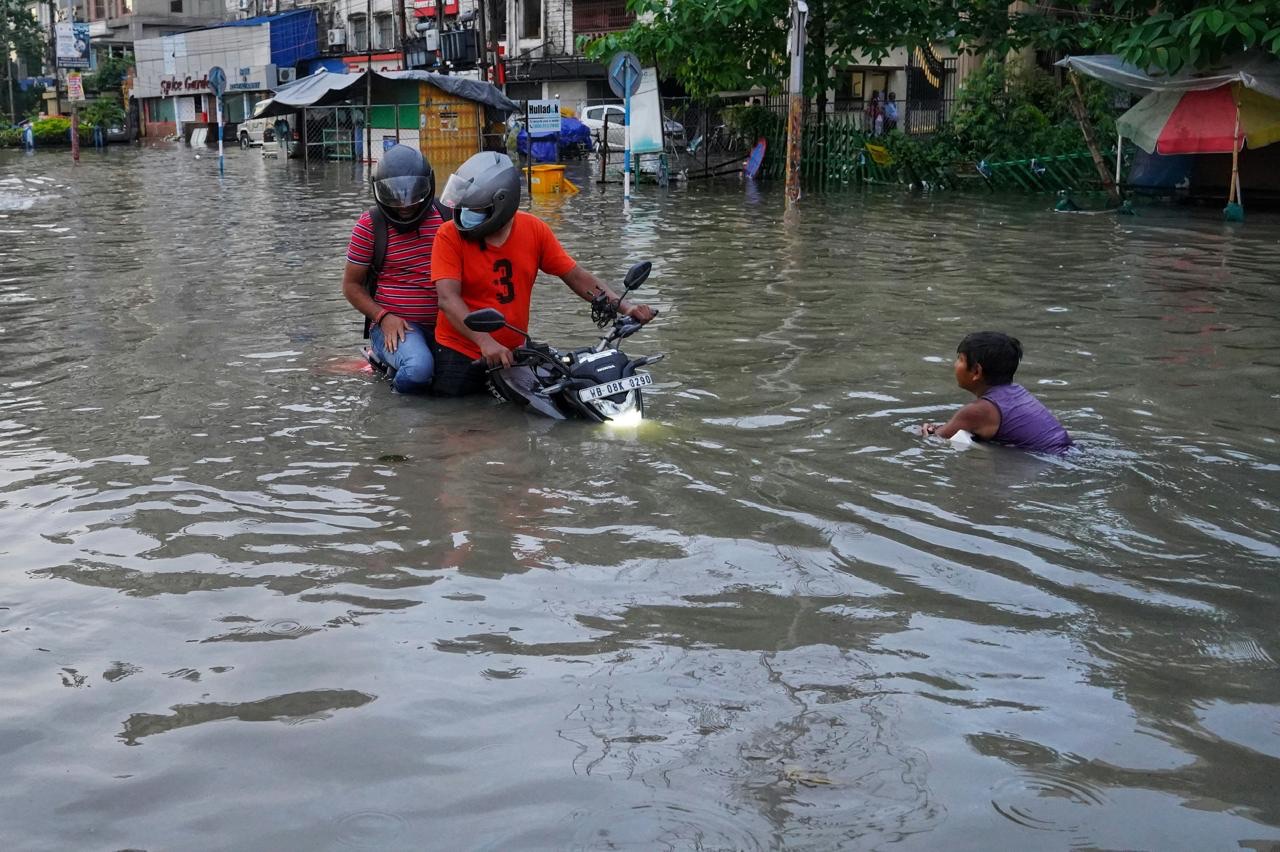
Cities across India are experiencing contrasting weather patterns on Tuesday, highlighting the varied climate risks urban centres face as they manage infrastructure, mobility, and economic activity. In the national capital region, early morning rain and thunderstorms have brought cooler conditions, while parts of southern India, including Chennai, are registering intermittent showers amid warm and humid skies. These shifts underline the need for cities to integrate climate resilience and adaptive planning into daily operations and long-term infrastructure strategies.
Delhi-NCR saw morning fog and scattered rainfall, with temperatures ranging between 16°C and 28°C. Urban planners note that fog combined with precipitation can significantly affect traffic flows, public transport schedules, and construction activities. Authorities have deployed alert systems for thunderstorms, reflecting growing municipal emphasis on real-time weather monitoring to mitigate urban disruption. Analysts suggest that such events, though short-lived, strain electricity, drainage, and emergency response networks, demonstrating the interconnected challenges of climate-sensitive urban management.
Chennai’s weather remained warm, with readings between 24°C and 29°C, and intermittent showers likely due to moisture-laden air from coastal systems. Industry experts highlight that even minor rainfall can influence urban drainage efficiency, public transport reliability, and short-term economic activity in the service and retail sectors. City planners continue to emphasise stormwater management upgrades and resilient infrastructure to reduce flood risk in low-lying neighbourhoods, while also factoring in the socio-economic implications for vulnerable populations. Mumbai and Hyderabad are experiencing warm and mostly dry conditions, with temperatures ranging from 25°C to 31°C. These cities illustrate a common southern urban challenge: balancing heat management with limited precipitation events. Urban designers and environmental consultants note that maintaining green cover, reflective building materials, and climate-smart water systems can mitigate heat stress while preparing for episodic rains.
Northern and western states, including Rajasthan, Uttar Pradesh, and Punjab, show clear skies with pockets of light rain. Jammu and Kashmir continues to report sub-zero temperatures and occasional snow at higher altitudes, indicating persistent cold-season risks for transport, energy supply, and tourism-linked economies. Experts argue that integrating climate data into real estate and municipal planning ensures cities remain operationally robust and economically resilient.Overall, today’s weather highlights the critical intersection of climate variability, urban infrastructure, and economic continuity. Municipal authorities and real estate developers are increasingly recognising that adaptive planning ranging from smart drainage networks to temperature-resilient building designs is central to sustaining growth and livability in India’s expanding urban centres.