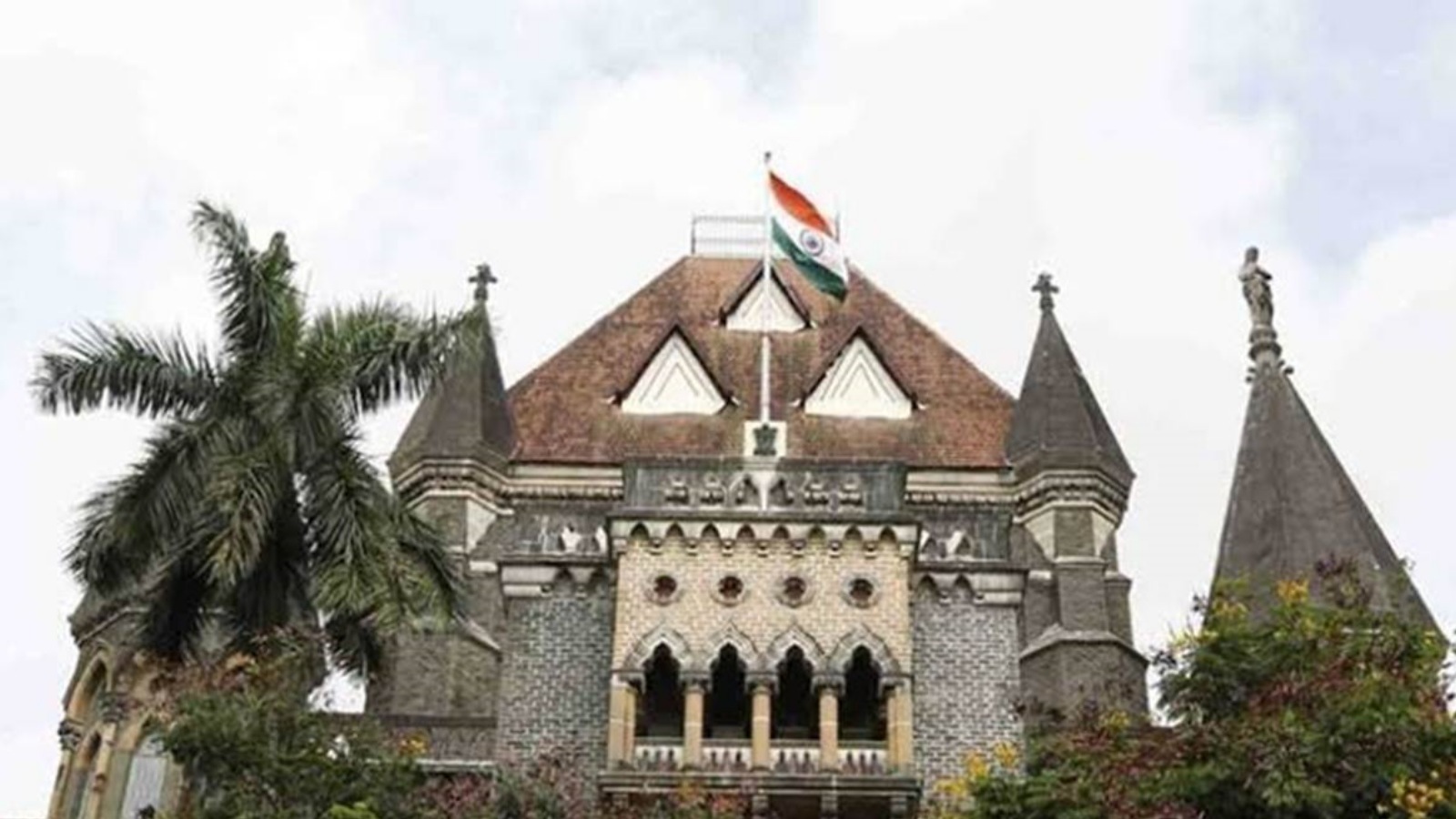
The Bombay High Court has intervened to restore redevelopment rights for a residential project in Tardeo, rebuking the Maharashtra Housing and Area Development Authority (MHADA) for cancelling a no-objection certificate (NOC) midway through construction. The court described the authority’s action as “high-handed,” underlining the need for careful legal scrutiny before public officials exercise powers that directly affect substantial urban investments.
The dispute concerns the redevelopment of the Satyabhama Building, a project that had reached the tenth floor of its proposed sixteen-storey design when MHADA withdrew the NOC. The authority acted following a claim by a party asserting ownership rights based on historical property records, which led to the restoration of the original owner’s title. MHADA’s decision instructed the developer to halt construction immediately, citing invalidated development rights under the previous ownership. Senior legal counsel representing the developer argued that the cancellation overstepped statutory authority, as determining ownership disputes falls within civil court jurisdiction. According to industry experts, such interventions can significantly disrupt urban redevelopment, particularly in high-density neighbourhoods where projects involve substantial capital and long-term planning.
Recognising the potential damage to investment and urban development, the high court directed MHADA to withdraw the order, allowing construction to resume in line with the original sanctioned plan. A division bench emphasised that public officials must obtain thorough legal advice and consider all aspects before exercising powers that could affect ongoing projects. Urban planners note that redevelopment in central city areas like Tardeo is critical to modernising ageing building stock, improving structural safety, and enhancing sustainability. Interruptions caused by administrative overreach can delay housing availability, increase construction costs, and undermine investor confidence. The court’s decision reinforces procedural safeguards, ensuring that redevelopment initiatives proceed without arbitrary administrative barriers.
The judgement also highlighted broader implications for governance and urban policy. By affirming the developer’s rights and cautioning authorities against unilateral action, the court underscored the balance between protecting property interests and maintaining regulatory oversight. This case serves as a precedent for similar urban redevelopment disputes, particularly in Mumbai, where high land value and complex ownership records frequently intersect with large-scale projects. Moving forward, officials and developers are expected to coordinate closely on legal and administrative compliance to prevent such conflicts. For residents and city authorities, ensuring that redevelopment projects follow due process is essential not only for individual property rights but also for maintaining the city’s built environment and resilience against structural and infrastructural challenges.
Mumbai HC Criticises MHADA Over Halting Tardeo Redevelopment Project Rights