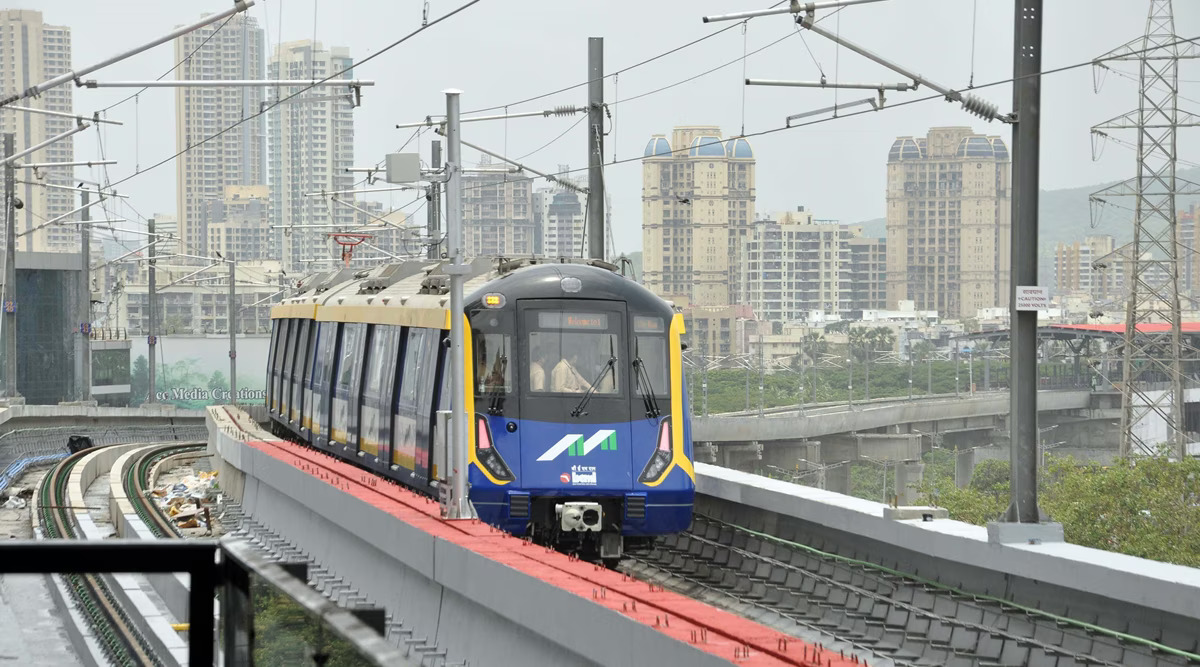
Mumbai’s push to expand mass transit infrastructure has come under renewed scrutiny after investigators told a city court that key agencies are yet to submit a comprehensive account of a fatal construction failure along Metro Line 4. The incident, which occurred on a busy arterial road in Mulund, has raised urgent questions about on-site supervision, contractor accountability, and safety governance in one of the region’s most ambitious urban mobility projects.
The collapse involved a precast concrete parapet element from an elevated metro corridor that fell onto moving traffic below, killing one commuter and injuring three others. Beyond the immediate human cost, the episode has wider implications for public confidence in large-scale infrastructure delivery at a time when Mumbai is relying on metro expansion to ease congestion, cut transport emissions, and support equitable access to jobs. According to information presented during court proceedings, investigators have not yet received a detailed technical report from the Mumbai Metropolitan Region Development Authority or the private firms executing the work. Law enforcement agencies indicated that the absence of timely documentation has slowed efforts to establish a clear sequence of events and identify responsibility across the project chain.
Preliminary findings shared with the court suggest that the parapet component had been installed only days before the collapse and may not have been adequately secured or integrated into the permanent structure. Investigators pointed to gaps in basic construction protocols, including incomplete fixing and insufficient curing time, which could have compromised stability over a live traffic corridor. Officials involved in the probe also highlighted procedural lapses beyond the construction site itself. These include limited coordination with traffic management authorities during installation activities and incomplete records relating to site supervision, safety inspections, and workforce deployment at the time of the incident. Such oversights, urban planners note, become critical risks in dense cities where infrastructure construction and daily life intersect closely.
The development authority has taken initial disciplinary action by suspending a technical official linked to the project. However, investigators have sought further clarification on whether prior safety concerns had been flagged and how internal monitoring mechanisms functioned before the collapse. Multiple individuals across contractor, consultant, and project management teams are reportedly under legal scrutiny for alleged negligence. Metro Line 4 is a central element of Mumbai’s east–west connectivity strategy, designed to reduce travel times, lower vehicular dependence, and support climate-resilient urban growth. Yet experts warn that recurring construction-related incidents across Indian cities underline the need for stronger enforcement of safety standards, independent audits, and transparent disclosure when failures occur.
As the investigation continues, the focus is likely to shift from isolated accountability to systemic reform. For Mumbai’s metro ambitions to remain credible, authorities may need to strengthen third-party oversight, publish clearer safety protocols, and ensure that rapid infrastructure expansion does not come at the cost of public trust or urban resilience.
MMRDA Metro Line 4 Faces Accountability Test