Bihar IGIMS Hospital Expansion Signals Public Health Push
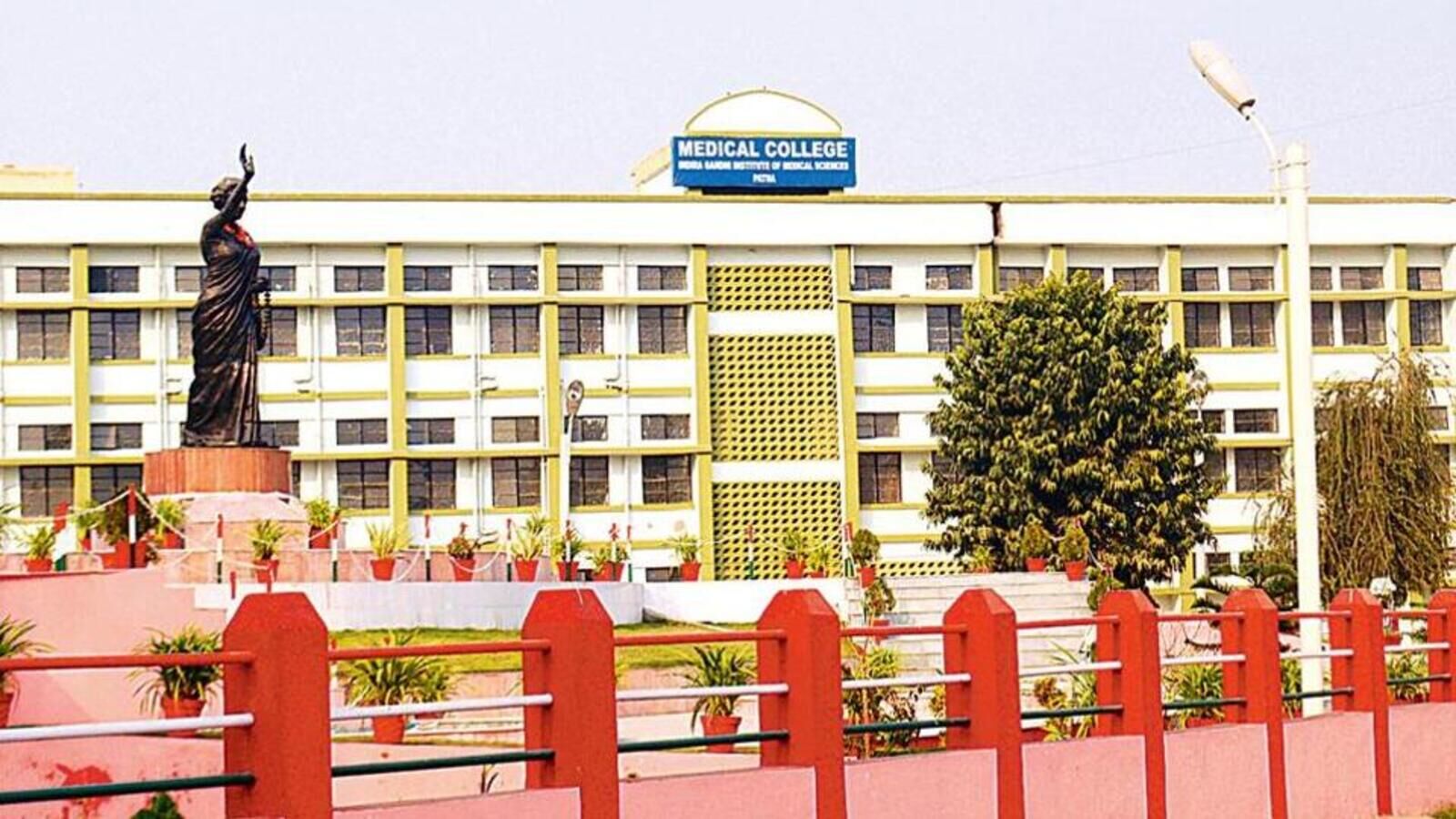
Patna, Bihar — Bihar’s state leadership has visibly accelerated investments into healthcare infrastructure, underscored by a hands-on inspection of the under-construction 1,200-bed hospital facility at the Indira Gandhi Institute of Medical Sciences (IGIMS) in Patna.
This visit signals a strategic shift in the state’s development agenda to strengthen public health systems while aligning infrastructure planning with broader economic growth and employment goals. The expanded hospital complex, which includes residential amenities for staff, is approaching completion and is part of a multipronged effort to enhance tertiary care capacity in a state where high-complexity services have historically been concentrated in a handful of urban centres. Officials present during the review were directed to accelerate remaining work and adhere to quality benchmarks ahead of its operational launch. Healthcare experts note that augmenting capacity at IGIMS can significantly reduce patient outflow to neighbouring states and metropolitan hubs, where families often incur high costs and logistical hurdles for advanced treatments.
A reticence to build such scale in public facilities until recent years has contributed to uneven health outcomes across the region, especially for chronic and critical care patients from rural districts. The hospital expansion aligns with Bihar’s larger Saat Nischay-III development framework, which aims to elevate primary, secondary, and tertiary health infrastructure together. Under this scheme, the government is also set to establish nursing and paramedical training institutes statewide to address chronic workforce shortages that constrain service delivery in both urban and rural facilities. Beyond infrastructure, the state health ministry recently outlined plans to transform all district hospitals into super-specialty centres, a move that reflects an intent to decentralise advanced care and reduce pressure on flagship urban institutions.
This includes upgrades in diagnostics, specialist staffing, and emergency care capacity — measures essential for enhancing resilience against public health shocks. While investments into hospital beds and facilities are visible markers of progress, analysts caution that workforce development — particularly the retention and continuous training of doctors, nurses, and technicians — will determine whether expanded physical capacity translates into improved health outcomes. The establishment of nursing and paramedical colleges across districts is expected to ease this bottleneck over the medium term. Alongside healthcare, the state has indicated plans to identify and pre-mark large tracts of government land for immediate industrial use, signalling a dual focus on social infrastructure and economic growth. This approach is intended to streamline investment flows, promote job creation, and integrate healthcare infrastructure within a broader socioeconomic development strategy.
For residents, the IGIMS expansion represents more than new beds; it embodies a structural effort to strengthen Bihar’s public health resilience while linking it to industrial development and labour markets. As completion targets tighten, authorities will need to ensure that these facilities are complemented by efficient referral networks, affordable care pathways, and sustained human resource development to realise the long-term promise of an equitable health system.