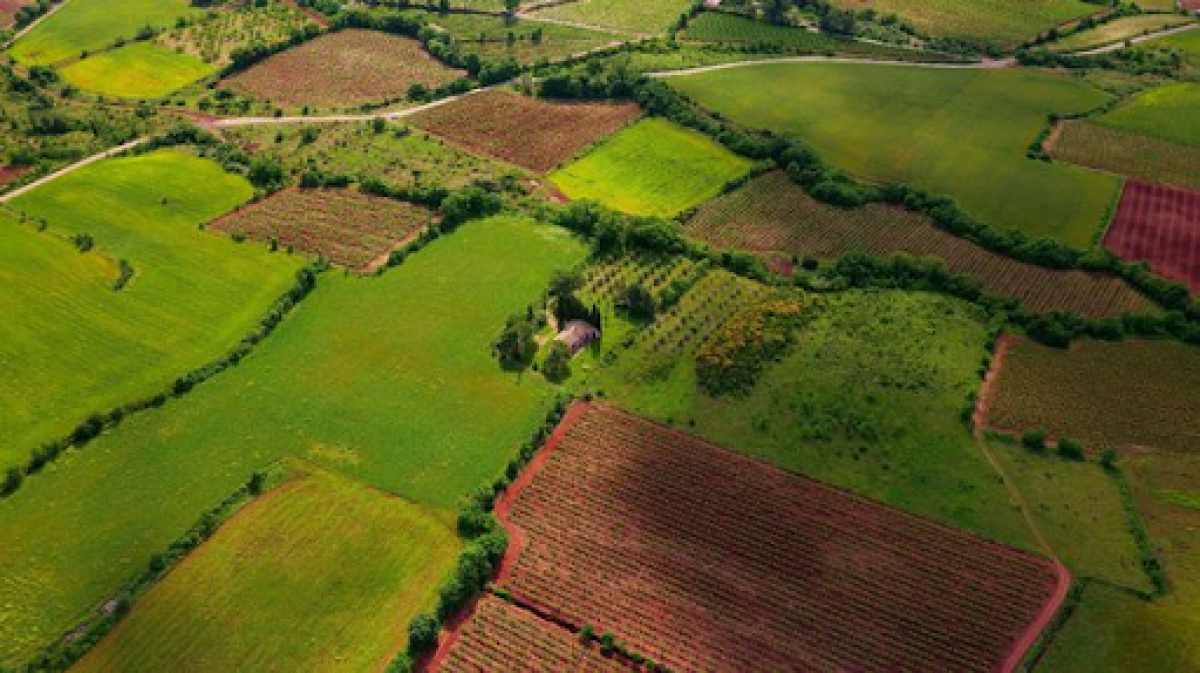
Goa has completed roughly a quarter of its statewide land records modernisation programme, marking a significant step in the transition from paper-based documentation to a digital property governance system. The update, which includes surveying parcels, issuing urban property cards and integrating ownership data into a central database, is intended to streamline land administration in one of India’s most land-sensitive states.
The Goa land records update is designed to reduce title ambiguities, shorten transaction timelines and enhance transparency in property dealings. Officials overseeing the programme say early phases have prioritised urban clusters, where land values are high and documentation gaps often trigger disputes. Field verification teams have been tasked with reconciling existing records with on-ground realities before digitised entries are finalised. For a state where tourism, real estate and small-scale agriculture coexist within tight geographic limits, clear land titles carry economic as well as social weight. Urban planners argue that accurate records are foundational to responsible development, infrastructure planning and climate adaptation. Without reliable ownership data, implementing flood mitigation projects, transport corridors or environmental buffers becomes administratively complex.
Yet the Goa land records update has also generated unease among some landholders. Concerns centre on the possibility of discrepancies surfacing during digitisation, potentially leading to corrections that alter long-standing boundaries or ownership entries. Community representatives have called for transparent grievance redress mechanisms to ensure that any errors identified during surveys can be contested and resolved fairly. Senior revenue officials maintain that the process includes safeguards, including opportunities for public review before entries are locked into the digital registry. They emphasise that the objective is not to restructure holdings but to document existing rights more precisely and reduce future litigation.
Land governance experts note that digitisation efforts across India have often encountered similar resistance during early phases. However, once completed, such systems tend to improve investor confidence and reduce transaction friction. For Goa, where property transfers underpin both local livelihoods and inward investment, credible records could also stabilise market valuations and curb speculative disputes. The remaining 75 per cent of the Goa land records update will extend into peri-urban and rural areas, where fragmented holdings and legacy documentation may require deeper scrutiny.
Officials have indicated that timelines may be adjusted to ensure accuracy rather than speed. As Goa continues to urbanise while protecting ecologically sensitive zones, the integrity of its land database will influence how equitably and sustainably growth unfolds. The coming phases will test whether administrative precision can align with public trust in a state where land remains both an economic asset and a cultural anchor.
Goa Land Records Update Reaches 25 Percent