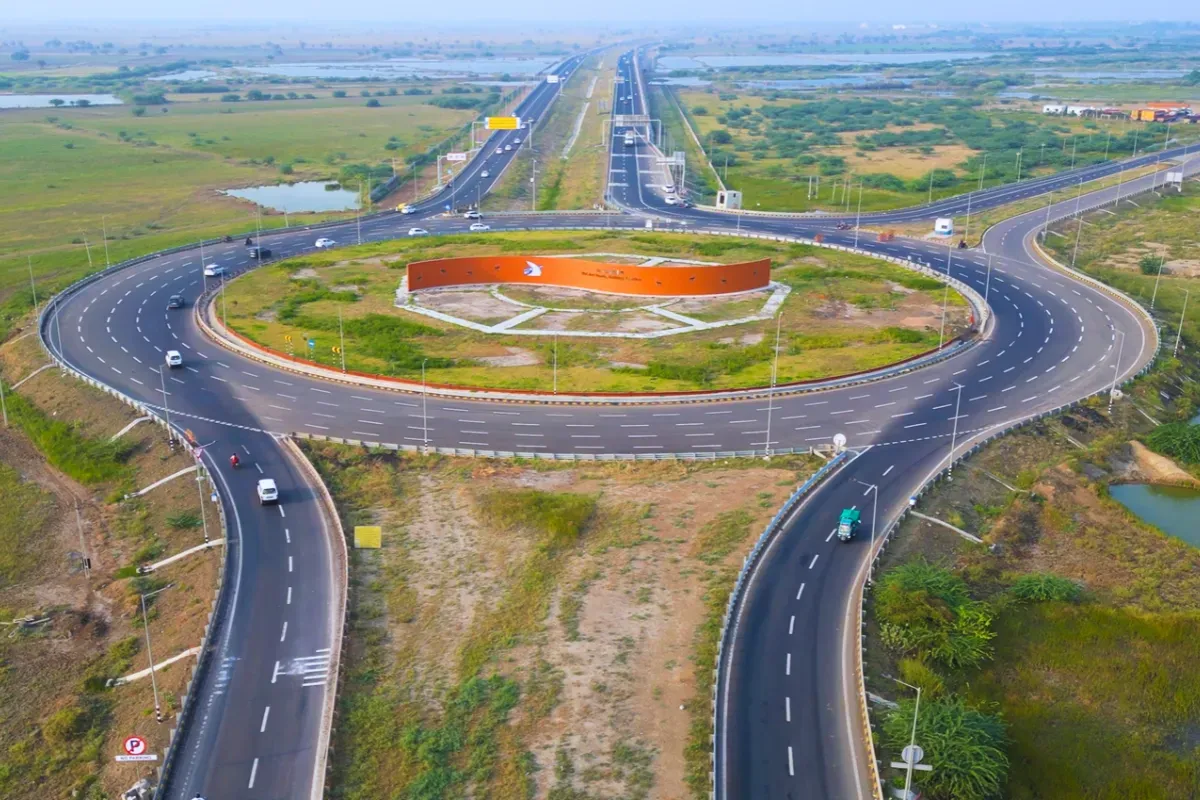
Gujarat has formalised a Rs 25,000 crore investment commitment for a 250MW greenfield data infrastructure project at Dholera Special Investment Region, signalling a decisive push to position the state as a national hub for artificial intelligence and hyperscale cloud capacity. The agreement, signed between the state government and L&T Vyom during the India AI Impact Summit 2026, outlines plans for a large-format, AI-ready campus within Dholera SIR. The proposed Gujarat Dholera data centre is expected to be operational by 2028, subject to technical studies and statutory clearances.
Officials confirmed that the company will undertake a comprehensive feasibility assessment covering land suitability, grid readiness, water access, cooling systems and sustainability benchmarks. The 250MW capacity places the project among the larger data infrastructure investments currently announced in India, reflecting surging demand for AI model training, cloud computing and advanced analytics. Dholera SIR, conceived as a planned smart industrial city, has been positioned as a future-ready urban node with integrated trunk infrastructure. Urban development analysts say the Gujarat Dholera data centre aligns with the state’s strategy of attracting high-value digital industries to newly developed economic zones rather than congested metropolitan cores.
Energy efficiency and carbon management are likely to be critical parameters. Hyperscale facilities require significant power and cooling resources, often raising concerns about grid stress and water consumption. Industry experts note that large campuses are increasingly integrating renewable energy procurement, waste heat management and advanced cooling technologies to lower environmental impact. The project’s “green” positioning will depend on how effectively these systems are deployed. The state government has allocated substantial budgetary support this year for AI and digital governance initiatives, signalling an integrated policy approach that links infrastructure, skills and regulatory facilitation. The science and technology department is expected to coordinate inter-agency clearances and utility provisioning.
From an economic standpoint, the investment could generate construction-phase employment over multiple years, followed by permanent technical and facility management roles. More significantly, analysts believe that anchor data centres often catalyse ancillary ecosystems including fibre connectivity providers, cybersecurity firms, hardware maintenance services and renewable energy developers. Real estate observers point out that large digital campuses tend to influence land valuation patterns and infrastructure priorities in surrounding zones. If executed as planned, the Gujarat Dholera data centre could reinforce the SIR’s positioning as a specialised technology corridor, complementing manufacturing and logistics clusters.
However, urban planners caution that digital infrastructure expansion must be balanced with sustainable resource planning. Long-term viability will depend on renewable power integration, resilient water management and inclusive employment pathways for local communities. As India’s AI and cloud markets expand rapidly, Gujarat’s bet on Dholera reflects a broader shift toward distributed digital capacity beyond traditional IT hubs. The coming feasibility phase will determine how swiftly this strategic investment translates into operational infrastructure.
Gujarat Dholera Data Centre Investment Boost