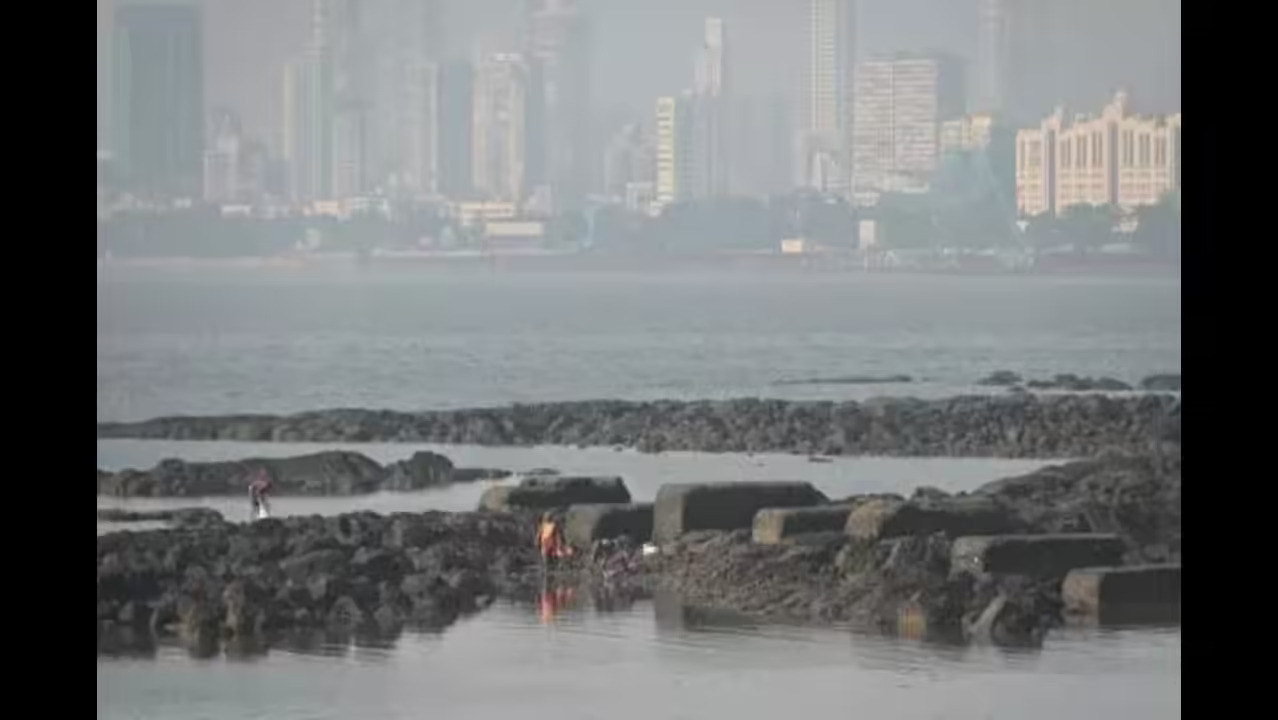
Environmental scrutiny has intensified in Navi Mumbai as proposed residential and commercial development in Nerul sector 60 faces mounting opposition over potential Coastal Regulation Zone (CRZ) violations. The 27,000-square-metre site, partially falling under the CRZ, has prompted intervention from both environmental groups and the Maharashtra Coastal Zone Management Authority (MCZMA), highlighting tensions between urban expansion and coastal ecosystem protection.
The project, described in official records as a “proposed construction,” includes three towers and a clubhouse. Preliminary approvals granted in 2020 for certain structures are now under review because two towers and the clubhouse partially encroach upon the CRZ, according to the Coastal Zone Management Plan of 2019. The plan stipulates that new construction for residential, institutional, and commercial use can only occur on the landward side of existing roads or authorised structures, explicitly prohibiting development on landward sides of newly created roads. A senior MCZMA official confirmed that the authority deferred decision-making last month, requesting clarification on whether the structures fall landward of existing roads or existing authorised infrastructure. This reflects growing regulatory caution around projects in sensitive coastal zones, where urbanisation can disrupt natural buffers, contribute to erosion, and threaten biodiversity.
Urban planners note that the Nerul corridor, with its proximity to wetlands and estuarine areas, represents a high-stakes environment for real estate growth. “Development in CRZ areas needs careful alignment with legal frameworks to ensure environmental resilience,” said a planning expert familiar with the project. “Misaligned construction can not only violate law but also compromise flood mitigation and habitat protection.” Environmental groups have voiced concern that some construction has proceeded without final CRZ clearance, raising questions about compliance monitoring and enforcement. Activists argue that unregulated expansion in coastal zones undermines climate-resilient urban planning, particularly in fast-growing satellite cities like Navi Mumbai, where development pressure remains high.
Industry analysts highlight that the case underscores the tension between the city’s push for residential and commercial infrastructure and the imperative to maintain sustainable urban growth. Ensuring clarity on landward positioning and compliance with CRZ notifications is expected to influence future permitting practices and could set precedent for other coastal developments across the region. Moving forward, the MCZMA’s decision will likely shape both project timelines and local planning policies. Observers suggest that resolving regulatory ambiguities and reinforcing environmental safeguards will be critical to balancing Navi Mumbai’s expansion with ecological and social resilience goals.
Navi Mumbai CRZ Project Faces Environmental Pushback