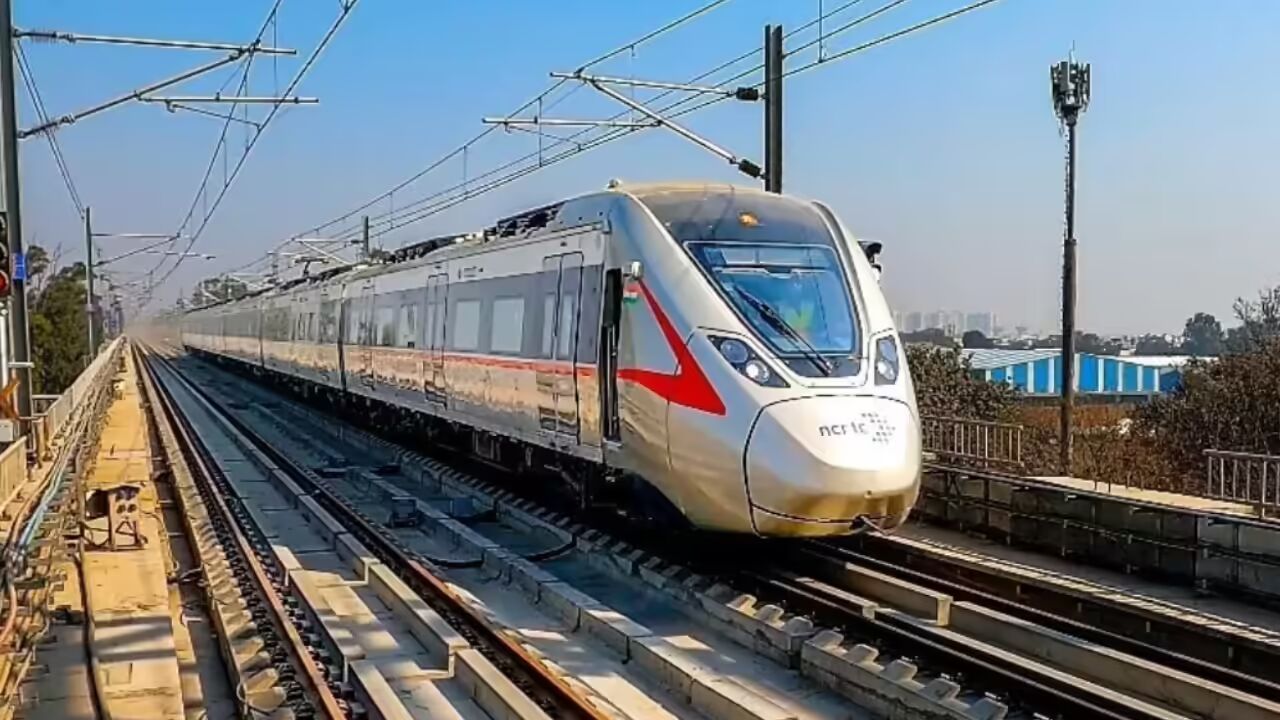
Delhi NCR Rapid Transit Set to Reduce Commute Times
Delhi NCR is poised to redefine regional commuting as India’s first fully operational Regional Rapid Transit System (RRTS) corridor prepares to open this weekend, promising a dramatic reduction in travel times and a major upgrade to sustainable mobility across the national capital region.
The 82-kilometre Delhi–Ghaziabad–Meerut rapid rail link will begin full public services from February 22, with the completed line expected to connect Sarai Kale Khan in the heart of Delhi to Modipuram in Meerut in under an hour — slashing the journey compared with congested road travel that frequently takes two hours or more. The corridor’s full commissioning follows phased openings that began with an initial 55-km stretch and 11 stations. With the inauguration of the remaining section — including the strategically important Sarai Kale Khan RRTS station — commuters will enjoy seamless, high-frequency connections with both Delhi’s dense urban core and outlying regional nodes. Once operational, trains on the Namo Bharat service are set to run every 10 minutes, improving reliability and capacity for daily travellers.
Urban and transport analysts point out that the RRTS’s completion is a watershed moment for mobility integration in the broader national capital region. Unlike traditional intercity rail, the RRTS is designed for semi-high-speed operations — with trains capable of reaching top speeds over 120 km/h — and stations linked directly with local transport networks. The Sarai Kale Khan hub, for instance, merges rapid rail with metro, long-distance rail and bus services, reducing transfers and friction for passengers. For daily commuters, this means a more predictable and efficient alternative to congested roads. The corridor’s design also aims to support modal shift — encouraging travellers to choose public transit over private vehicles, which can help reduce overall emissions and traffic congestion in densely populated corridors. Urban planners say such shifts are central to enhancing air quality and lowering carbon footprints in expanding metropolitan regions.
Beyond commuter convenience, the Delhi NCR RRTS completion carries broader economic implications. Faster regional connectivity can stimulate labour mobility, deepen integration between employment centres and residential zones, and expand real-estate markets along the corridor. Economists also highlight potential productivity gains as workers spend less time in transit and more time in productive activities. However, success will hinge on seamless integration with last-mile mobility solutions. Ensuring reliable feeder services, pedestrian linkages and integrated ticketing across metro, bus and rapid transit systems is critical to maximising ridership and delivering the corridor’s full potential. Policy experts emphasise that complementing the RRTS with supportive urban planning — such as transit-oriented development around key stations — can unlock further economic and social benefits.
As Delhi NCR gears up for this transport milestone, the region is watching closely how rollout and early operations unfold. If managed effectively, the rapid transit link could serve as a model for future regional transit systems across India, blending high-speed mobility with sustainable urban development.