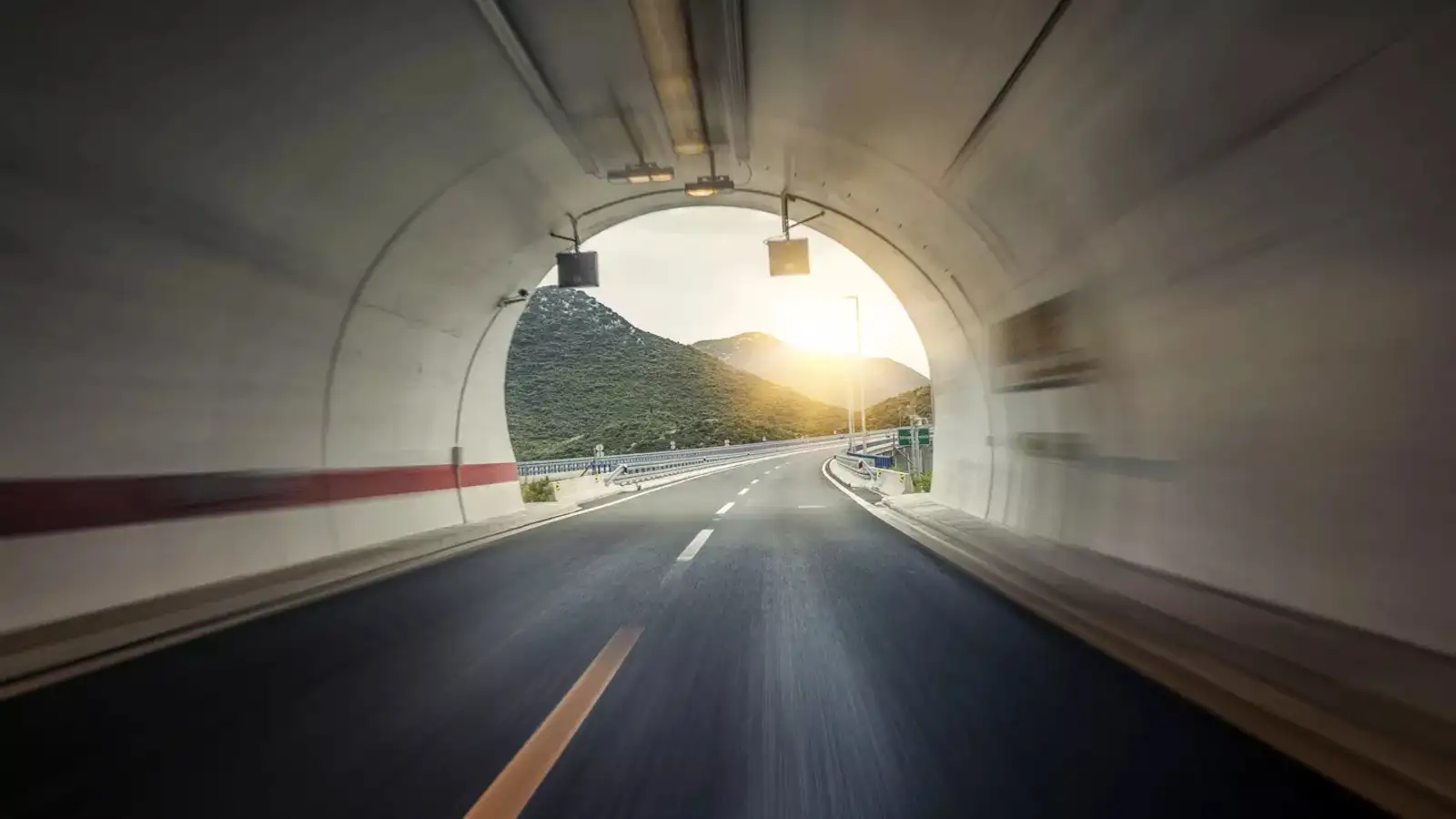
Mumbai’s transport planning is entering a new phase, with the metropolitan authority formally earmarking substantial funding for underground road corridors in its 2026–27 budget. For the first time, dedicated capital has been set aside for integrated tunnel roads, signalling a strategic move to shift a portion of vehicular movement below ground in one of the world’s most congested urban regions.
The Mumbai Metropolitan Region Development Authority has allocated more than ₹5,400 crore for tunnel road projects in the coming financial year. Of this, nearly ₹1,200 crore has been reserved for a proposed underground link connecting the Worli–Bandra Sea Link to Terminal 2 of Chhatrapati Shivaji Maharaj International Airport, creating a direct, signal-free route between South Mumbai, Bandra Kurla Complex and the airport zone. The corridor is also planned to interface with the future high-speed rail terminal in the business district. In parallel, over ₹4,000 crore has been committed to two large tunnel road projects already under execution—one linking Orange Gate with Marine Drive, and another connecting Thane with Borivali. Together, these projects form the backbone of a proposed citywide underground road network aimed at decongesting surface streets and improving cross-city travel reliability.
Urban transport officials describe the tunnel programme as a complementary layer to existing metro, suburban rail and coastal road investments. By diverting through-traffic underground, planners expect surface roads to become more pedestrian-friendly and efficient for buses, emergency services and short local trips. Reduced idling time and smoother traffic flow are also projected to lower fuel consumption and tailpipe emissions—an increasingly important consideration as Mumbai faces climate and air-quality pressures. The tunnel initiative is part of a longer-term vision to develop nearly 70 km of underground road corridors across the metropolitan area, with a total estimated investment exceeding ₹1 lakh crore. Advanced tunnel boring machines are being deployed to minimise disruption at ground level, while officials maintain that geological assessments are being used to safeguard groundwater systems during construction.
However, the scale of excavation has prompted scrutiny from urban sustainability specialists. Environmental planners point out that managing excavated material, monitoring induced traffic demand and ensuring that tunnels do not simply encourage more private vehicle use will be critical tests for the project’s long-term value. Several experts argue that underground roads must be integrated with strong public transport and freight management strategies to avoid undermining climate goals. As Mumbai continues to densify vertically and horizontally, the tunnel road budget marks a decisive experiment in reshaping how the city moves. Whether this underground shift delivers lasting congestion relief or merely redistributes traffic will depend on execution discipline, transparency, and its alignment with a people-first mobility framework.
MMRDA Sets Aside Rs 5,400 Crore For Mumbai Tunnel Roads