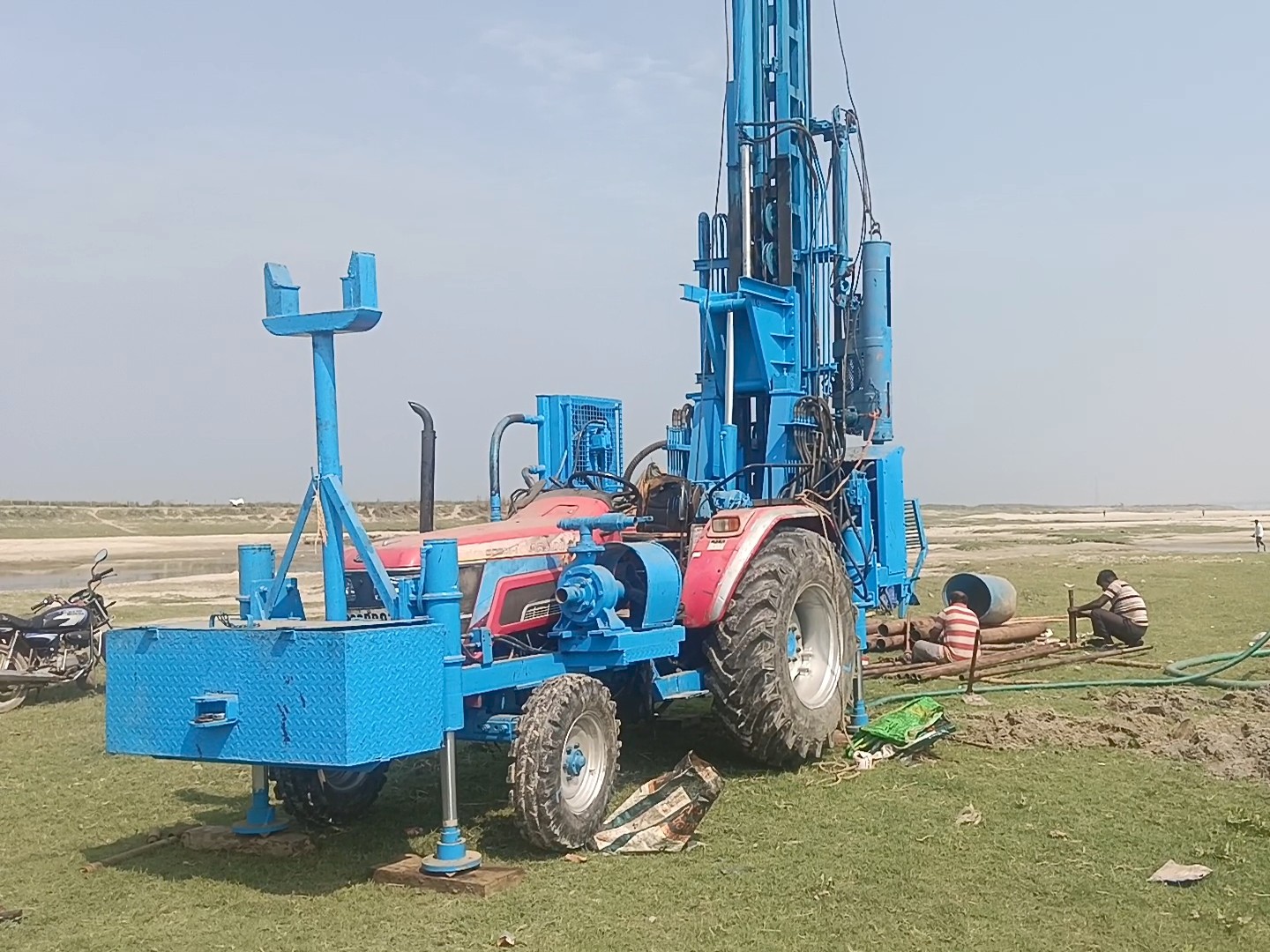
Patna has initiated a critical technical phase in its long-awaited riverfront infrastructure project, launching soil investigations for an ambitious 40-kilometre extension of the city’s Marine Drive from Digha to Koilwar along the Ganges.
Engineers and technical teams have begun collecting sub-surface samples to inform design choices, laying groundwork for enhanced connectivity, climate-adaptive construction and urban mobility solutions at the river edge. The soil testing, which involves geotechnical evaluation of ground strength, composition and load-bearing capacity, is a prerequisite for finalising structural designs and assessing foundational stability for the expanded carriageway. Officials overseeing the work emphasised that results will directly influence construction approaches, choice of materials and environmental safeguards, particularly given the proximity to the Ganges’ dynamic riverine ecosystem.
Urban and transport planners highlight that riverside roads like Marine Drive can reshape city access patterns, reduce congestion on inner city roads and unlock economic corridors toward western Bihar. The proposed expansion parallels the Ganges — a geographic asset that has historically posed engineering challenges due to alluvial soils and seasonal water level variability. Conducting rigorous soil analyses early in the planning process is increasingly seen as essential to ensure structural resilience and long-term sustainability. “Understanding the geo-technical profile of this stretch is not just an engineering check-box, it’s fundamental to ensuring that the infrastructure can withstand monsoon pressures, high water tables and potential climate extremes,” said a senior planner familiar with the project. Experts also noted that soil conditions will influence drainage design, erosion control measures and integration of green infrastructure along the riverbank corridor.
Marine Drive’s expansion, if fully realised, will extend the existing road network that currently improves intra-city movement along the riverfront — an initiative that has been evolving in phases for years. Past development has seen sections of elevated and at-grade urban expressway connect Patna’s central areas to peripheral zones, reducing travel times and creating public spaces along the Ganges. Local residents and business groups have generally welcomed the progress, anticipating that a longer, uninterrupted riverfront route could stimulate commuter traffic flow, support tourism and catalyse neighbourhood revitalisation in adjacent wards. However, civil society advocates urge planners to balance rapid road expansion with environmental stewardship, protection of riparian habitats and equitable access to riverfront public spaces.
In practical terms, the next milestone for the Marine Drive project will be the completion and review of the soil testing report. Only once this geotechnical assessment is approved can engineers advance to detailed design, environmental clearance processes and eventual construction contracts. With the Ganges’ seasonal rhythms and Bihar’s monsoon climate presenting engineering complexities, this foundational phase underscores a disciplined, data-driven approach to infrastructure development that seeks to enhance urban mobility while respecting ecological constraints.