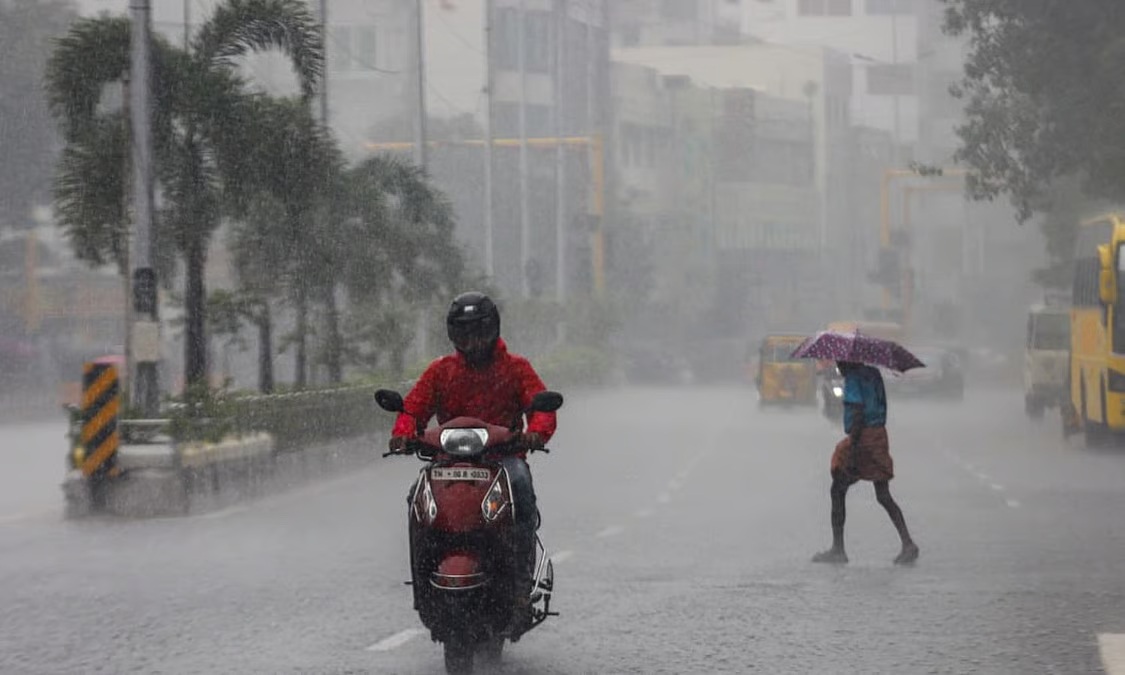
As southern Tamil Nadu prepares for isolated heavy rainfall over the weekend, the capital city is expected to stay largely dry, highlighting uneven weather patterns that could impact regional urban planning and infrastructure resilience. Forecasts indicate that districts including Kanyakumari, Tirunelveli, Thoothukudi, Tenkasi, Virudhunagar, Theni, Dindigul, and Madurai will experience moderate to heavy rainfall, prompting heightened attention to flood management and civic preparedness in these areas.
Meteorological analyses point to a developing low-pressure system over the Equatorial Indian Ocean and adjoining Southeast Bay of Bengal, influenced by an upper air cyclonic circulation. The system is projected to shift northwestwards, creating conditions for intermittent thunderstorms, gusty winds, and localized downpours. Urban planners and infrastructure experts note that these patterns, though currently isolated, may strain drainage networks in towns unaccustomed to sudden heavy rain, potentially affecting mobility, supply chains, and real estate developments in flood-prone zones.
While Chennai’s central districts are forecast to remain dry, early morning mist or haze may reduce visibility, particularly along arterial roads and metro corridors. Traffic management authorities may need to consider temporary adjustments, especially in industrial and commercial hubs where commuting volumes are high. For southern districts, the expected rainfall underscores the importance of climate-resilient infrastructure, including reinforced roads, improved stormwater systems, and contingency plans for residential complexes in smaller towns. Economic implications are particularly relevant for local markets and construction activities. Industry experts highlight that construction schedules and logistics operations in affected districts may experience delays, while agricultural regions could see temporary gains from rainwater replenishment. Urban resilience professionals stress that repeated weather events of this nature highlight the urgency of integrating climate-adaptive measures into regional planning, particularly in districts experiencing rapid urbanisation and industrial expansion.
This weekend’s rainfall patterns, therefore, represent more than a meteorological concern. They reflect broader challenges in building cities that are both climate-resilient and equitable. With southern Tamil Nadu receiving concentrated rainfall while Chennai remains dry, policymakers and developers face a dual challenge: preparing smaller towns for potential waterlogging and ensuring metropolitan infrastructure is safeguarded against visibility and traffic hazards. Looking ahead, integrating early warning systems, enhancing stormwater management, and embedding climate risk assessments in urban development plans will be critical. Observers emphasise that such strategies not only mitigate immediate disruption but also align with long-term goals for sustainable, zero-carbon urban growth across Tamil Nadu.