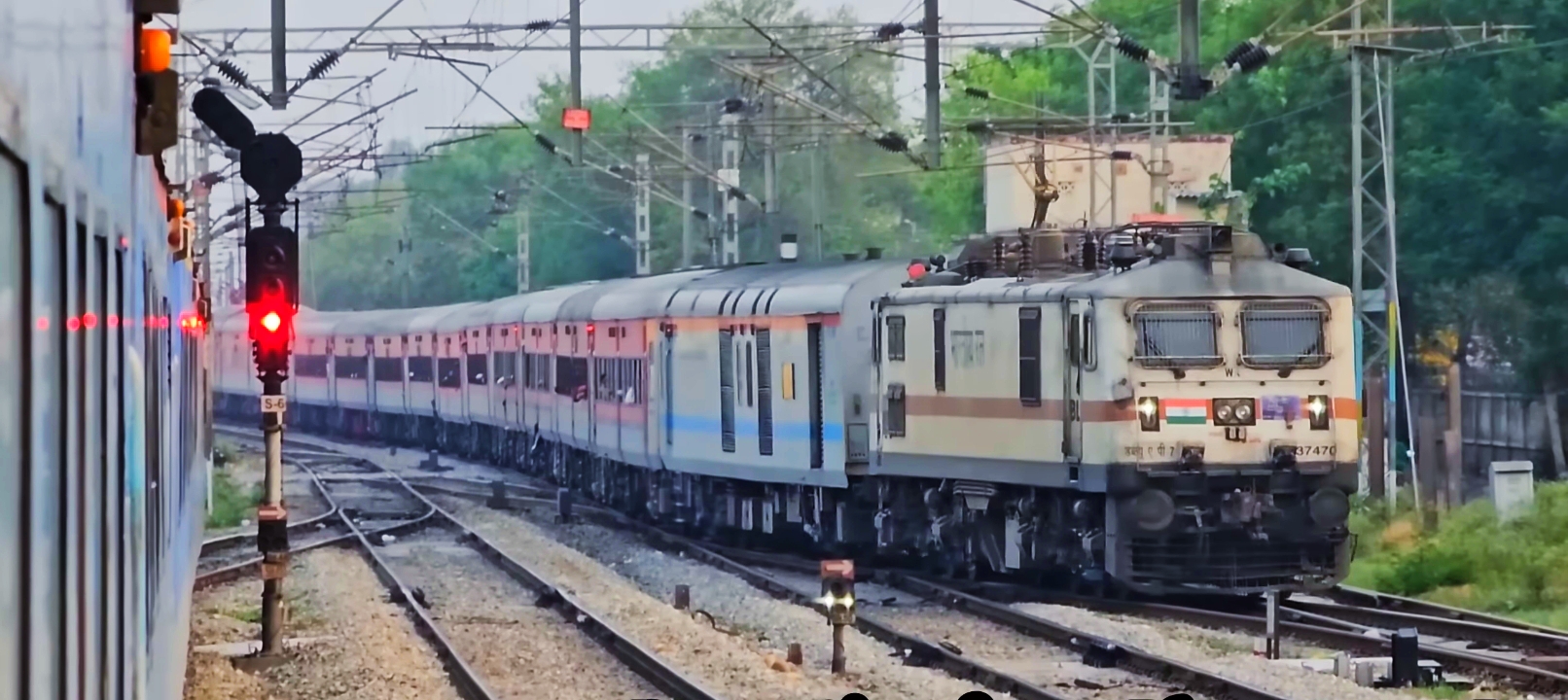
Northern Railway’s Jammu division has temporarily expanded capacity on two long-distance services linking Jammu with Delhi and Kolkata, responding to a projected spike in festive travel. The move, which includes the addition of air-conditioned and general coaches on select dates, reflects rising seasonal demand on inter-state corridors that connect pilgrimage, defence, and migrant worker populations.
An additional AC three-tier coach will be attached to the Jammu–New Delhi Rajdhani service on February 21 and 22, while the Jammu Tawi–Kolkata Express will run with an extra unreserved coach between February 21 and March 1. Railway officials said the step was taken after booking patterns indicated heavy occupancy levels across both routes. The decision to deploy extra coaches underscores how festive travel continues to strain India’s trunk rail corridors, especially those connecting northern hill regions with metropolitan centres. The Jammu–Delhi route caters to government personnel, students and business travellers, while the Kolkata link remains a key mobility line for seasonal workers and extended families travelling between eastern India and the Union Territory.
Transport economists note that such tactical capacity augmentation is increasingly common during peak seasons. “Dynamic coach additions allow the railway network to respond to short-term surges without altering the broader timetable structure,” said a senior railway operations expert. However, they also point out that recurring festive congestion highlights the need for long-term investments in rolling stock, platform upgrades and scheduling optimisation. The addition of extra coaches may appear incremental, but it carries broader urban implications. Rail remains one of the lowest-carbon mass transit options available in India. Enhancing capacity on existing services helps absorb demand that might otherwise shift to road transport, thereby easing highway congestion and lowering emissions per passenger kilometre. In rapidly urbanising corridors, efficient rail operations play a critical role in sustaining equitable access to employment and education.
For cities such as Jammu, which function as gateways to pilgrimage sites and border districts, reliable long-distance connectivity is closely tied to economic activity in hospitality, retail and small enterprises. Meanwhile, eastern migration corridors linked to Kolkata continue to depend heavily on affordable rail options for labour mobility. Urban planners argue that consistent seasonal pressures signal the need for predictive data systems and integrated transport planning. As India pushes towards modernised stations and electrified routes, capacity management will become central to ensuring that growth in passenger numbers does not compromise comfort or safety. For now, the extra coaches offer immediate relief to travellers navigating festival-season journeys. Over the longer term, sustained investments in resilient rail infrastructure will determine how effectively India’s cities manage rising mobility demand while advancing climate-conscious transport systems.