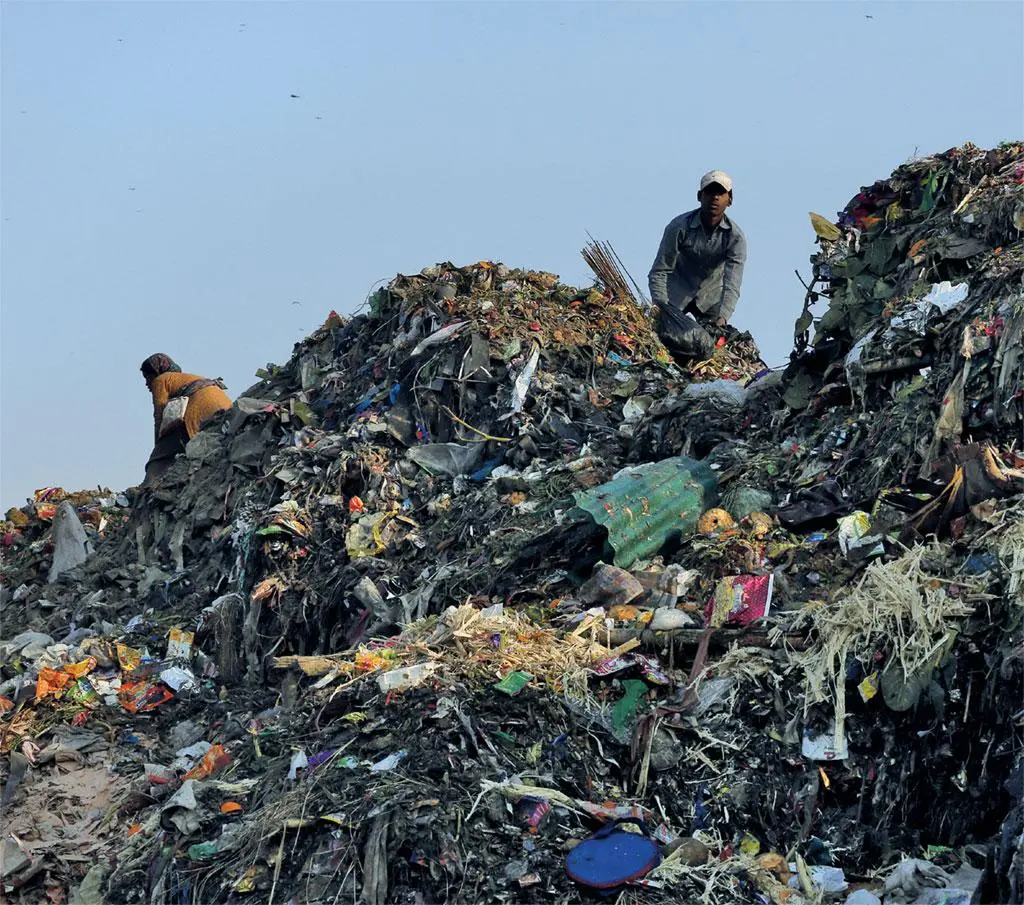
Nashik Tops 80 Percent Waste Segregation At Source
In a bid to institutionalise plastic recycling and strengthen waste management systems, the Maharashtra government has signed its first state-level memorandum of understanding (MoU) with Hindustan Coca-Cola Beverages to systematically collect and recycle post-consumer PET bottles across key urban and peri-urban centres. The deal — unveiled during Mumbai Climate Week — dovetails with a parallel push to improve broader waste paper and post-consumer waste streams that have long challenged the state’s environmental planners and civic authorities.
While PET (polyethylene terephthalate) bottles have dominated the spotlight, urban waste specialists note that the inclusion of waste paper — one of India’s most voluminous recyclable materials — is critical to reducing landfill pressure and advancing a genuine circular economy. Paper waste accounts for a significant portion of municipal solid waste and, if not separated at source, undermines recycling pipelines by contaminating plastic and organic fractions. In cities like Mumbai and Pune, effective segregation of paper saves processing costs and boosts recovery rates for both cardboard and office paper.Under the “Maha-rPET Campaign”, the government and Coca-Cola plan to establish designated collection hubs at commercial centres, hotels, transport nodes and public spaces in Mumbai, Thane, Navi Mumbai, Pune, Nashik, Panvel and Palghar. Officials say those collection points may also enable streamlined segregation of waste paper alongside plastics — a necessary step to ensure that recyclables enter organised channels rather than informal ones that often degrade material value.
State environmental officials describe the MoU as part of a broader strategy to align municipal operations with the State Climate Action Plan, which emphasises sustainable resource management and infrastructure resilience. Effective waste paper recovery, alongside PET recycling, maximises material reuse and reduces demand for virgin raw inputs — a key carbon-reduction lever in waste management.Urban planners and local government representatives highlight that tackling paper waste efficiently requires both policy support and cultural change. “Paper is often mixed with food waste and plastics at the household level, which complicates recycling,” said a municipal solid waste consultant in Mumbai. “Unless we catalyse segregation at source, downstream recycling logistics remain costly and inefficient.” Experts point out that community-level material recovery facilities and awareness campaigns are essential complements to infrastructure investments.
The private sector’s role is also evolving. Coca-Cola’s environmental reporting shows that globally the company has incrementally increased its collection rates for PET bottles year on year, a trend that state officials hope to replicate in Maharashtra’s context. The collaboration seeks not just to recover plastic but also to pilot best practices for integrating other recyclables like waste paper into municipal recovery chains.Critically, stakeholders emphasize that success will hinge on measurable outcomes — such as increased diversion rates for both PET and paper waste, job creation within recycling ecosystems and enhanced performance by material recovery facilities. Analysts say that embedding these metrics into public reporting will help maintain accountability and foster innovation in urban waste governance.
As implementation unfolds, Maharashtra’s efforts could set a precedent for holistic waste management models that other Indian states are watching closely, particularly where rapid urbanisation and limited landfill capacity drive urgent demand for scalable recycling solutions.