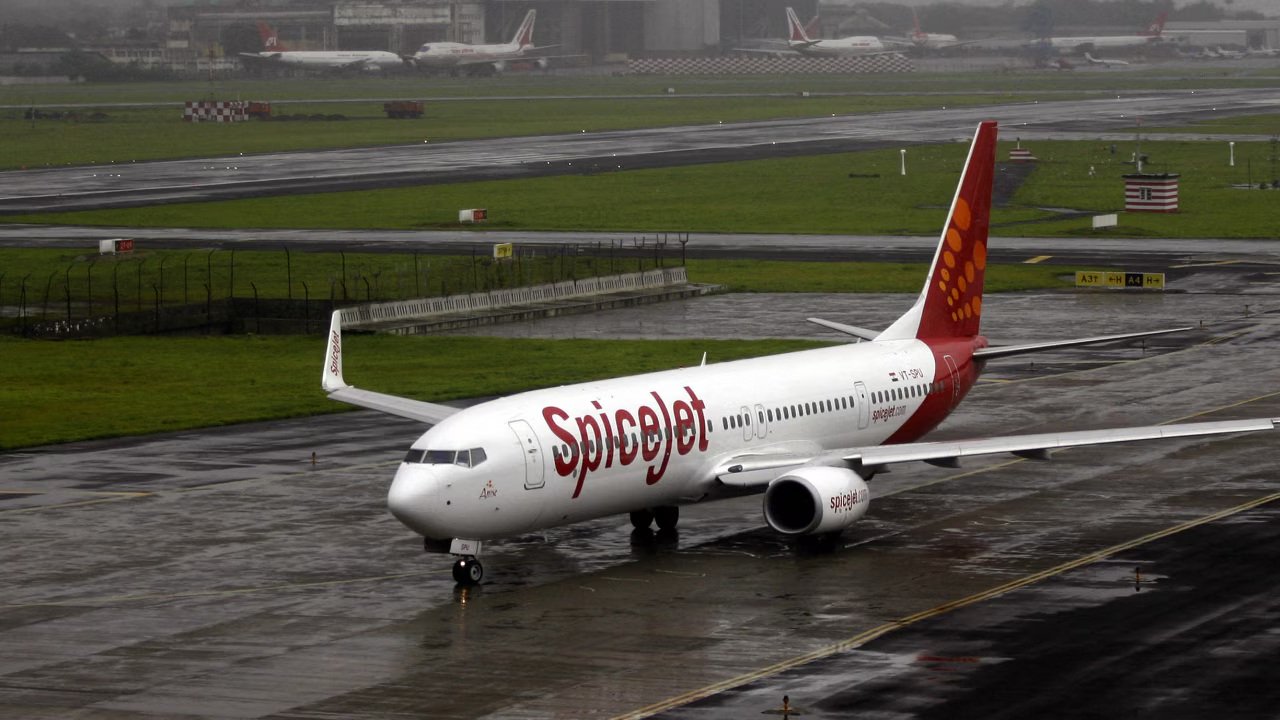
Kolkata Air Traffic Affected As SpiceJet Faces Ban
Air services between eastern India and the Northeast are facing fresh operational strain after Bangladesh temporarily barred a major Indian carrier from traversing its airspace, city aviation sources confirm, a move that is lengthening flight paths from Kolkata and adding cost and time burdens to regional connectivity. The restriction reportedly enacted over unsettled navigation and airspace charges forces aircraft to adopt detours around Bangladeshi skies, particularly on routes linking Kolkata with northern hubs such as Guwahati and Imphal. While the airline maintains scheduled operations, the detours translate into higher fuel use, longer block times and tighter aircraft utilisation schedules at a moment when carriers are already grappling with cost pressures.
From an urban mobility and economic standpoint, the development matters beyond the balance sheets of one airline. Kolkata’s Netaji Subhas Chandra Bose International Airport is a vital node for passenger flows and cargo movement linking eastern India with the Northeast and South Asia. Extended flight times can ripple into city tourism and business travel, escalate ticket prices and complicate airline capacity planning during peak travel seasons. An airline spokesperson characterised the dispute as a standard industry-level issue under discussion with relevant regulators and said efforts were underway for a swift resolution. The Bangladesh civil aviation authority did not immediately respond to requests for clarifications on the scale or structure of the dues at the time of reporting.
Radar-tracking data shows aircraft are charting new waypoints that entirely avoid Bangladeshi air corridors, adding up to 20–30 minutes on certain sectors. For passengers connecting from Kolkata to the Northeast, marginal delays may appear innocuous; but cumulatively they affect aircraft rotations, crew duty windows and slot adherence at congested airports. Sectoral analysts point out that in an ecosystem where airline margins are thin, such incremental inefficiencies can strain recovery efforts. Transport economists note this episode underscores broader challenges in regional airspace governance. South Asian airspace is densely interlaced, and seamless overflight rights are critical both for commercial efficiency and sustainable operations. Deviating around sovereign airspace increases fuel burn and carbon emissions, at odds with emerging climate goals within civil aviation and urban air quality targets of gateway cities like Kolkata.
For passengers and freight customers, the immediate impact will likely surface in slightly higher fares and extended travel times. Business travel planners, logistic providers and airport authorities are now monitoring how prolonged rerouting could influence daily schedules and infrastructure strain, particularly during the forthcoming festival season. As discussions continue, airline and urban transport stakeholders are urging expedited talks between New Delhi and Dhaka aviation regulators. A swift settlement could restore optimal routings, enhance flight reliability and align with broader goals of efficient, low‑carbon regional connectivity that benefits travellers and cities alike.