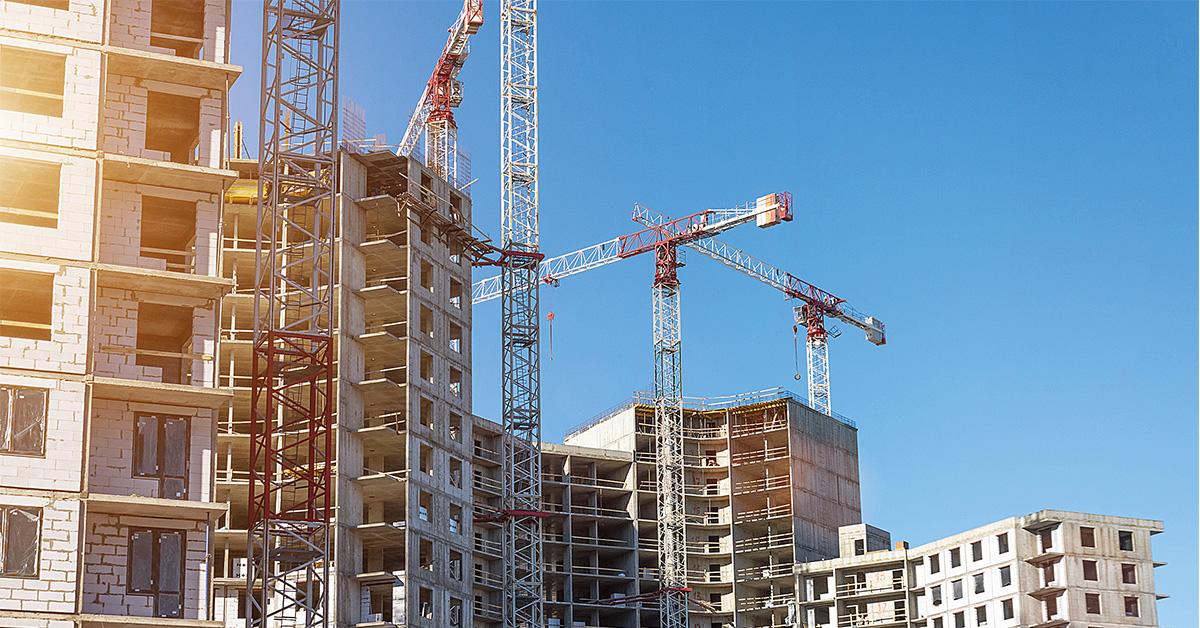
The city’s Electronic City corridor has gained a significant addition to its residential landscape with the launch of a new premium housing development spanning nearly seven acres. The project, comprising three 32-storey towers and over 350 residences, aims to address growing demand for well-connected, high-quality living spaces within proximity to the city’s technology hubs.
Urban planners note that the development’s low-density design, with just four units per floor, reflects a growing trend in Bengaluru for projects that prioritise privacy, open space, and integrated amenities. Approximately 88% of the site is reserved for open-to-sky areas, including landscaped gardens, forest walkways, and community facilities, supporting a city-wide push towards climate-resilient, human-centric urban environments. Residences range from three to five bedrooms, with sizes spanning roughly 1,860 sq ft to over 5,300 sq ft, catering primarily to end-users seeking spacious homes rather than investors targeting high-turnover sales. Market analysts suggest the project is likely to attract mid-to-high-income professionals working in the nearby IT parks, leveraging its location within a 10-minute radius of over a dozen corporate hubs and less than a kilometre from the Huskur Metro Station.
The project’s amenity portfolio, spread across a 1.7-acre elevated podium and anchored by a 17,700 sq ft clubhouse, incorporates wellness, recreation, and community-focused facilities. Urban development experts highlight that such integrated amenity clusters are increasingly valued in city planning as they reduce residents’ need for external travel, contributing indirectly to lower local traffic congestion and energy consumption. From an economic perspective, premium residential launches in mature corridors like Electronic City indicate continued investor confidence in Bengaluru’s urban growth trajectory. However, sustainability specialists caution that high-rise developments must balance density with ecosystem preservation, including tree coverage and natural ventilation, to mitigate heat-island effects and maintain livable microclimates.
The project is slated for completion by 2030, aligning with the city’s longer-term urban expansion and infrastructure timelines. Its proximity to public transport, educational institutions, healthcare, and retail centres underscores the importance of strategic urban planning in shaping liveable neighbourhoods that integrate work, leisure, and residential needs. Industry observers anticipate that such developments will increasingly define Bengaluru’s premium housing segment, highlighting the city’s shift towards holistic, end-user-oriented urban growth, while also offering insights into balancing density, sustainability, and connectivity in fast-expanding metropolitan zones.