Chennai Roads Department Gets Largest Budget Share
Chennai’s municipal authorities have unveiled the Greater Chennai Corporation’s (GCC) budget for 2026–27, highlighting a strategic focus on urban mobility and solid waste management. With an overall outlay of Rs 9,319 crore and a projected deficit of Rs 1,602 crore, the plan signals the city’s intent to address infrastructure gaps while managing constrained resources.
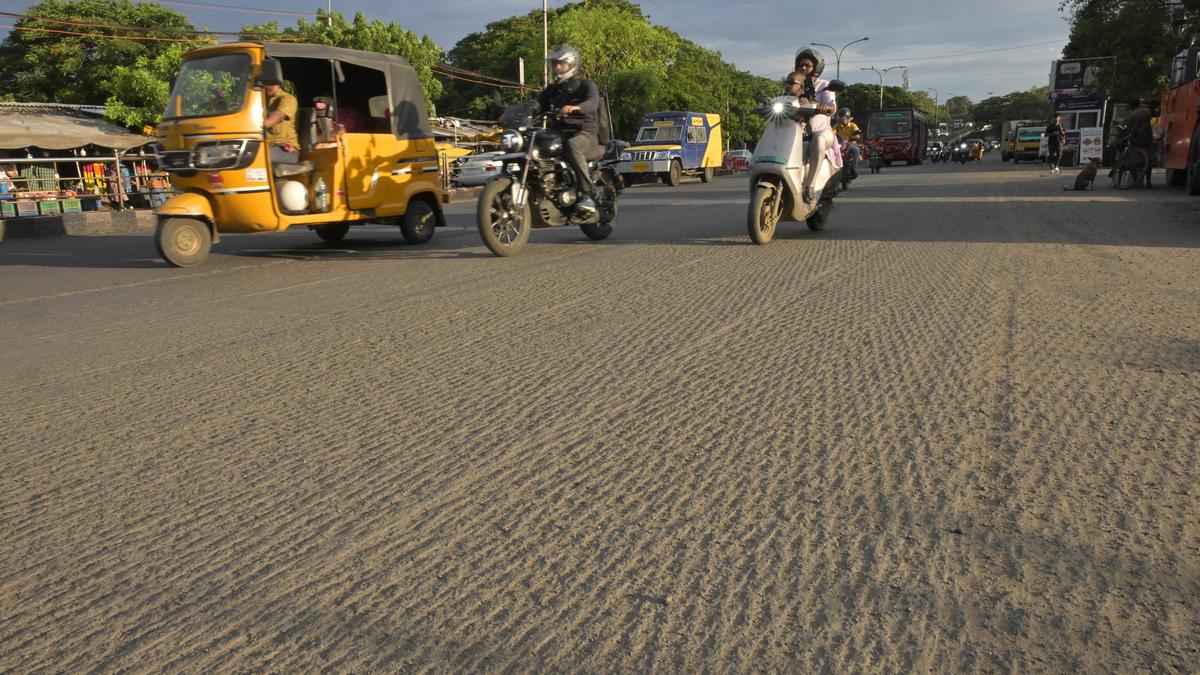
The capital allocation for the year is Rs 2,754 crore, earmarked for urban infrastructure, while revenue expenditure is projected at Rs 6,146 crore. Property tax remains the backbone of municipal revenue, anticipated to rise to Rs 2,450 crore, supplemented by professional taxes projected at Rs 600 crore. Grants from state taxation bodies and surcharges will further contribute to funding essential civic services. A notable feature of this budget is the substantial increase for the Bus Route Roads department, whose allocation more than doubled to Rs 725 crore. Officials point to this funding as critical for constructing new corridors, upgrading pavements, and modernising bus stops. Urban planners suggest that such investment could improve commuter access, reduce vehicular congestion, and strengthen public transport adoption, aligning with climate-resilient urban mobility goals.
Solid Waste Management received the second-highest allocation, rising to Rs 323 crore, largely aimed at bio-mining initiatives at Kodungaiyur and procurement of sanitation equipment. Experts indicate that enhanced waste management infrastructure supports public health and environmental sustainability, especially in densely populated urban areas. Conversely, allocations for storm water drainage, buildings, bridges, and electrical departments have been reduced. The storm water drains department faces a 46% reduction, with projects now prioritised under state and multilateral funding. Bridges, electrical, and mechanical engineering budgets were also scaled back, reflecting a strategic shift toward targeted urban infrastructure rather than broad-based expansions. Analysts note that while cost optimisation is evident, maintaining service quality across public utilities will require careful monitoring.
Smaller yet critical allocations include Rs 28 crore for parks and playgrounds and Rs 85 crore for special projects under development schemes. Salaries and pensions for municipal employees are projected at Rs 2,437 crore, reflecting the ongoing operational commitments of the civic body. Urban governance specialists highlight that Chennai’s 2026–27 budget signals a pragmatic approach: balancing fiscal prudence with targeted infrastructure investment. By concentrating resources on mobility and sanitation, the city aims to improve citizen access and climate resilience while fostering equitable, inclusive urban growth. The budget sets the stage for careful monitoring of project execution, particularly in public transport and waste management, where timely delivery will determine whether these allocations translate into tangible improvements for residents.