ThunderPlus Indofast EV hubs, EV charging infrastructure, battery swapping India, electric mobility expansion, integrated energy hubs, Delhi NCR EV ecosystem, sustainable transport infrastructure, Hyderabad EV hubs, Bengaluru EV charging, urban mobility India, clean transport transition
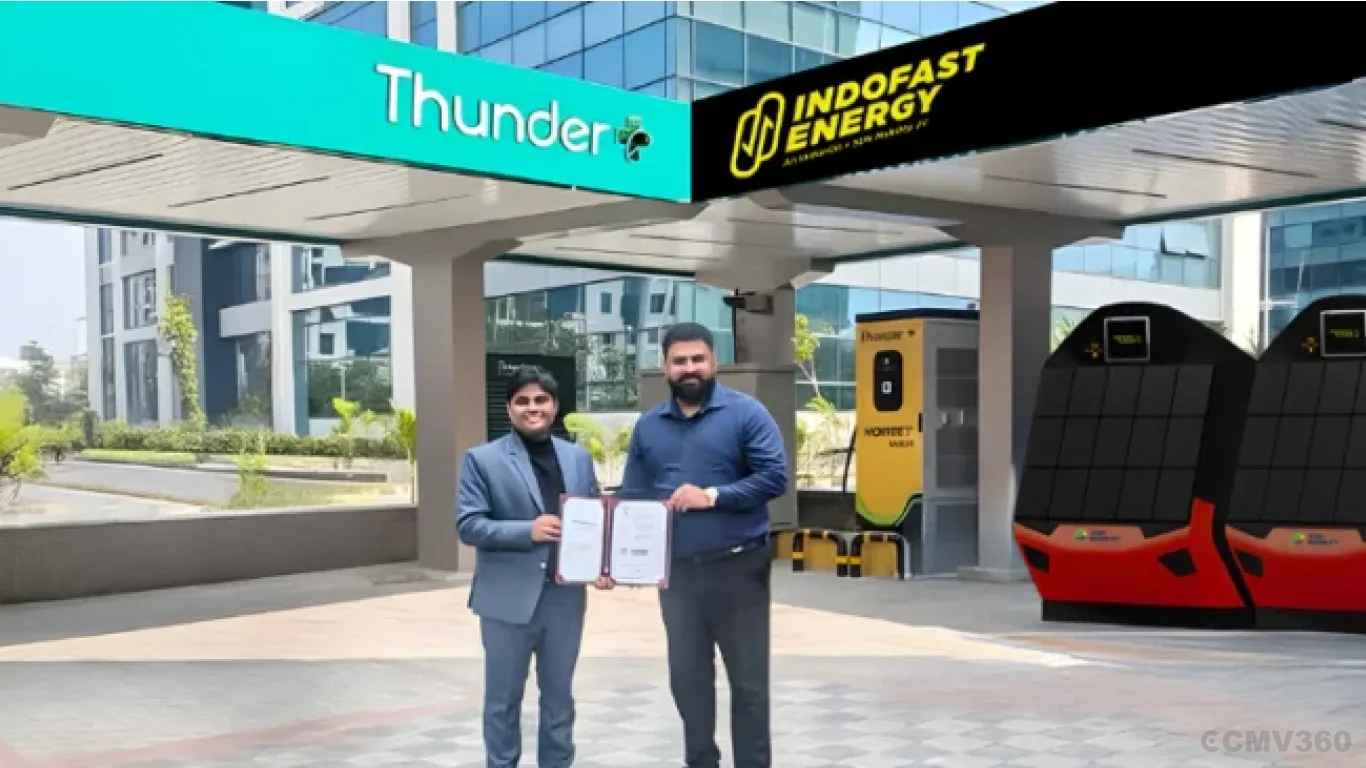
EV infrastructure providers ThunderPlus and Indofast Energy have announced a strategic partnership to develop integrated electric vehicle energy hubs across India, signalling a pivotal step in consolidating charging and battery-swapping solutions under one roof.
The collaboration is designed to expand the country’s EV support ecosystem by offering seamless access to fast charging and rapid battery exchanges at shared locations, beginning with Hyderabad, Bengaluru and the Delhi-NCR region before extending to more than 250 sites nationwide. Under the agreement, Indofast Energy will co-locate its battery-swapping stations within existing and new ThunderPlus charging hubs by utilising shared space, power infrastructure and operational frameworks. This co-location model aims to address two common pain points for EV users — range anxiety and downtime — by enabling drivers of two-wheelers, three-wheelers and commercial fleet vehicles to choose between rapid charging or quick swaps at the same energy hub. According to leaders from both firms, the partnership moves beyond the traditional dichotomy of “charging versus swapping,” instead prioritising consumer convenience and uptime for vehicles operating in both personal and professional segments.
The combined offerings could significantly reduce idle time for EV operators and support last-mile logistics fleets that depend on rapid turnaround times to stay competitive. Industry analysts say that such integrated energy hubs could play a critical role in accelerating EV adoption in India by improving the overall user experience — one of the most cited barriers to electric mobility adoption. In urban and peri-urban environments alike, infrastructure clustering offers practical benefits: drivers can find multiple energy services at a single point, reducing detours, simplifying recharge logistics and increasing confidence in public-charging networks. The initial rollout phase focuses on major cities with dense EV activity, harnessing ThunderPlus’s established fast-charging footprint and Indofast’s expanding swapping network. The long-term aim is to develop more than 250 dual-service locations nationwide, covering key transport corridors and dense urban clusters where EV penetration is growing rapidly.
From a policy and planning perspective, this development aligns with broader national goals around sustainable mobility, decarbonisation and smart urban infrastructure. Effective energy hub deployments can reduce tailpipe emissions, support gig-economy drivers and small business fleets in electrifying operations, and enable a smoother transition away from fossil-fuel dependence. Integrating charging and swapping at scale may also catalyse private investment in EV infrastructure, an essential component of a resilient, low-carbon transport network. Yet experts caution that successful implementation will require careful attention to grid capacity, land use planning and interoperability standards across hardware and software platforms. As these hubs proliferate, ensuring reliability, affordability and convenience will be essential to attract and retain EV users — especially in markets beyond India’s largest urban centres.
For policymakers and industry stakeholders, the ThunderPlus–Indofast partnership illustrates how collaborative infrastructure models can help bridge gaps in India’s electric mobility ecosystem and drive sustainable urban transformation.