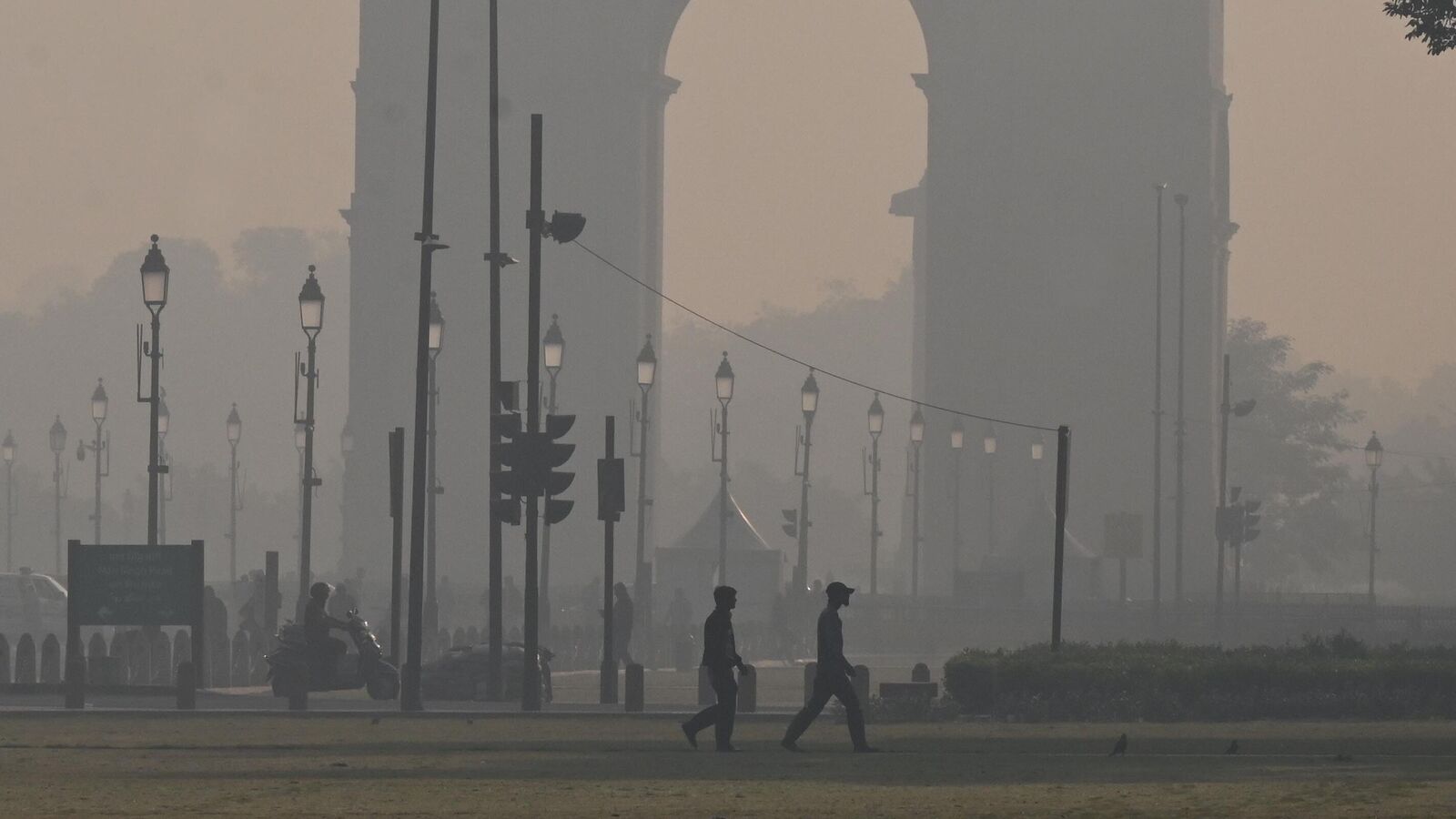
Air Quality Improvement Leads To GRAP Stage II Rollback
The Commission for Air Quality Management (CAQM) has revoked Stage II restrictions under the Graded Response Action Plan (GRAP) across the Delhi-National Capital Region (NCR) in response to a measurable improvement in the region’s Air Quality Index (AQI).
After weeks of sustained readings in the poor category, recent meteorological shifts including light rain, stronger winds and higher daytime temperatures have eased pollutant concentrations sufficiently for authorities to recalibrate immediate controls. Under the revised decision, which took effect on Wednesday afternoon, actions triggered under GRAP Stage II — implemented in October 2025 to address ‘very poor’ air quality — have been withdrawn. However, baseline preventive measures under Stage I will remain in force across the region, emphasising dust mitigation at construction sites, mechanised sweeping, waste management and routine checks on polluting vehicles and industries. Agencies across Delhi, Noida, Gurgaon and surrounding districts have been directed to maintain active surveillance and preparedness to reinstate stricter response levels should conditions deteriorate again.
AQI readings from the Central Pollution Control Board (CPCB) showed a steady improvement on Wednesday, with values in Delhi recorded around 214 by late afternoon — within the ‘poor’ range but noticeably lower than recent peaks which repeatedly crossed 250. Forecasts from the India Meteorological Department (IMD) and the Indian Institute of Tropical Meteorology (IITM) suggest that dispersion conditions may persist in the near term, supporting a broader trend toward moderate air quality if weather conditions remain favourable. The rollback of Stage II curbs offers temporary relief to residents and key economic sectors that were impacted by heightened restrictions. Under the now-suspended measures, authorities had previously tightened activities to reduce emissions — including limiting certain construction operations and imposing heightened compliance checks. With those lifted, transport operators, builders and commercial establishments are expected to experience less operational friction, even as core Stage I mandates continue to encourage better emission control and preventive action.
Urban and environmental planners caution that the recent air quality improvement owes more to short-term meteorological conditions than to lasting reductions in emission sources. Evidence from repeated cycles of pollution spikes and regulatory tightening indicates that without sustained structural changes — such as broader vehicle electrification, industrial emission controls and regional agricultural burn-season management — air quality gains may remain fragile and easily reversed during periods of atmospheric stagnation. The CAQM’s decision reflects an attempt to balance public health priorities with socio-economic considerations, retaining core pollution control directives while easing emergency-level curbs. By maintaining vigilance and calibrated response levels, regulators aim to prevent backsliding while managing the broader impacts of air quality policy on urban livelihoods.
Going forward, the emphasis among policymakers and environmental bodies will likely be on strengthening long-term interventions that reduce baseline emissions — a challenge pivotal to achieving sustained improvements in air quality for Delhi NCR’s tens of millions of residents.