


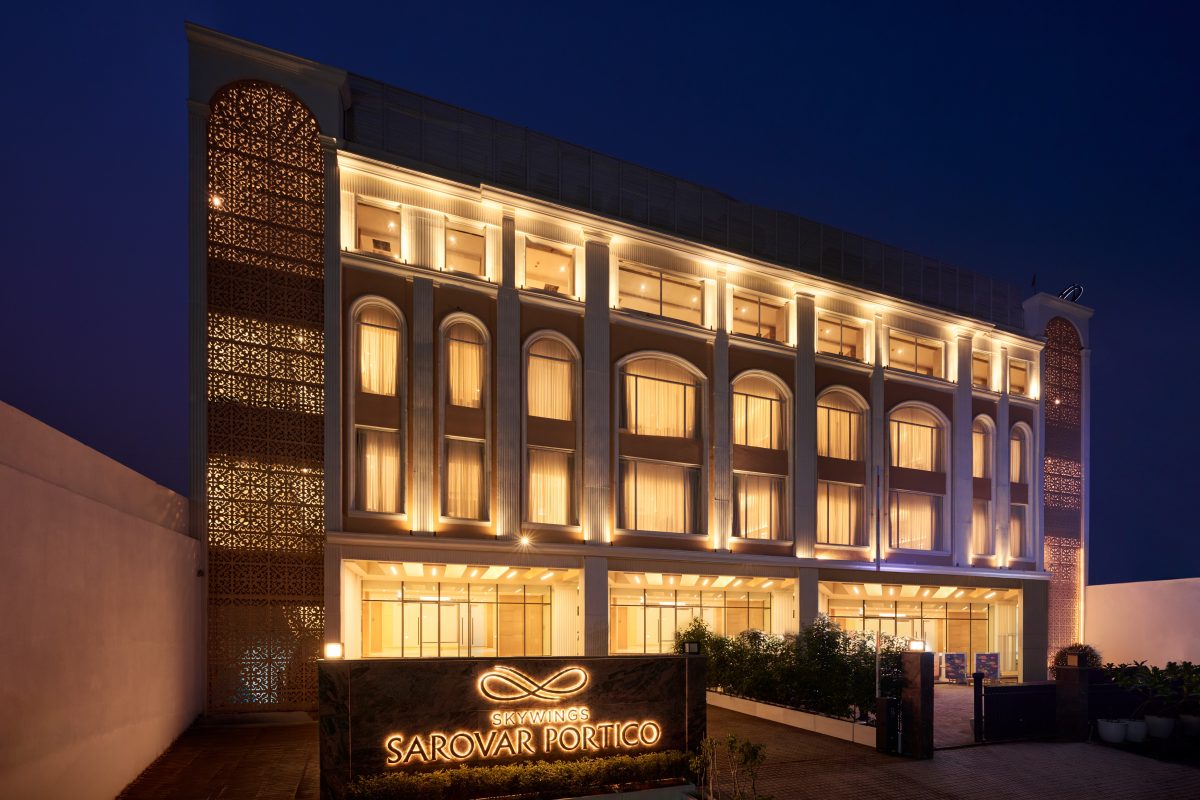
Sarovar Hotels has launched two new properties in North India — a 90-room hotel in Jaipur and a 70-room facility in Mathura — underscoring its strategic push into culturally driven leisure and pilgrimage markets.
The expansion reflects mounting confidence among hospitality operators in demand beyond India’s major metros, as travel patterns increasingly favour destinations with heritage, spiritual appeal and events-driven tourism. The first of the new openings, a 90-key Golden Tulip in Kukas on Jaipur’s periphery, adds multi-purpose capacity for both leisure travellers and events business. The property features all-day dining, wellness amenities, banqueting spaces for up to 600 guests and recreational facilities — positioning it to attract destination weddings, corporate conferences and festival-linked influxes. In nearby Uttar Pradesh, Skywings Sarovar Portico Mathura brings 70 rooms into play with banquet facilities for up to 400 attendees, targeting spiritual tourism and regional leisure markets centred around one of India’s most frequented pilgrimage cities.
Mathura draws millions of visitors annually due to its sacred geography, making quality hospitality crucial to local tourism ecosystems. These openings reinforce Sarovar’s strategy of diversifying its presence across tier-I and tier-II/III locations with balanced portfolios that serve business travel, weddings, spiritual journeys and cultural tourism. The group now operates approximately 150 hotels across 87 destinations in India, Nepal and Africa — a footprint that reflects incremental growth through brand partnerships and market-specific positioning. Hospitality analysts say the new properties tap into demand trends reshaping India’s lodging markets. Leisure travel, weddings and MICE (meetings, incentives, conferences and exhibitions) segments have proved resilient amid broader economic headwinds, with customers showing a preference for experiential stays outside traditional metro hubs.
Jaipur’s heritage appeal and Mathura’s year-round pilgrimage draw present diverse revenue streams for operators willing to invest in integrated service offerings. Real estate and urban development experts point out that hotel expansions often catalyse broader economic activity in host cities. In Jaipur, additional upscale capacity near heritage-tourism corridors can support inbound tourism flows, stimulate local supply chains and boost employment in services and allied sectors. Similarly, in pilgrimage towns like Mathura, contemporary hotel facilities can elevate visitor experience and extend average stay durations, translating into higher local spending. Still, there are operational challenges. Mid-market and upscale hotels must navigate rising input costs — including labour, utilities and digital booking commissions — while differentiating through service quality and localisation. Strategic marketing that aligns with regional tourism calendars and sustainable operations could help tilt returns favourably, especially in markets where seasonal flux is pronounced.
The new openings also fit into a broader narrative of India’s hospitality sector recalibrating towards diversified demand sources. While urban business travel remains foundational, leisure and cultural tourism are increasingly important pillars. With its expanded footprint in Jaipur and Mathura, Sarovar Hotels is positioning itself to capture this evolving mix of traveller segments — a move that may buoy competitiveness amid intensifying brand proliferation across India’s lodging landscape.
Also Read: Novotel Jaipur Boosts Commercial Leadership Team
Sarovar Expands Hotel Portfolio In Jaipur Mathura
