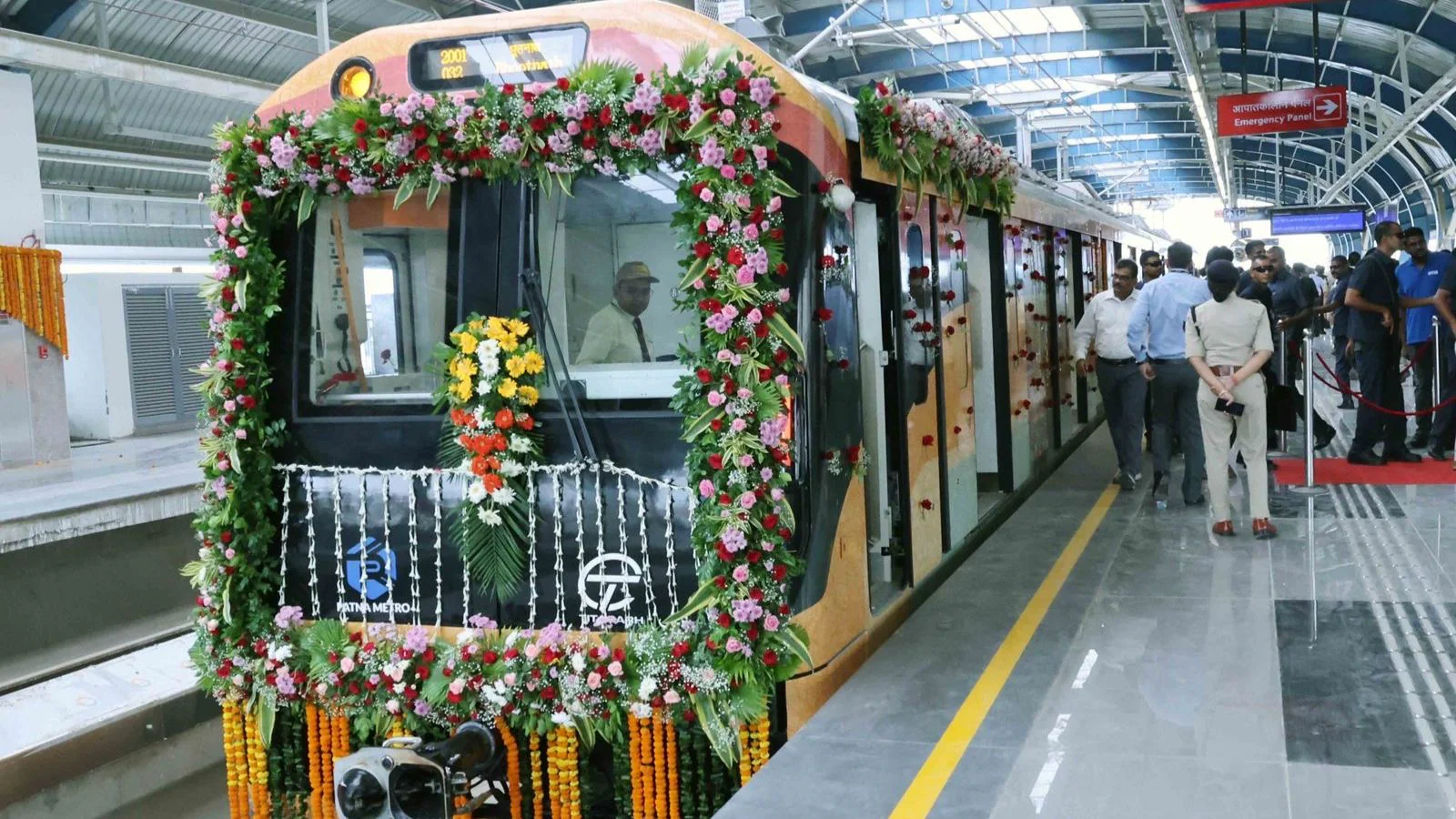
Patna’s rapid transit network is poised for its next expansion phase, with the metropolitan rail system expected to extend services to the Malahi Pakadi corridor following a final fire safety inspection that clears key technical hurdles.
This development marks a pivotal moment in the capital’s ambitions to modernise urban transport and reduce road congestion, as the metro moves beyond its initial priority corridor into underserved eastern districts. The extension will encompass five stations beyond the currently operational stretch between the Patliputra Bus Terminal and central zones, unlocking a more comprehensive 6.5 km corridor when fully commissioned. Local transport authorities indicate that the completion of final safety checks — including fire safeguards, signalling integration and emergency response systems — precedes opening dates likely before quarter-end. While the specific inauguration timeline awaits formal certification from the Commissioner of Metro Railway Safety, the progression reflects months of systematic inspections, including electrical and infrastructure tests by national regulators earlier in the year.
These layered safety validations are crucial not only to operational readiness but also to public confidence in mass transit reliability. Urban mobility experts highlight that the metro’s eastward expansion responds to chronic traffic pressure in sectors such as Malahi Pakadi and Khemnichak, where road networks currently struggle to accommodate commuter volumes. Introducing rapid rail access in these zones could significantly shorten travel times, shift commuter patterns away from polluting road vehicles and improve accessibility to employment and education hubs. The extended corridor’s anticipated impact extends beyond transportation metrics. Economists and real estate analysts point out that major transit infrastructure tends to catalyse localized market growth along station precincts — often increasing land values and stimulating demand for mixed-use development. However, they caution that such growth must be matched with inclusive planning and regulatory oversight to ensure equitable access to benefits across socio-economic groups.
This is especially relevant in cities like Patna, where informal economies and peripheral settlements risk being left behind without proactive urban policy alignment. Environmental sustainability advocates note that shifting commuters from private vehicles to electric mass transit can contribute to lower urban emissions and better air quality — a key consideration for Indian cities facing mounting climate and health pressures. The Patna Metro’s planned integration with ancillary transport modes, such as buses and future ‘water metro’ services on the Ganges, further underscores the need for multimodal connectivity strategies that reduce carbon footprints while enhancing mobility equity. Challenges remain. Urban planners emphasise that sustained operational success hinges on robust safety culture, ongoing maintenance, and community engagement to build ridership trust. Patrons’ experiences during initial operations — including managing service disruptions and maintaining station environments — will influence public perceptions and long-term adoption.
As inspections conclude and Patna Metro prepares to bring the next section online, what unfolds next will test the region’s ability to scale infrastructure responsibly, marrying technological progress with climate resilience and inclusive urban growth.