Mumbai Metro Line 14 Faces Tender Shortfall And Debt Plan
In the aftermath of a fatal structural collapse on an under-construction metro corridor in Mulund earlier this month, authorities in the Mumbai metropolitan region have ordered comprehensive safety inspections across all ongoing metro construction sites to safeguard commuters and restore public confidence in one of India’s most ambitious urban transit programmes. The move underscores the critical need to tighten quality standards and governance as metropolitan rail networks rapidly expand amid intensifying travel demand.
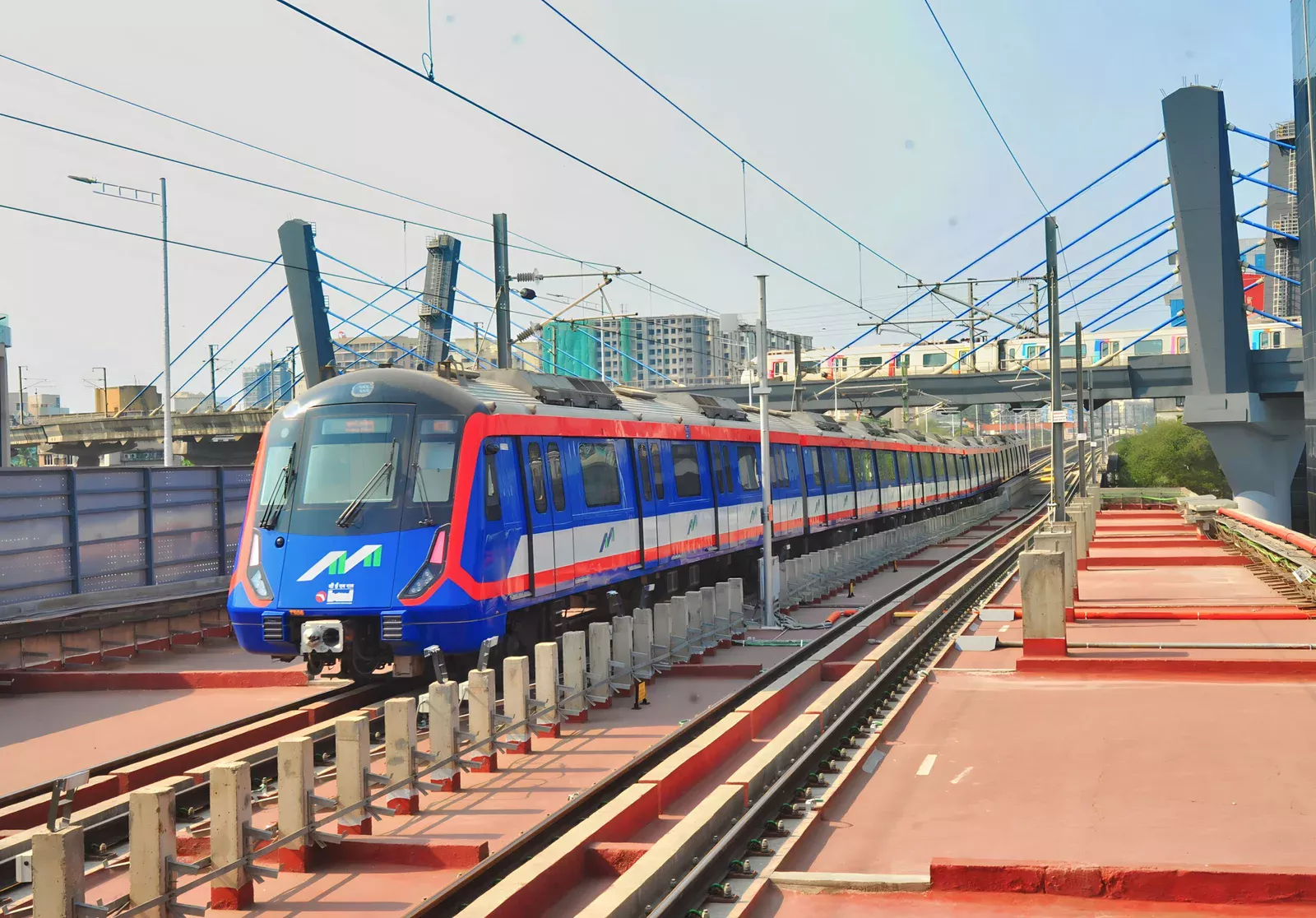
On 14 February, a section of a parapet from an elevated viaduct on Metro Line 4 fell onto vehicles in Mulund, resulting in one death and multiple injuries. The incident prompted the Mumbai Metropolitan Region Development Authority (MMRDA) to suspend further construction on the affected corridor segment and escalate structural audits across all major corridors under development. So far, nearly 20 km of the 36 km Metro Line 4 route has been reviewed, with no immediate anomalies reported in the portion inspected; remaining stretches will now undergo detailed structural verification.MMRDA has deployed multidisciplinary teams of structural engineers and safety specialists to conduct audits on all elevated metro lines currently under construction, including Lines 2B, 5, 6, 7A, 9 Phase-2 and 12. These reviews focus on critical parameters such as reinforcement integrity, segment alignment, interlocking mechanisms, support structures and adherence to approved design and construction protocols. Operational corridors already in service — such as Lines 2A and 7 — continue to undergo routine maintenance checks and are not part of the current audit.
Industry experts describe the audit initiative as a necessary checks-and-balances response to systemic pressures faced by large-scale transport infrastructure projects. Amid complex geotechnical conditions and dense urban environments, metro construction in Mumbai demands meticulous oversight; any lapse in quality assurance can have serious safety ramifications for workers and road users. Public authorities have highlighted that over 150 safety-related showcause notices had been issued to the general consultant on the Metro 4 project prior to the recent mishap, indicating longstanding concerns around compliance with internal protocols and statutory safety measures.The broader thrust toward enhanced safety oversight is also intended to strengthen accountability mechanisms within the MMRDA’s infrastructure delivery framework. Following the Mulund incident, the agency terminated the contract of the general consultant group linked to the project and launched departmental inquiries, including disciplinary action against supervisory engineers. These steps reflect a growing emphasis on enforcing standards across complex megaprojects where multiple contractors and consultants interact.
Urban planners and transit advocates note that Mumbai’s metro expansion — which is among the largest in the country — is a cornerstone of sustainable mobility plans aimed at reducing surface congestion, cutting emissions and improving regional connectivity. However, such plans depend on robust safety cultures, disciplined project management and transparent reporting structures. If properly implemented, the current safety review could help reaffirm public trust, mitigate risk and guide future construction practices across Maharashtra’s rapidly growing rail infrastructure network.
Looking ahead, authorities said that work will only resume on audited sections once detailed reports are complete and recommended corrective measures are implemented, placing structural safety at the forefront of the city’s urban rail ambitions.