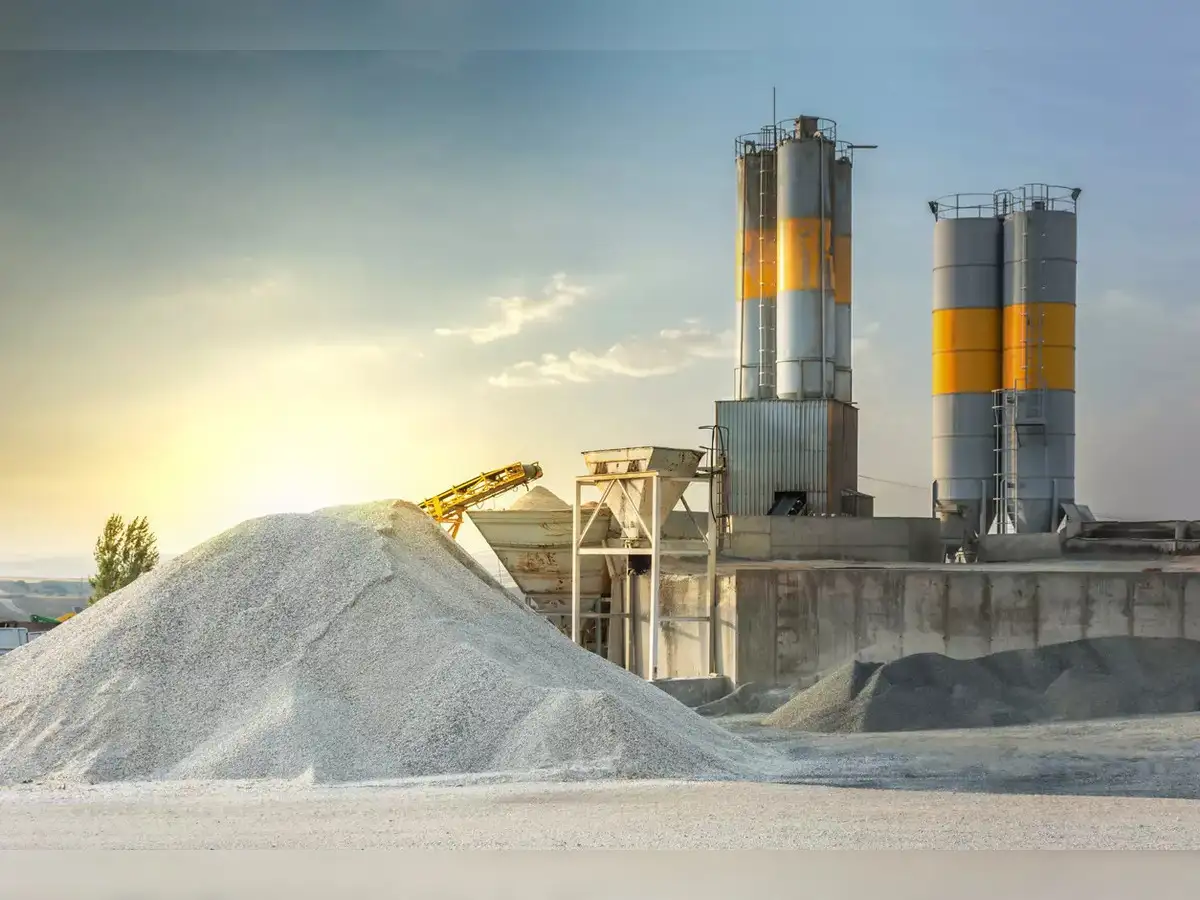
Cement Industry Shifts Toward Low Carbon Materials
As concerns over climate change and embodied carbon crescendo across the global construction industry, developers, material scientists, and cement manufacturers are accelerating the adoption of sustainable alternatives to conventional cement and concrete — reshaping one of the built environment’s most carbon-intensive supply chains. Traditional Portland cement production alone accounts for roughly 8 % of global CO₂ emissions, prompting a rethink of how future cities are built.
The drive toward greener materials comes at a pivotal moment for India’s booming infrastructure pipeline. Cement and concrete underpin vast housing, transport and industrial projects across the country, but their environmental footprint — from clinker heat to limestone calcination — has triggered innovation throughout the value chain.Among the promising substitutes gaining traction is Limestone Calcined Clay Cement (LC3), which blends calcined clay with limestone to reduce clinker content and cut production emissions by up to around 40 % compared with traditional cement. Its performance and cost profile make it suitable for residential housing and public infrastructure alike — a fact underscored by its pioneering use in large-scale projects such as the new Noida International Airport.
Similarly, geopolymer concrete, engineered from industrial by-products like fly ash and ground granulated blast furnace slag (GGBS), is emerging as a low-carbon alternative that can slash carbon emissions by an estimated 80 % when deployed in place of ordinary concrete. Research teams in India have demonstrated its performance and reduced water requirements, opening doors to applications ranging from industrial floors to rapid-response infrastructure.The sustainability shift also extends to innovative bio-composites. Materials such as hempcrete — a blend of hemp fibre and lime — offer natural insulation and low embodied energy, while recycled aggregates derived from demolished concrete reduce reliance on virgin resources and support circular economy principles.
Construction innovation is not limited to cement substitutes alone. Magnesium-based cements chemically absorb CO₂ during curing, potentially delivering carbon-neutral or even carbon-negative structural binders. Other emerging solutions include self-healing concrete that uses bacteria to autonomously seal micro-cracks, extending lifecycle performance and lowering maintenance emissions.The transition toward greener materials is partly driven by market forces as well as regulatory expectations. Green building certifications such as the Indian Green Building Council (IGBC) and LEED increasingly reward lower-carbon materials, nudging developers and contractors to select alternatives that support environmental targets. Investment growth in India’s green building materials segment also reflects this momentum, with the market expected to expand substantially over the next decade.
However, industry observers emphasise that widespread adoption faces several hurdles. Codified building standards are still evolving to integrate many of these novel materials, and performance validation across diverse climatic and load-bearing contexts remains a work in progress. Moreover, supply chain readiness — from local availability of industrial by-products to skilled mix design expertise — will be pivotal to scaling these solutions.As policymakers, builders, and material scientists coalesce around sustainable alternatives, the future of cement and concrete in India’s construction sector appears to be defined not just by strength and durability but by carbon credentials and climate resilience. The choices made today in material selection could set the blueprint for greener, healthier cities tomorrow.