Nagpur Expands Special Train Services For Connectivity
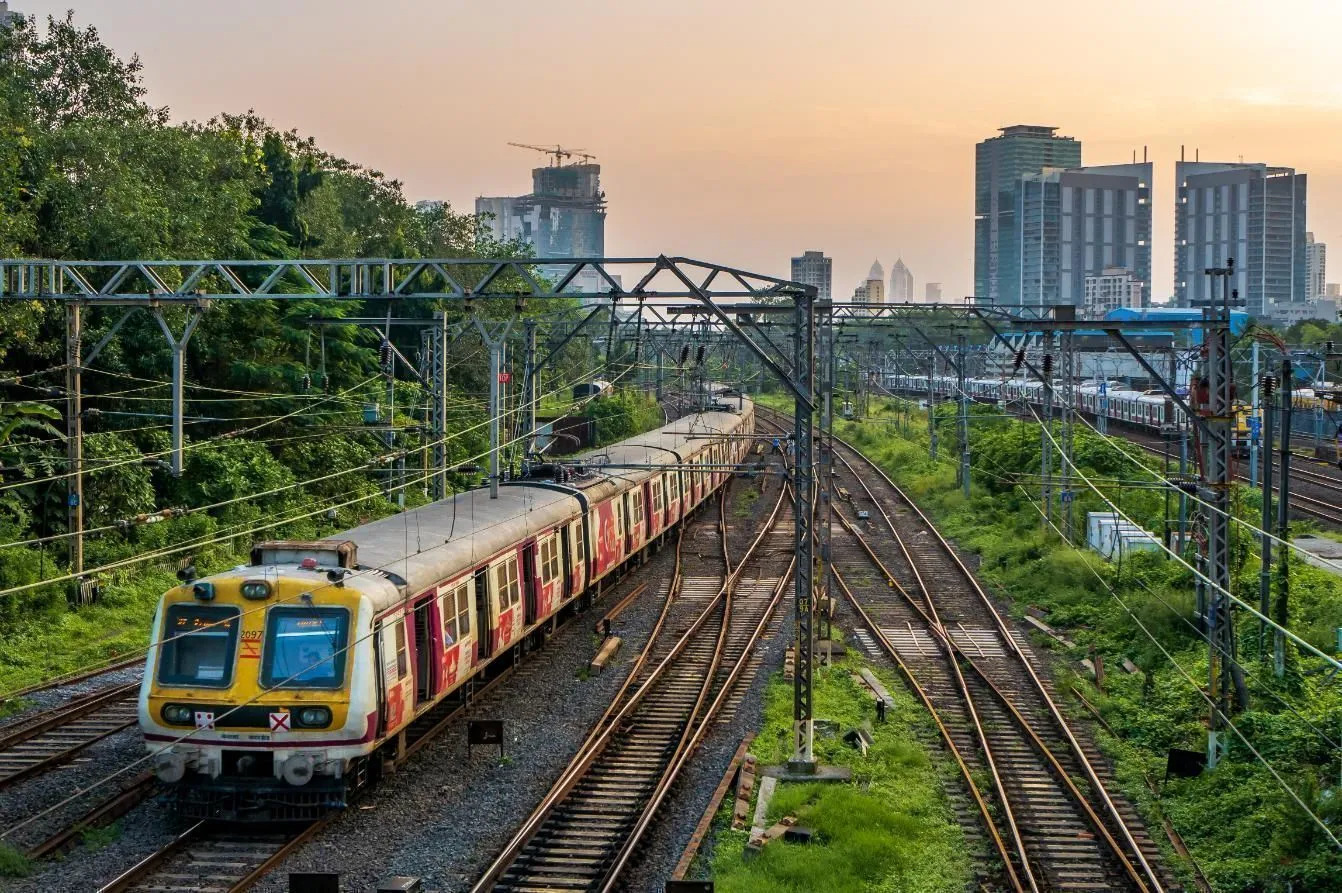
Chennai is bracing for significant disruption in suburban rail services as the Southern Railway initiates a temporary reduction of Electric Multiple Unit (EMU) trains along the Chennai Beach–Tambaram–Chengalpattu corridor. The move, scheduled from 20 February to 5 April, coincides with structural redevelopment work at Egmore station, where two key platforms will be offline to accommodate construction of a new roof canopy and deep foundation columns. Urban transport experts warn that the decision, affecting an estimated 3–5 lakh daily commuters, could strain alternative modes of transit, highlighting the need for integrated planning between rail authorities and city transport agencies.
The redeployment of services to express-line platforms has led to a 20% reduction in daily EMU trains, dropping from 204 to 164, with the most severe impact on the core Chennai Beach–Tambaram section. Down services in this stretch will fall from 47 to 25, while up services will decline from 47 to 17, challenging peak-hour capacity. City transport authorities, including the Metropolitan Transport Corporation (MTC) and Chennai Unified Metropolitan Transport Authority (CUMTA), have indicated that the short notice has complicated contingency planning. Officials note that last-minute reductions leave limited time to adjust bus operations or deploy feeder services, placing the burden of commuter management on the municipal network. Urban planners emphasise that such disruptions underscore a broader challenge in ensuring resilient, people-first infrastructure during major urban redevelopment projects.
To partially mitigate congestion, some EMU trains will operate as short-run services between Egmore and Tambaram, while full-route services will be reduced. However, the railway division has highlighted technical constraints in maintaining pre-reduction frequency or running shuttle services between Chennai Beach and Egmore, pointing to limitations in platform capacity and signalling systems. Analysts suggest that this scenario exemplifies the tension between urban infrastructure expansion and daily commuter mobility, especially in rapidly growing metropolitan corridors where mass transit is a lifeline for economic activity.
From an economic perspective, the temporary cut in EMU frequency could ripple across Chennai’s urban economy, affecting daily labour flows, commercial activity, and access to education hubs along the suburban corridor. Sustainable city advocates argue that coordinating rail redevelopment with multimodal transport planning is critical to limit unintended social and economic impacts. Lessons from this episode may inform future station modernisation projects, emphasising proactive stakeholder engagement and phased operational planning to maintain mobility while advancing infrastructure goals. As the city adapts to the 45-day service adjustment, authorities and transport experts stress the need for real-time commuter updates, flexible service integration, and robust contingency strategies to safeguard urban mobility without compromising long-term redevelopment objectives.