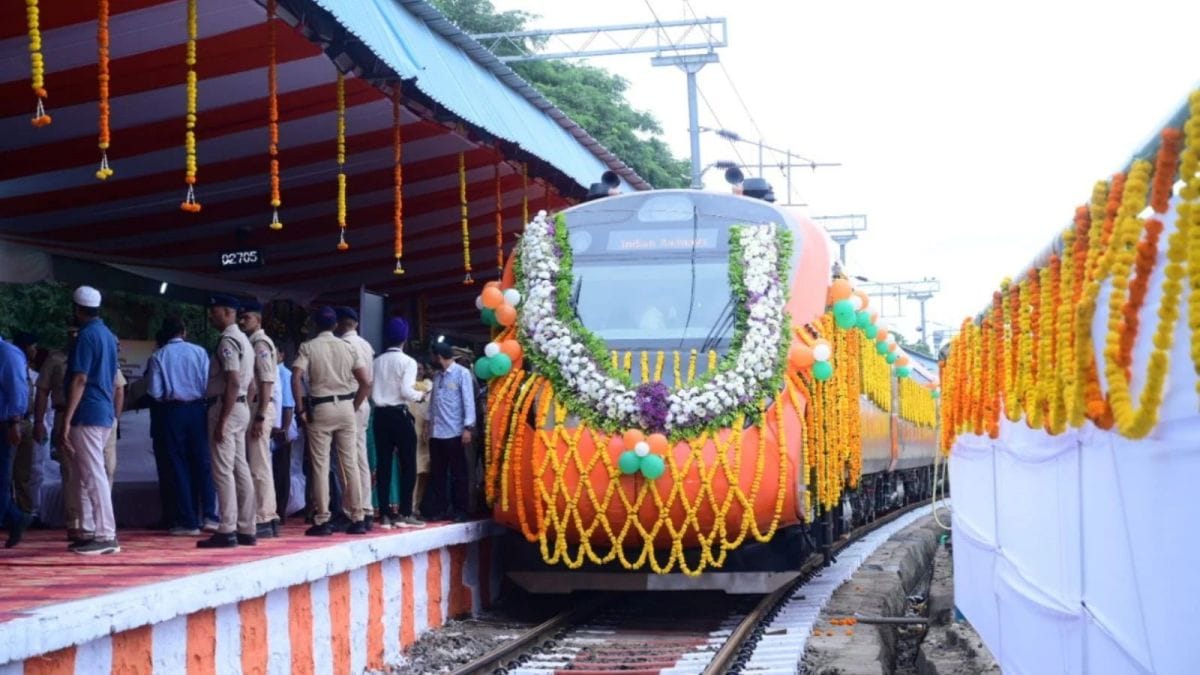
A one-time long-distance rail service linking Bengaluru and the national capital will operate later this month, as South Western Railway moves to manage rising inter-city passenger demand. The additional Bengaluru Delhi special train is expected to ease peak congestion on one of the country’s busiest north–south corridors while reinforcing rail’s role in low-carbon mobility.
According to railway officials, the service will depart from Yeshwantpur in Bengaluru late on February 25 and reach Hazrat Nizamuddin in Delhi on the afternoon of February 27. The return leg is scheduled to leave Delhi on March 1 and arrive back in Bengaluru the following evening. The train will operate with 23 coaches and pass through key junctions including Kacheguda, improving access for travellers across Karnataka, Telangana and parts of central India. Railway planners indicate that the temporary deployment is aimed at clearing seasonal passenger backlogs driven by academic schedules, employment mobility and business travel between southern technology hubs and northern administrative and commercial centres. The Bengaluru Delhi special train offers additional berth capacity at a time when conventional services on the corridor are reporting high occupancy.
Urban transport analysts say such supplementary services, even when operated as one-trip specials, highlight the sustained pressure on inter-regional connectivity in India’s fast-urbanising economy. Bengaluru’s expanding knowledge sector and Delhi’s policy and services ecosystem generate frequent two-way travel by professionals, students and migrant workers. Ensuring sufficient rail capacity is therefore not merely a logistical decision but a reflection of broader labour mobility and economic integration. From a sustainability perspective, expanding rail options carries implications beyond passenger convenience. Long-distance trains remain significantly more energy-efficient per passenger kilometre compared to road or air alternatives. By deploying additional rail capacity rather than allowing excess demand to spill over into higher-emission modes, transport authorities support climate-resilient urban systems aligned with India’s net-zero ambitions.
The 23-coach configuration also underscores operational flexibility within the existing network. Rather than permanent infrastructure expansion, railways can deploy rolling stock strategically during high-demand windows. However, mobility experts note that recurring spikes in demand may warrant longer-term planning, including timetable rationalisation, station capacity upgrades and multimodal integration at terminals such as Yeshwantpur and Hazrat Nizamuddin. For real estate and infrastructure observers, improved and predictable connectivity between Bengaluru and Delhi strengthens business travel confidence and supports investment flows between the two metropolitan regions.
Reliable inter-city transport links influence corporate location decisions, student migration patterns and even housing demand near major stations. While the current service is limited to a single round trip, transport officials suggest that passenger response will inform future operational decisions. As Indian cities continue to expand, calibrated rail interventions like the Bengaluru Delhi special train may become an increasingly common tool to balance growth, accessibility and environmental responsibility.
South Western Railway Adds Bengaluru Delhi Special