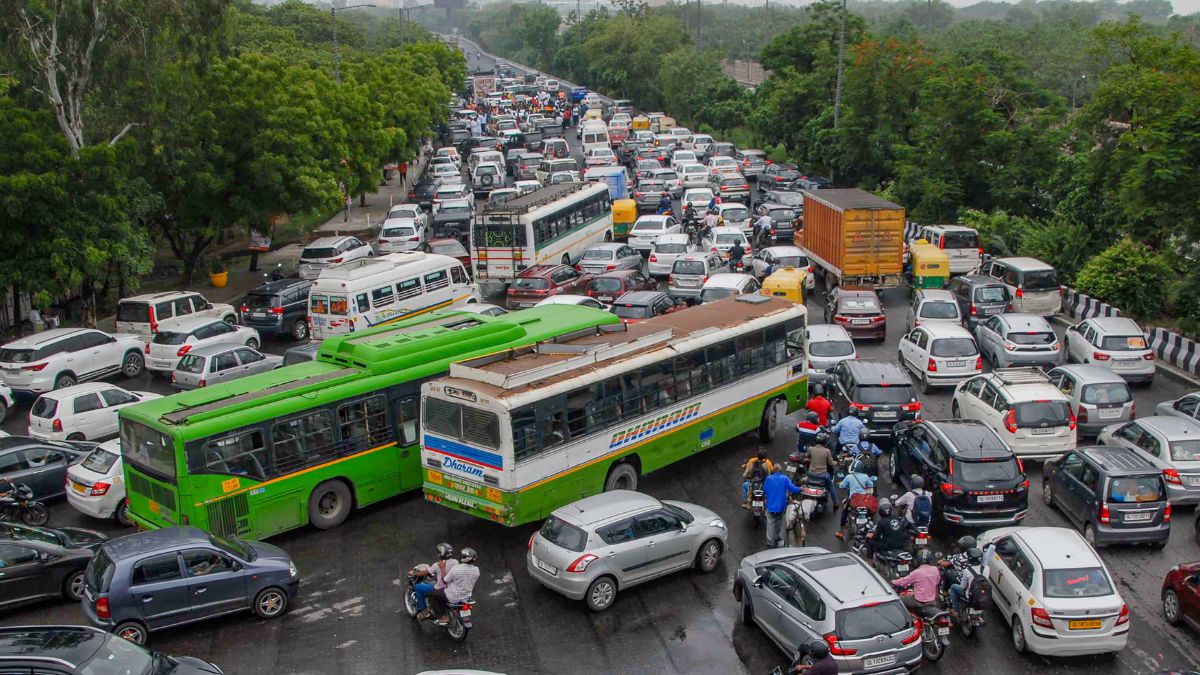
Noida Authority Centralises Public Health And Traffic Roles
Noida — In a significant shift to simplify civic administration and tighten accountability, the Noida Authority has disbanded its standalone public health and traffic departments, folding their functions into the zonal work circle structure that oversees civil infrastructure across the city.
The restructuring, announced this week, is directly linked to public safety concerns following a recent trench-related drowning and reflects broader efforts to enhance field-level governance and urban risk management. The decision means there will no longer be separate wings handling traffic planning, sanitation, sewer systems, drain maintenance and related public health oversight. Instead, two senior general managers (civil) will oversee clusters of work circles that now carry responsibility for both traditional civil works and functions previously managed by the traffic and public health cells. Officials say this aims to consolidate decision-making and eliminate unclear jurisdiction that hindered rapid response in emergencies. Under the new arrangement, work circles 1–5 and 6–10 will be led by designated general managers responsible for comprehensive civic tasks — from excavation safety and road restoration to drain desilting and traffic-related civil infrastructure.
By centralising duties within geographically bounded units, the authority expects clearer lines of accountability and faster resolution of safety and maintenance issues that have dogged the city’s rapid expansion. Urban governance experts note that separate departmental silos often struggle with overlapping mandates in fast-growing cities like Noida, where infrastructure works occur frequently and interact with everyday mobility and sanitation. Fragmented responsibility can lead to delays in approvals, coordination challenges and a diffusion of accountability, all of which complicate responses to issues such as open trenches, waterlogging and traffic congestion. The organisational change follows intense public scrutiny after a 27-year-old man died when his vehicle slid into a water-filled unbarricaded trench in Sector 150, triggering questions about excavation safety, barricading practices and civic enforcement.
Residents pointed to unclear accountability among civic wings as a factor in delayed action on hazardous sites, prompting the authority to reassess how core functions are aligned with field units. City planners emphasise that integrated field management can also strengthen long-term urban resilience. With climate variability increasing the frequency of heavy rains and infrastructure stress, streamlined coordination among sanitation, drainage and traffic control systems is essential to limit service disruptions and safety hazards. That said, the success of the reform will hinge on robust monitoring systems, clear performance metrics and continuous stakeholder engagement. Critics caution that merging departments must be accompanied by adequate technical capacity, training and resource allocation to avoid overburdening work circles. Ensuring consistent standards across all zones — especially in areas with high commuter volumes and commercial activity — will be key to delivering the intended improvements in public safety and civic responsiveness.
If the reorganisation enables quicker completion of road excavations, better barricading compliance and more effective traffic interventions, it could provide a blueprint for other rapidly urbanising districts grappling with similar multi-sector convergence challenges.