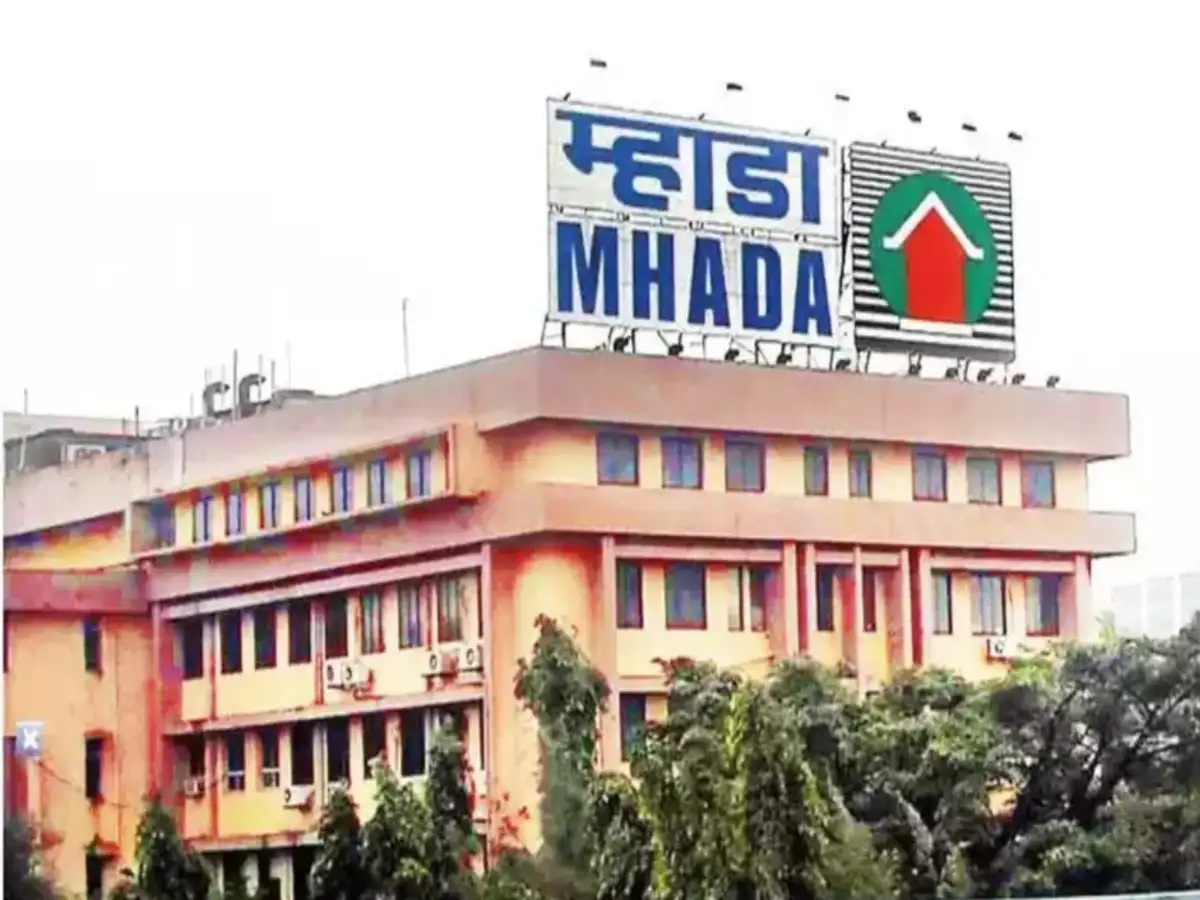
The Maharashtra Housing and Area Development Authority (MHADA) has launched a fresh phase of affordable housing offerings in the city, opening online applications for 118 residential flats on a First‑Come, First‑Served (FCFS) basis from February 17, 2026. The move signals a shift in strategy for clearing unsold housing stock and responding to growing demand for accessible homeownership within one of India’s most expensive real estate markets.
The FCFS mechanism — replacing traditional lottery draws — began online registration at 11 am through MHADA’s official portal. Prices for the units vary significantly, with homes ranging from approximately ₹38 lakh at the lower end to over ₹8 crore for premium South Mumbai addresses. Flattening previously unsold inventory through direct bookings aims to streamline allocation, reduce bureaucratic hurdles and improve transparency in a market where supply is chronically tight.The flats are distributed across diverse urban precincts, spanning suburban localities such as Kandivali, Malad and Powai, as well as central corridors including Byculla, Lower Parel and Sion. Such variety reflects efforts to broaden homeownership access across income segments and geographic zones, from mature mid‑town neighbourhoods to rapidly developing suburbs.
Housing policy experts note that this iteration of the FCFS model could help address some long‑standing systemic frictions. MHADA’s traditional lottery system — while intended to ensure fairness — has often resulted in large unsold buffers as applicants fail to complete documentation or resign after winning a draw, leaving valuable housing stock dormant. The FCFS approach gives priority to those ready and willing to transact immediately, potentially reducing delays and administrative costs.Urban planners caution, however, that digitising housing allocation must be complemented by inclusive support mechanisms. Without adequate assistance for digitally marginalized applicants — especially older citizens or lower‑income households — the FCFS process could inadvertently favour digitally adept buyers who can act quickly online. Ensuring equitable access, through dedicated helpdesks or on‑the‑ground support, will be key to broadening the scheme’s reach.
Once registration is complete, applicants must pay the required security deposit and application fee online. The next phase — including flat selection — is slated to begin in early March, after which successful buyers must confirm their units by paying 10 per cent of the sale price within 48 hours. MHADA will then issue allotment and, subsequently, possession letters upon full payment and stamp duty completion.The timing of this FCFS launch intersects with broader housing pressure in Mumbai, where soaring property prices and limited land availability have made homeownership increasingly out of reach for many residents. By releasing previously unsold flats under a transparent, digital model, MHADA seeks to chip away at this shortage while enabling a more efficient market clearance.
Looking ahead, how effectively MHADA integrates FCFS offerings with long‑term housing stock planning and digital inclusivity measures will influence whether this approach becomes a scalable model for unlocking affordable homes in the Mumbai Metropolitan Region.