Thane Infrastructure Boost May Ease Ghodbunder Traffic
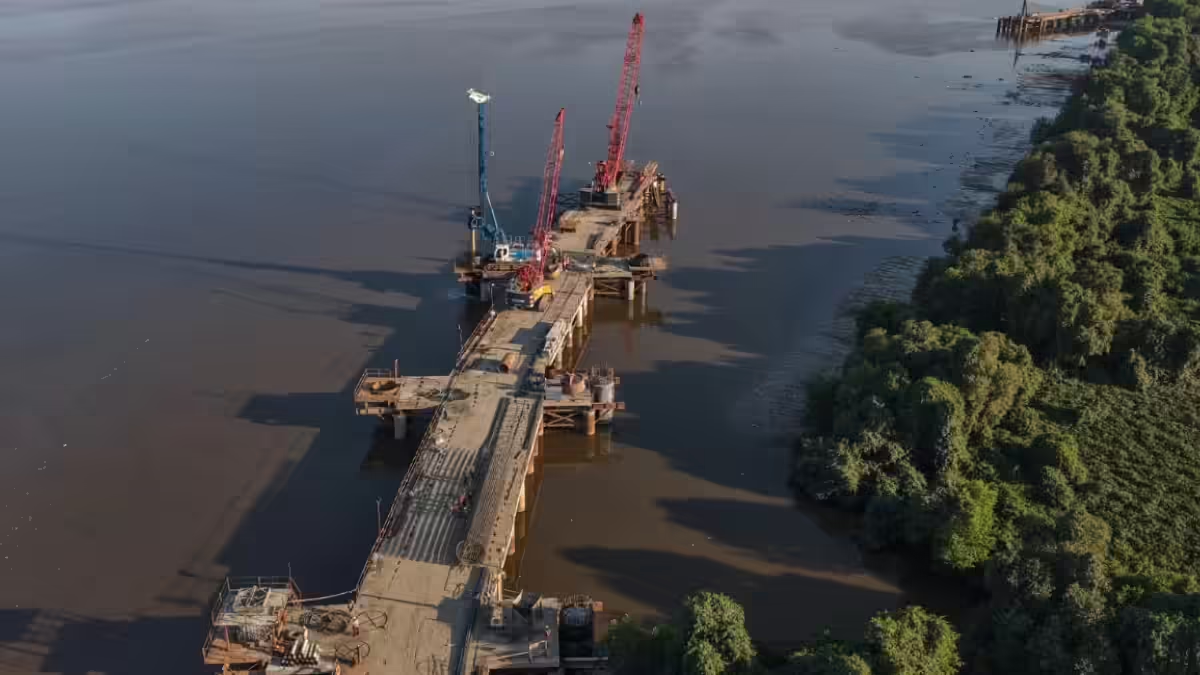
A flagship mobility project aimed at decongesting one of the Mumbai Metropolitan Region’s most troublesome transport corridors has crossed a pivotal construction milestone, with over 50% of foundational work completed on the Thane Coastal Road between Balkum and Gaimukh, according to infrastructure sources. The progress highlights fresh momentum in regional planning as authorities balance the demands of expanding urban mobility with environmental and equitable development concerns.
Commissioned by the Mumbai Metropolitan Region Development Authority (MMRDA), the 13.45‑kilometre, six‑lane coastal expressway has been under development as a strategic north–south corridor alongside Thane Creek. Once completed, planners expect it to provide an alternative route to the chronically congested Ghodbunder Road, which has long frustrated commuters and freight traffic due to capacity limitations, mixed traffic flows and ongoing maintenance challenges.Project engineers report that viaduct foundation work — including viaduct piers and sub‑structural elements between Balkum and Gaimukh — is now more than halfway done, setting the stage for accelerated vertical construction in coming months. This transition from groundwork to pier cap and girder assembly marks a key inflection point in the project’s delivery timeline.
Traffic analysts say the importance of the coastal road extends beyond immediate commuter relief. Ghodbunder Road — a principal east–west connector between Thane, Mira‑Bhayandar and the Western Express Highway — consistently registers severe congestion, particularly during peak hours and monsoon seasons when road conditions deteriorate. Its mixed role as a regional freight artery and local commuter route magnifies pressure on the existing transport network.The coastal corridor is designed as a greenfield, elevated access‑controlled route, which allows sustained speeds and reduces surface traffic spillovers into residential and commercial precincts. Long‑term planners also view the project as an enabling infrastructure spine, dovetailing with other regional mobility initiatives such as elevated connectors and future tunnels that are being considered to further disperse traffic loads.
Urban development experts note that while major road corridors are critical for economic flows, the success of such infrastructure rests on multi‑modal integration. Thane’s burgeoning urban footprint encompasses dense residential communities, commercial growth zones and expanding industrial logistics hubs. Integrating the coastal road with mass transit options — including proposed metro extensions and bus rapid transit corridors — could more effectively reduce reliance on single‑occupant vehicles and mitigate emissions.Environmental planners acknowledge that construction near sensitive coastal ecologies requires careful monitoring, especially along Thane Creek’s mangrove belt. Elevated designs aim to limit direct impact on wetlands, but long‑term ecosystem safeguards will hinge on ongoing compliance with environmental management plans and community engagement.
For daily commuters, the coastal road promises tangible relief by redistributing traffic and providing faster, more predictable travel times once fully operational. However, the interim phase of extensive construction means short‑term disruptions and adaptive traffic management will remain a part of Thane’s urban mobility landscape for the next few years.
As the project advances beyond foundational work, municipal and metropolitan planners will likely seek to align operational strategies with broader goals of equitable connectivity, climate‑resilient transport planning and integrated urban growth, ensuring infrastructure investments deliver both mobility and quality‑of‑life dividends across the region.