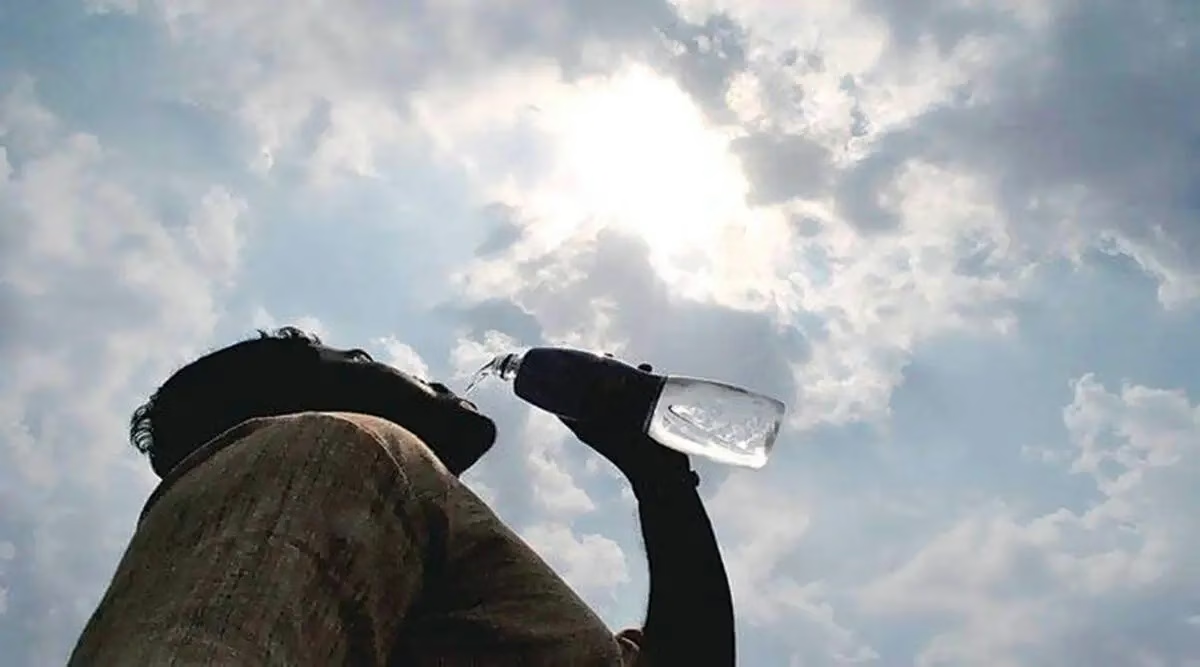
Maharashtra Faces Rising Heat With No Rain Forecast
A fresh temperature alert issued by the India Meteorological Department (IMD) is drawing attention to a persistent rise in heat across Maharashtra, highlighting an early onset of summer‑like conditions in a state still months away from its monsoon season. Forecasts predict continued warm, rain‑free skies over large swathes of the region this week, intensifying existing heat stress for residents and economic activities from agriculture to urban mobility.
According to the latest regional weather models, maximum temperatures in western and central Maharashtra are trending above seasonal averages for mid‑February, with afternoon readings expected in the mid‑30 °C range and minimal cloud cover. Morning minimums are also rising, indicating a broader warming pattern rather than isolated daily spikes.The IMD’s advisory underscores that widespread rainfall is unlikely over the next several days, keeping humidity relatively low and leaving the atmosphere dry across much of the state. Eastern districts and inland cities are forecast to record especially warm afternoons, while the coastal belt will see heat moderated slightly by sea breezes but without precipitation.
Urban planners and climate analysts say this early heat trend carries implications for energy demand, water resources and public health — particularly in dense settlements like Mumbai and Pune where built environments amplify thermal stress. Dry conditions tend to increase reliance on cooling systems, elevating peak electricity demand and exposing infrastructure vulnerabilities in both residential and commercial districts.Farmers in Marathwada and Vidarbha regions are also bracing for hotter conditions during a critical phase of the rabi crop cycle. Warmer days can accelerate soil moisture loss and disrupt sowing or maturation timelines for key staples, affecting yields if irrigation resources are constrained. Sustainable cultivation strategies and careful water budgeting have been urged by agricultural extension bodies.
The absence of rain this late in the winter season reflects broader climatic variability observed across the Indian subcontinent, where shifting atmospheric circulation patterns and localized dry spells have become more frequent in recent years. Climatologists point out that while February heat is not unprecedented, the consistency of above‑normal temperatures could signal early seasonal shifts driven by larger climate trends.For urban residents, the immediate effects are tangible: rising daytime heat elevates commuter discomfort, stresses public transport systems, and increases hydration and shade needs in pedestrian corridors. Heat‑mitigating urban design — such as expanded green cover, reflective roofing and water‑sensitive planning — is gaining renewed urgency as cities confront warmer year‑round baselines.
Looking ahead, weather services will monitor the evolution of this dry spell and its transition into typical pre‑monsoon dynamics. Municipal authorities and state planners are expected to coordinate heat‑action measures and public advisories if temperatures continue to trend upwards, aiming to reduce heat risk while maintaining economic and social mobility across Maharashtra’s sprawling urban‑rural landscape.