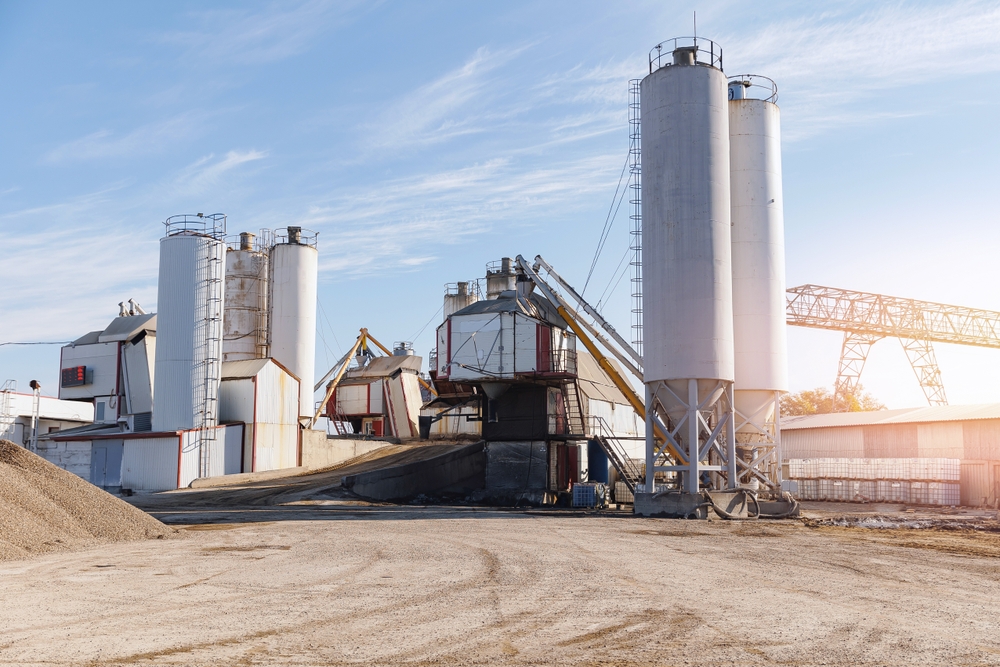
India’s construction materials sector is witnessing a notable shift toward sustainable cement production, as detailed investment blueprints for establishing green cement manufacturing facilities gain traction among industrial stakeholders and infrastructure planners. The renewed focus underscores how climate commitments and urban development needs are reshaping one of the nation’s most carbon-intensive industries.
At the heart of this transition is a growing body of detailed project reports (DPRs) that present economic and technical feasibility analyses for green cement plants targeting commercial operation as early as 2026. These documents map out production capacities of several hundred thousand tonnes per year — sufficient to serve a mix of residential, commercial, and infrastructure sectors — while emphasising how eco-efficient processes can be embedded in facility design.Green cement differentiates itself from traditional Portland cement by substituting clinker with industrial by-products such as fly ash, slag, and silica fume. This raw material mix significantly reduces energy demand and carbon dioxide emissions — an environmental advantage that aligns with India’s pledge to lower greenhouse gas intensity in construction and real estate.
Urban planners and sustainability analysts view this shift as consequential. The built environment contributes a substantial share of urban carbon footprints, with cement production alone accounting for a notable slice of industrial emissions globally. By integrating low-carbon binders into mainstream supply chains, cities can materially reduce embodied carbon in infrastructure and buildings — a priority for zero-carbon roadmaps in Indian metros and tier-II towns alike.Beyond environmental benefits, the economic case for green cement is gaining clarity. Feasibility outlines suggest gross margins of 30–40% and net margins of 12–18%, driven by stable demand in construction and supportive policy environments. Analysts point out that building materials that appeal to green building standards such as LEED or EDGE can command market preference as institutional and corporate developers increasingly integrate sustainability criteria into procurement.
However, scaling production poses challenges. Cement plant promoters must secure reliable supplies of supplementary materials, ensure proximity to consumption hubs to minimise logistics emissions, and meet evolving local and national environmental regulations. Site selection and infrastructure readiness — including rail and port connectivity — will be key to controlling operating costs while meeting delivery timelines.Industry insiders also note that embedding sustainability in plant design — such as advanced emission controls and energy-efficient machinery — can help manufacturers navigate tightening environmental standards without compromising market competitiveness. Strategic partnerships with technology providers and materials research institutes are emerging as critical enablers in this transition.
For Indian cities grappling with rapid urbanisation and climate adaptation challenges, green cement production represents an intersection of economic opportunity and ecological necessity: a manufacturing pivot that could underpin lower-carbon infrastructure, reduce industrial emissions, and support more resilient urban growth patterns.