


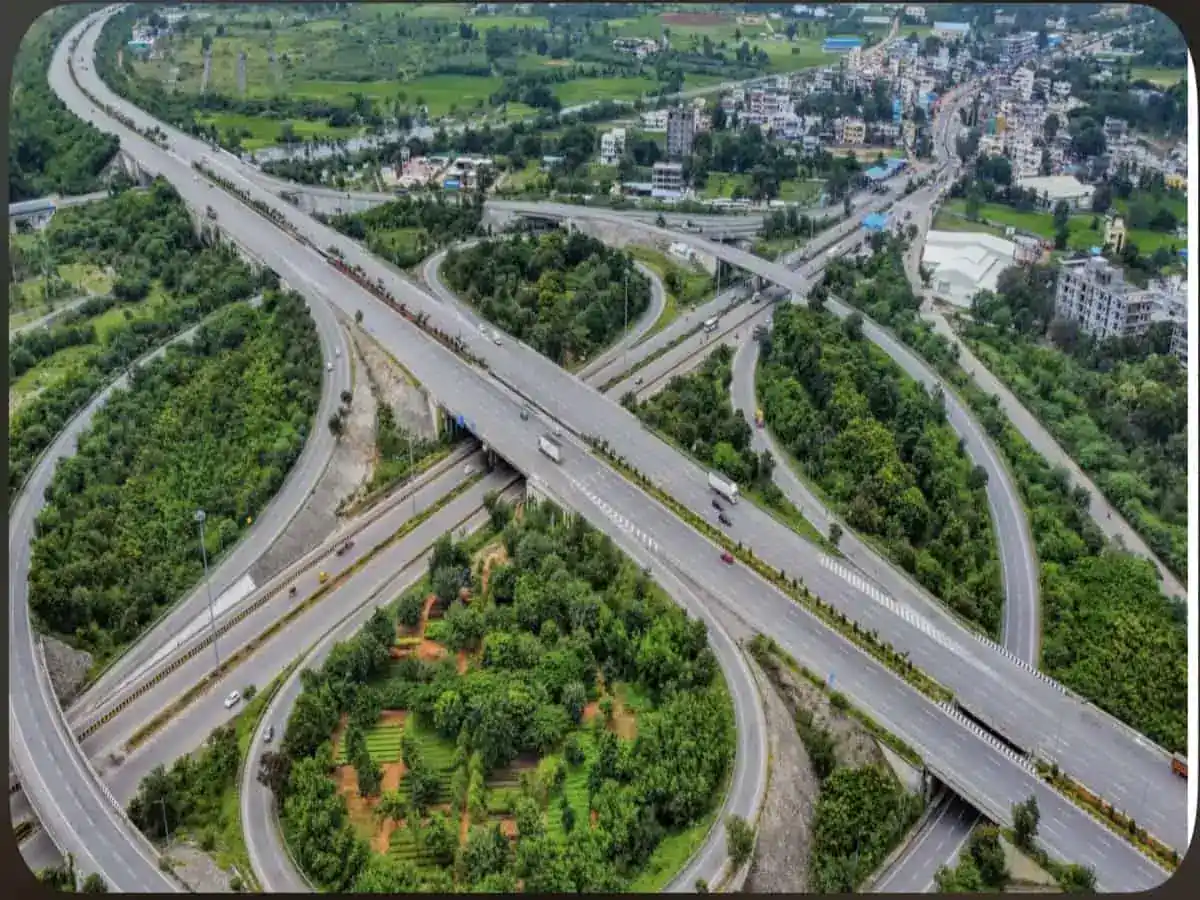
Hyderabad’s urban development authority has drawn up plans to introduce an AI surveillance system along the PVNR Expressway, signalling a technology-led shift in how one of the city’s busiest airport corridors is managed. The move aims to improve road safety, automate enforcement and respond faster to incidents on the 11.6-km elevated stretch linking Mehdipatnam with the international airport.
The proposal centres on deploying an AI surveillance system capable of detecting multiple traffic violations through single-camera technology. Officials say the system will identify speeding, dangerous lane behaviour, wrong-way driving and distracted driving, alongside monitoring stalled vehicles, congestion, low visibility and road obstructions. By automating detection, the authority expects to reduce manual enforcement gaps and improve compliance on a corridor that sees high-speed traffic round the clock.The project, estimated at approximately Rs 7.5 crore, includes five years of operations and maintenance, indicating a long-term commitment rather than a pilot intervention. According to officials familiar with the plan, the appointed agency will be responsible for design, installation and ongoing system management, integrating field hardware with a central command platform.
At the core of the infrastructure are 5MP global shutter cameras designed to cover two lanes with high automatic number plate recognition accuracy. These will be supported by pan-tilt-zoom cameras linked to central servers for real-time monitoring. Radar-enabled speed display units are planned at two points to provide two-way coverage, while variable message display boards will broadcast live alerts, accident warnings and advisory messages through an integrated traffic management system.Urban mobility experts note that elevated expressways such as PVNR are particularly vulnerable to high-speed crashes and sudden pile-ups, especially during adverse weather or poor visibility. An AI surveillance system, when embedded within a responsive enforcement framework, can shorten emergency response times and generate data for evidence-based traffic planning. Such datasets also help authorities redesign risk-prone stretches, adjust signage, and calibrate speed limits.
Beyond enforcement, the initiative reflects a broader trend in Indian metropolitan regions toward intelligent transport systems that align with climate-resilient urban planning. Efficient traffic flow reduces idling, lowers fuel consumption and cuts emissions — an important consideration for fast-growing cities grappling with air quality and mobility equity. Airport corridors, in particular, are economic lifelines connecting business districts to global gateways; disruptions here carry commercial costs.However, planners caution that technology alone cannot substitute for road design improvements and consistent policing. Clear lane markings, adequate lighting, public awareness and strict prosecution mechanisms must accompany digital systems to deliver sustained safety outcomes.
If implemented within the proposed five-month timeline, the AI surveillance system could become a template for other high-speed corridors across Hyderabad, setting the stage for data-driven, safer and more accountable urban mobility management.
Also Read:Udaipur Rail Upgrade Boosts Ahmedabad Link
