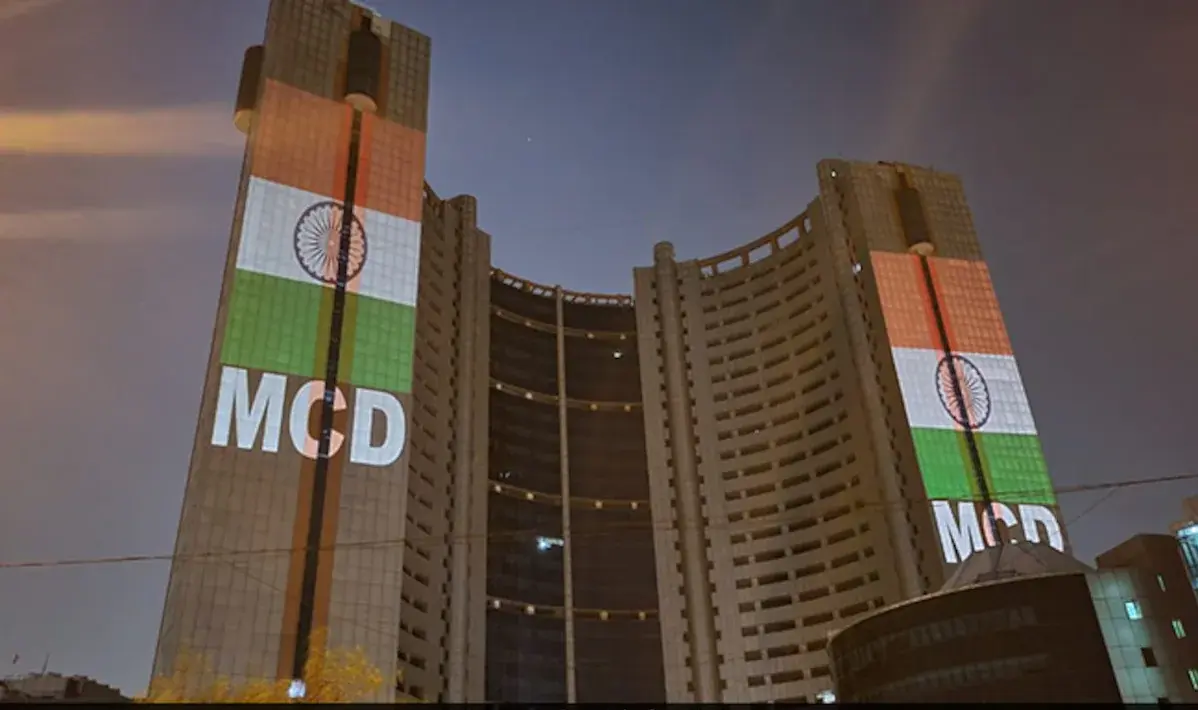
Delhi has earmarked ₹1,330 crore for the Municipal Corporation of Delhi (MCD) to accelerate repairs and strengthening of local roads in 2026–27, signalling a renewed push to address surface deterioration and curb dust emissions across neighbourhood streets. The funding, routed through the Chief Minister’s Development Fund, is expected to support nearly 1,000 kilometres of works under the civic body’s jurisdiction.
The allocation focuses on roads less than 60 feet wide, which fall under the MCD’s mandate and form the bulk of the capital’s internal street network. These stretches, often located in residential colonies and mixed-use markets, play a critical role in last-mile connectivity but are prone to potholes, surface erosion and construction-related dust. Senior officials indicated that the Delhi MCD road upgrade programme will include resurfacing, structural strengthening and improved drainage to reduce waterlogging during the monsoon. Authorities have set a deadline of 30 September 2026 for completion of major works, aiming to mitigate the spike in particulate pollution typically recorded in the post-monsoon months.
Urban planners say road dust is a significant contributor to Delhi’s seasonal air quality challenges. While vehicular emissions and industrial sources receive wider attention, poorly maintained road surfaces and unpaved shoulders can resuspend fine particles, especially during dry conditions. “Upgrading local streets is not only a mobility intervention but also an environmental one,” said a senior urban transport analyst. The Delhi MCD road upgrade is also expected to have economic implications. Better internal roads improve access for emergency services, delivery networks and small businesses that rely on predictable local mobility. For residential areas, smoother streets enhance walkability and reduce maintenance costs for vehicles.
However, infrastructure experts caution that execution will determine impact. Transparent tendering, quality control and real-time monitoring are essential to prevent premature deterioration. They also stress the importance of integrating road works with stormwater management, underground utility planning and pedestrian infrastructure to avoid repeated digging and fragmented spending.
Alongside road improvements, the government has approved a separate sanitation modernisation programme valued at ₹2,300 crore over a ten-year operational cycle.
Together, these measures reflect an effort to align municipal services with broader urban resilience goals combining cleaner streets with stronger civic systems.
As Delhi expands and densifies, maintaining its vast network of neighbourhood roads becomes as critical as building new expressways or metro corridors. If delivered effectively, the Delhi MCD road upgrade could reduce dust exposure, enhance daily mobility and strengthen the capital’s foundational infrastructure — outcomes that directly shape public health and urban productivity.
Delhi Allocates 1330 Crore For MCD Roads