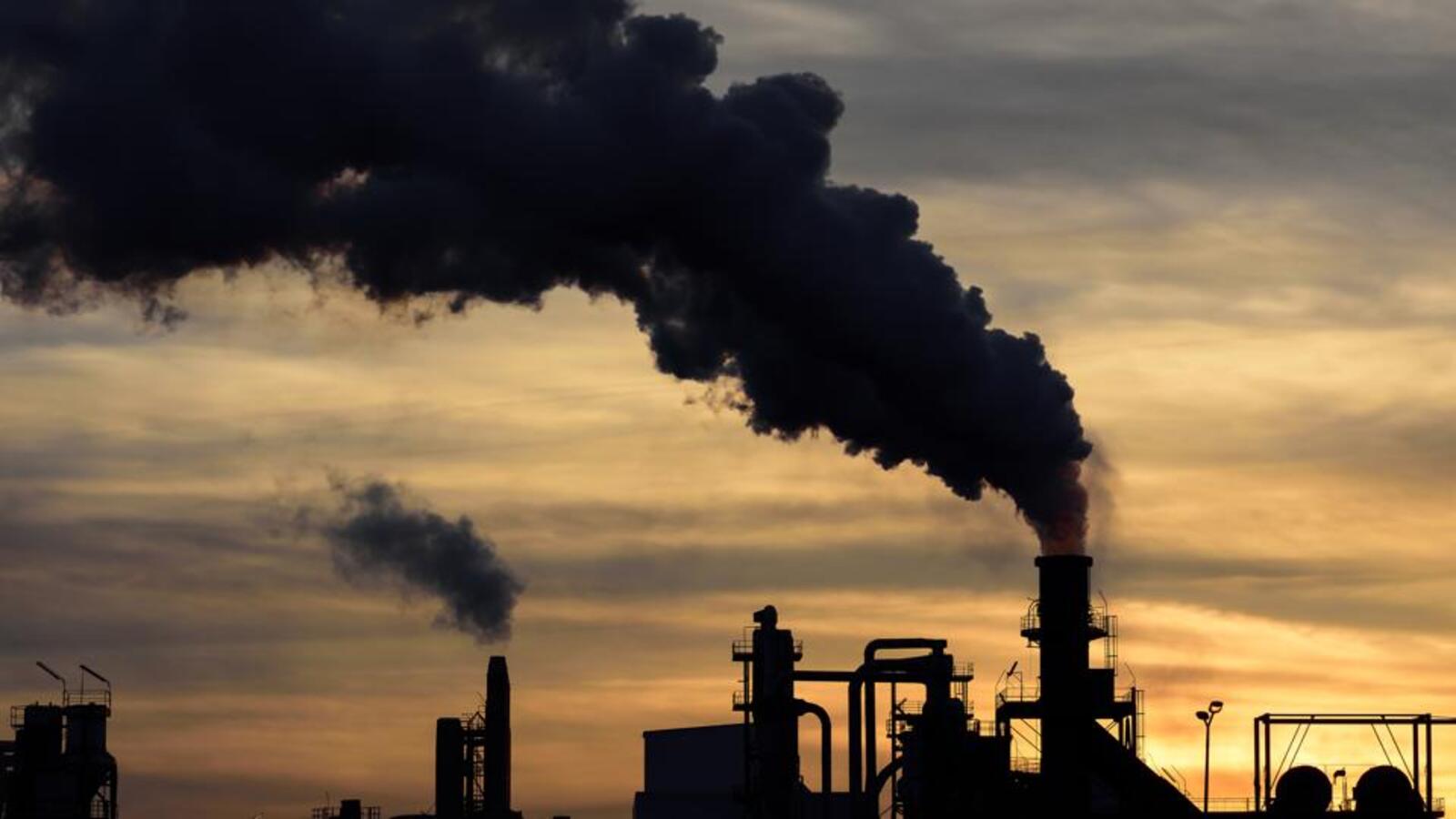
Indore — The Madhya Pradesh Pollution Control Board (MPPCB) has issued formal notices to dozens of industrial and commercial establishments in and around Indore for operating without legally mandated environmental consent, reinforcing regulatory expectations for clean production and environmental accountability in the city’s industrial belt.
Non-compliant units have been given strict timelines to regularise their permits or face closure and electricity disconnection — a move that signals heightened enforcement momentum in the region. The MPPCB’s action follows directions from the Madhya Pradesh High Court in a suo motu petition last December, which tasked the board with ensuring that all facilities engaged in potentially polluting activities possess valid consent to establish and operate. Notices were served to 43 establishments spanning sectors including food processing, chemicals, packaging, fabric treatment, and other light industrial categories.
Under India’s environmental regulatory framework, industrial and commercial units must obtain consent under Section 25 of the Water (Prevention and Control of Pollution) Act, 1974 and Section 21 of the Air (Prevention and Control of Pollution) Act, 1981 before commencing operations. These consents are designed to ensure that wastewater discharge, emissions, and other environmental impacts adhere to defined standards to protect air, water and soil quality. Failure to secure or renew consent constitutes a regulatory breach with potential legal and economic consequences. In a statement, MPPCB’s regional enforcement office indicated that units failing to comply within seven days of notice issuance could be subject to coercive measures, including forced closure and disconnection of electricity supply by the local distribution utility — a critical enforcement lever tied to operational continuity. Details of defaulting units have been shared with the district administration and power supply company for coordination of subsequent actions.
Additionally, eight larger or medium-scale industries that hold earlier consents but have reportedly violated specific conditions attached to their approvals have been directed to submit fresh applications for renewal and clarify compliance by the same deadline. This dual track of enforcement — addressing both unlicensed operations and conditional breaches — reflects a more granular regulatory approach oriented to environmental risk. Environmental compliance enforcement is gaining currency in Indian industrial hubs as courts and regulators seek to align economic activity with the imperatives of sustainable development. Urban planners note that Indore’s industrial expansion must be balanced with environmental stewardship to maintain air and water quality, particularly as the city seeks to integrate low-carbon and climate-resilient practices into its industrial policy frameworks. Non-compliance not only undermines environmental quality but can also invite liabilities under national environmental standards and affect community wellbeing.
City stakeholders have expressed mixed reactions. Some industry representatives voice concerns over short compliance windows and potential disruptions to production, urging phased support and clearer guidance. Regulatory officials, for their part, argue that predictable enforcement and transparent timelines can foster a level playing field and encourage cleaner industrial practices. Compliance with environmental consent norms also contributes to broader sustainability goals, such as reducing industrial pollution loads on urban waterways and mitigating air quality impacts in densely populated zones. For workers and nearby communities, improved enforcement can translate into healthier living conditions and greater trust in governance systems.
As the deadline for compliance nears, the interaction between regulatory enforcement, industrial adaptation and civic expectations will shape Indore’s environmental governance narrative — one that seeks to balance economic activity with ecological protection.