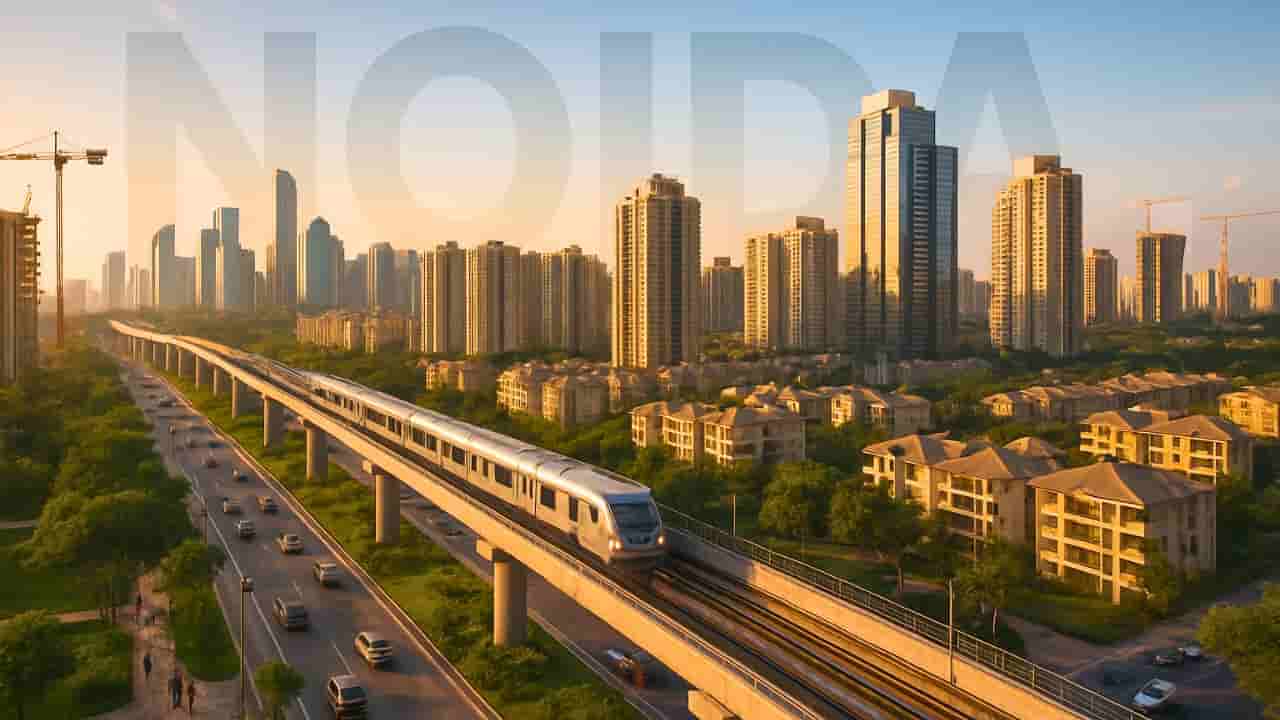
Noida & Ghaziabad — The residential real estate market in the Noida-Ghaziabad sub-region of the National Capital Region (NCR) is experiencing a notable uptick, with average housing prices rising sharply and demand in the luxury segment gaining fresh momentum.
Industry analysts attribute this expansion to sustained investor confidence, infrastructure upgrades and shifting buyer preferences that are reshaping local property dynamics. Property price indices across NCR showed an annual increase of approximately 24 per cent in housing values during the July–September 2025 quarter, outpacing other major urban markets in India and reflecting robust demand across segments. This surge has been particularly evident in high-end homes, where premium offerings are not only retaining value but also attracting buyers with higher disposable incomes and aspirations for space, amenities and connectivity.
In Noida and Ghaziabad, the luxury and premium residential segments are key drivers of price appreciation. These micro-markets benefit from proximity to major transport corridors, expanding metro networks and a pipeline of commercial and institutional development that enhances liveability and capital value. New townships and master-planned communities with integrated amenities are drawing interest from both end-users and investors, who see long-term value in strategically located addresses. Urban economists note that infrastructure remains a fundamental determinant of property valuations. Major connectivity projects — including expressway enhancements, metro extensions and the anticipated operationalisation of the Noida International Airport in Jewar — are lifting expectations for future economic activity and residential demand. Properties near transit nodes, arterial roads and upcoming employment hubs are commanding premium valuations, a trend consistent with wider patterns where improved mobility shortens commute times and attracts residential investment.
Despite rising prices, the market structure is evolving unevenly. While luxury and premium homes are driving headline growth, affordability constraints persist for mid-income buyers. Residential listings and market discussions suggest that entry-level options in core zones are becoming scarcer, pushing some prospective buyers towards peripheral sectors or alternative housing models. This trend raises concerns about equitable access to housing in rapidly urbanising urban corridors. Real estate developers in both cities have responded by tailoring product mixes to shifting preferences. A noticeable tilt toward larger floor plans, enhanced amenities and gated-community features reflects changing lifestyle priorities post-pandemic, where space, quality and security are high on buyer checklists. The balance between speculative investment and genuine end-user demand continues to shape project launches and sales velocity.
Market watchers also flag that rental markets in Noida and Ghaziabad have felt the ripple effects of price escalation. As homeownership costs rise, rent growth has followed, particularly in well-connected sectors with corporate presence and strong office-to-home linkages. Analysts expect this trend to persist as employers resume hybrid or full-time office operations, pushing some tenants to prioritise proximity over cost. Looking ahead, sustainability and inclusive development will be critical as planners balance density, infrastructure capacity and environmental considerations. Integrated urban plans that align transportation upgrades, public amenities and green space with housing supply can temper structural imbalances and enhance long-term liveability.
For buyers, investors and policymakers alike, the unfolding real estate landscape in Noida and Ghaziabad offers both opportunities and challenges. Transparent pricing, robust infrastructure delivery and demand-responsive housing strategies will be pivotal in guiding the next phase of growth in this dynamic segment of NCR’s urban economy.