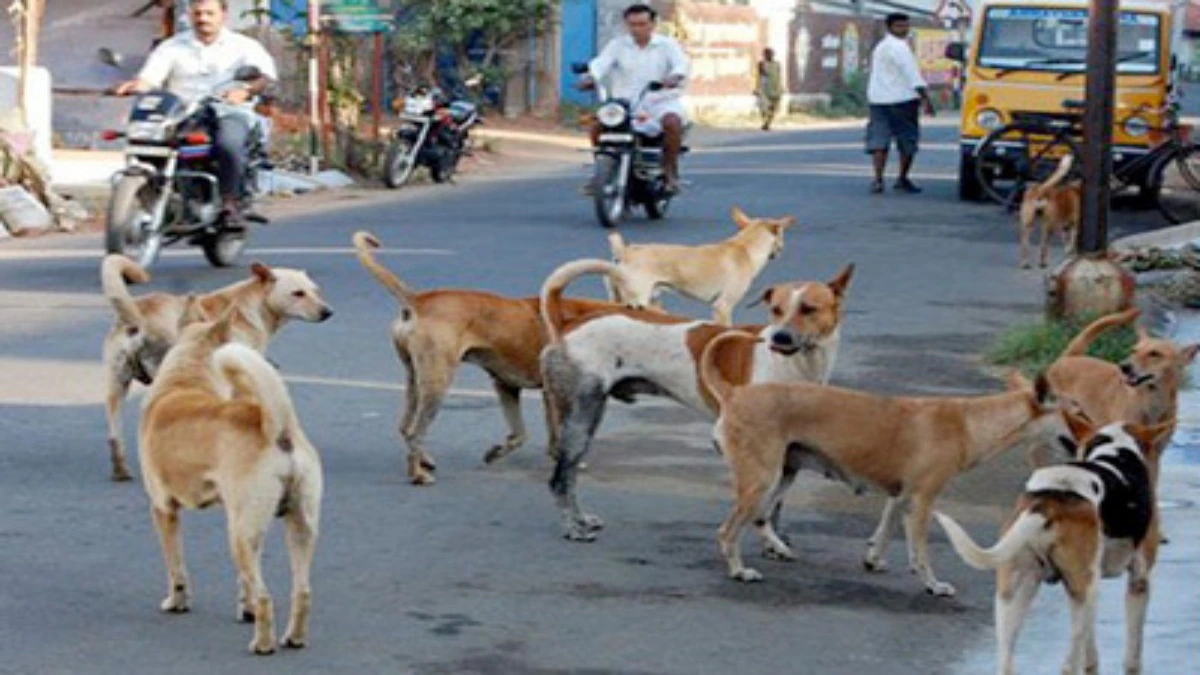
Thane Launches Rabies Free Drive To Protect Citizens
Noida — The Greater Noida Industrial Development Authority (GNIDA) has directed residential associations and community volunteers to compile detailed data on stray dog populations and bite incidents across the city’s sectors, as part of a broader effort to curb rising public safety risks associated with unmonitored canine activity.
The initiative aims to strengthen urban animal management frameworks by embedding local reporting into official response planning. Under the latest guidelines, Resident Welfare Associations (RWAs), Apartment Owners’ Associations (AOAs), society management teams and recognised animal feeders are required to survey their localities and submit information on the number of community animals, their sterilisation and vaccination status, feeding locations and records of reported bites or aggressive behaviour. The collected data will feed into a central GNIDA database, enabling authorities to better allocate sterilisation drives, vaccination campaigns and targeted awareness outreach. City officials say the directive responds to concerns about public safety and community cohesion as dog bite reports in the larger National Capital Region have climbed in recent years.
In neighbouring districts, government health data shows animal bite cases — particularly those involving stray dogs — have risen substantially, prompting municipal bodies to identify hotspots and expand sterilisation programmes. “The reality of rapid urban growth is that human and animal habitats increasingly overlap,” said a senior urban health policy expert. “Unless we build systematic, community-centred reporting and response mechanisms, we risk reactive enforcement that neither protects residents nor ensures animal welfare.” Experts emphasise that data-driven strategies can improve service delivery while enabling humane approaches under the Animal Birth Control (ABC) framework. The directive reflects a shift from intermittent action toward structured monitoring, aligning with Supreme Court attention on stray dog management and its impact on public spaces such as schools, hospitals, transport hubs and markets.
Recent judicial guidance has underscored the need for municipalities to manage dog populations through sterilisation, vaccination and relocation in high-risk zones, as opposed to ad hoc removal. For residents, the expanded data collection mandate also highlights the delicate balance between community compassion and civic safety. Groups that feed or care for stray dogs welcome inclusive planning but stress that clear protocols and designated feeding points are essential to reducing conflict with neighbours. Previous civic guidelines in the region have encouraged associations to negotiate feeding locations that avoid playgrounds, walkways and congregational spaces. Public health advocates note that comprehensive vaccination coverage and population control measures, combined with awareness campaigns on responsible pet ownership, could reduce bite incidents and rabies transmission — a preventable but still persistent threat in urban India. National data suggests that dog bite cases number in the millions annually, with a significant proportion linked to unsterilised strays in densely populated districts.
Operationalising the GNIDA directive will require active collaboration between municipal departments, community groups and animal welfare organisations. Transparent reporting protocols, user-friendly digital submission tools and regular feedback loops are likely prerequisites for sustained participation. If implemented effectively, community-generated data could become a model for other fast-urbanising regions seeking to reconcile humane animal management with public safety and urban liveability.