Maharashtra Hotel Expansion Signals Growing Business Tourism
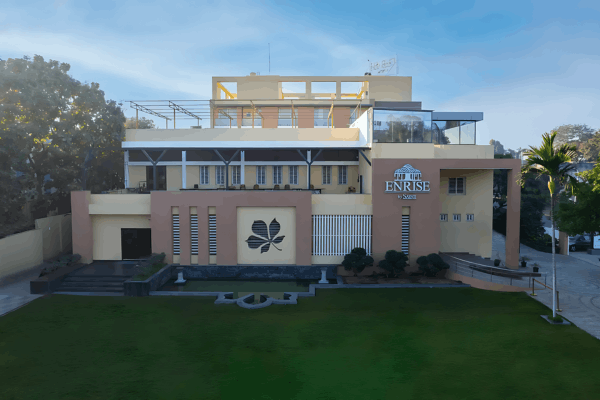
Latur’s industrial district in Maharashtra’s Marathwada region has added a new dimension to its urban infrastructure with the launch of Enrise by Sayaji, Latur, a 30-room hotel positioned within the Old MIDC area. The opening reflects a shift in the city’s economic profile — from a traditional agricultural and trading centre to an emerging business and events hub — underscoring the growing need for structured hospitality and meeting infrastructure in tier-2 Indian cities.
The property, developed in partnership with Sayaji Hotels, brings organised accommodation and sizeable event spaces into a district long characterised by informal guest stays and limited branded hotel capacity. Latur, a market town with an official population of over 24 lakh in Maharashtra’s sugar and soybean belt, has seen steady growth in industrial and commercial activity, driven by its proximity to key transport nodes and industrial estates. This trajectory has heightened demand for business-oriented stay options that combine convenience with modern amenities.Spread across 30 rooms in multiple categories, the hotel is tailored to both transient business travellers and longer-stay guests. More significantly, its MICE (Meetings, Incentives, Conferences, and Exhibitions) facilities include four versatile event venues ranging from a large auditorium-style space to smaller corporate meeting rooms. These event amenities mark a notable development in Latur’s service infrastructure, offering local industry and community stakeholders the capacity to host conferences, training sessions and celebrations without outbound travel to larger cities.
Strategic connectivity also plays a key role in the facility’s relevance. The hotel sits approximately three kilometres from Latur railway station, integrating rail accessibility with the economic activity of the MIDC estates. While the nearest major airport remains in Solapur, about 120 kilometres away, the hotel’s location aligns with ongoing efforts to decentralise business travel demand beyond traditional metropolitan centres.Urban economists and hospitality sector analysts note that such openings contribute to a broader pattern: branded accommodation is increasingly penetrating smaller Indian cities, responding to rising intra-regional mobility, expanding SME activity, and an uptick in corporate engagements outside primary cities. In the context of Maharashtra, this aligns with infrastructure investments in logistics parks, industrial zones and multimodal transport corridors that aim to distribute economic opportunity more equitably across regions.
However, market observers also caution that the long-term impact of this investment will depend on sustained demand and integration with local development plans. For Latur, which balances industrial growth with ongoing challenges in urban services and environmental sustainability, the hotel’s success could serve as an impetus for coordinated improvements in public transport, waste management and inclusive tourism strategies.
As Maharashtra’s secondary cities continue to mature, investments like this reflect a strategic pivot — from isolated commercial activity toward more cohesive, people-centred urban growth, where hospitality infrastructure plays a central role in shaping economic diversification and local quality of life.