


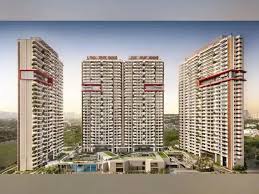
India’s property markets underwent a structural recalibration in 2025, with regional cities and premium housing segments reshaping the trajectory of India regional real estate markets. Rather than chasing volume-led expansion, developers and investors prioritised value creation, infrastructure alignment and disciplined capital deployment signalling a deeper shift in the country’s urban growth model.
Across major metros, higher ticket-size homes increasingly dominated sales. Industry data indicate that premium and luxury units accounted for a rising share of launches in cities such as Bengaluru, Pune, Hyderabad and the National Capital Region. Developers responded to changing buyer preferences for larger homes, integrated townships and better amenities, as end-users rather than short-term investors drove demand. At the same time, Tier-2 and Tier-3 cities strengthened their foothold. Markets including Indore, Lucknow, Coimbatore and Jaipur saw healthy sales momentum, supported by improved connectivity, employment clusters and civic upgrades. Analysts tracking India regional real estate markets say these cities are no longer dependent on metro spillover; instead, they are building independent demand ecosystems tied to education hubs, manufacturing growth and state-backed infrastructure corridors. Institutional investment patterns reflected this maturity. Capital inflows remained steady through 2025 but turned selective, favouring development-ready land parcels, warehousing assets and Grade-A commercial properties. Industrial and logistics parks gained prominence along expressways and freight corridors, particularly in western and northern India, as supply chains modernised and manufacturing activity expanded. Office markets in Bengaluru and Hyderabad recorded strong absorption, led by global capability centres, technology firms and flexible workspace operators. Meanwhile, cities like Chennai and Ahmedabad posted steady residential launches with mid-segment housing maintaining depth. Vacancy rates tightened in prime commercial districts, supporting moderate rental appreciation without triggering speculative spikes.
Infrastructure delivery played a decisive role in redrawing growth maps. Expressways, metro rail expansions and airport projects influenced micro-market performance across regions. Peripheral locations connected to rapid transit corridors saw higher land absorption and increased developer interest. Urban planners note that this linkage between infrastructure and real estate underscores the importance of coordinated land-use planning and transit-oriented development to prevent sprawl-driven congestion. New asset classes also entered the mainstream. Data centres, senior living communities and integrated mixed-use townships attracted capital, reflecting demographic shifts and digital demand. Sustainability metrics gained traction, particularly in commercial developments where green certifications improved leasing prospects and tenant retention. Despite the premium tilt, affordable housing supply faced headwinds due to rising input costs and land values. Experts caution that balanced growth in India regional real estate markets will require policy clarity, faster approvals and infrastructure financing mechanisms to maintain inclusivity.
As 2026 approaches, the market’s centre of gravity appears firmly anchored in quality, governance and long-term viability. The past year demonstrated that regional depth, infrastructure integration and disciplined development rather than speculative acceleration now define India’s real estate narrative.
Also Read: Bengaluru commercial real estate hits leasing peak
India cities pivot to premium housing demand
