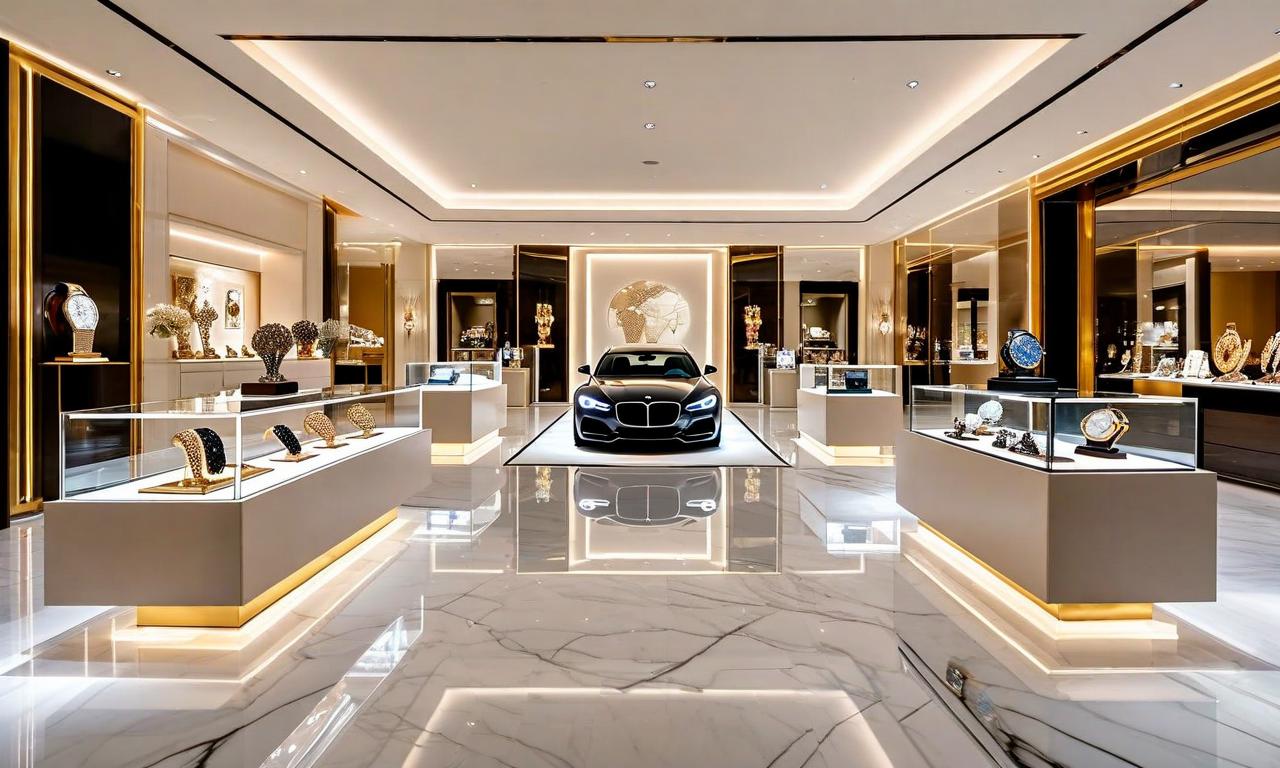
Bangalore has added a new dimension to its luxury retail landscape with the opening of an Italian furniture flagship spanning two levels and nearly 380 square metres. The development, designed to blend international design sensibilities with local urban context, signals an expanding appetite for premium interiors in India’s technology and knowledge hubs, while also reflecting broader trends in urban retail and real estate integration. The store forms part of a targeted expansion strategy in the country, with collaboration between the brand and a local interior solutions partner. Urban planners and retail analysts note that such partnerships increasingly drive retail innovation in Indian cities, particularly when international brands seek alignment with domestic expertise and networks.
The project combines high-end material selection, light-sensitive spatial design, and curated experiences across living, dining, and bedroom zones, indicating a shift from purely transactional retail spaces toward immersive, lifestyle-driven urban environments. Industry experts point out that Bangalore, as a rapidly urbanising metropolitan region, offers a concentrated customer base for luxury furniture while also presenting challenges in terms of sustainable development and equitable land use. Flagship stores of this scale must navigate complex considerations, including urban mobility, energy efficiency, and resource-intensive operations. Integrating outdoor display terraces and thoughtful material layering can contribute to energy savings and a more resilient retail footprint, aligning with zero-carbon city principles increasingly emphasised in metropolitan planning.
From a market perspective, this expansion highlights growing investment in high-value real estate within city centres and emerging neighbourhoods. While luxury retail traditionally targets affluent urban populations, planners argue that its presence can influence surrounding infrastructure, including pedestrian accessibility, microclimate adaptation, and mixed-use development. Consequently, the store’s location and design have implications not just for commercial returns but also for the broader urban ecosystem, demonstrating how responsible retail architecture can support inclusive and climate-conscious urban growth.
Economic analysts note that international brands entering Indian cities also reflect evolving urban demographics, rising disposable incomes, and the professionalisation of interior design services. By integrating local insights into spatial planning and experiential retail strategies, such projects may encourage collaborations between designers, contractors, and sustainability consultants, fostering equitable growth in creative urban sectors. As Bangalore’s retail landscape diversifies, city authorities and urban developers are increasingly attentive to the environmental footprint of large-scale commercial projects. Monitoring energy use, material sourcing, and adaptive reuse in flagship stores will remain critical to ensuring that upscale expansion aligns with long-term sustainability and inclusive urbanisation goals.