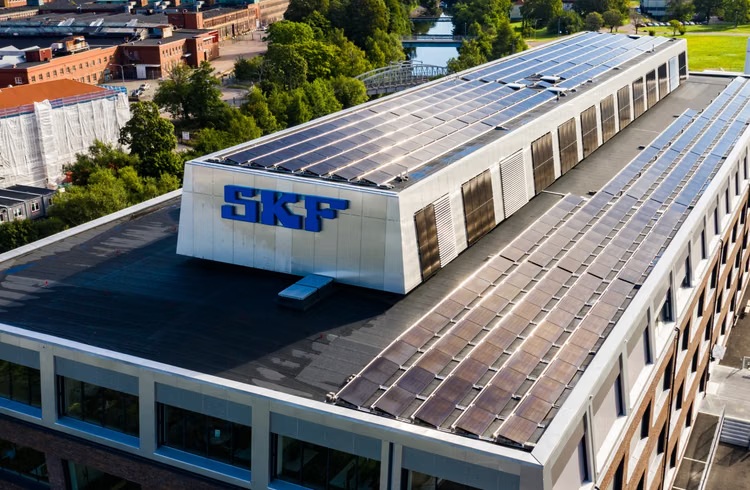
Pune is set to become a significant node for high-tech manufacturing with SKF India Industrial announcing plans for a ₹653-crore advanced production facility. The plant, scheduled for completion by 2030, aims to strengthen local industrial supply chains while integrating digital and sustainable manufacturing practices. Experts suggest the move signals Pune’s growing role as a centre for climate-conscious, technologically sophisticated industrial growth.
The new facility is being designed as a digitally integrated campus that prioritises energy efficiency and environmental sustainability. Industry analysts highlight that such developments are increasingly critical as Indian cities face the dual pressures of expanding industrial activity and rising urban emissions. By embedding smart monitoring, automation, and energy-efficient operations, the plant is expected to deliver higher productivity with lower resource intensity, aligning with broader urban climate-resilience goals.
Economic planners note that the facility will create a scalable manufacturing ecosystem, supporting sectors such as energy, rail, metals, and mining. This expansion is expected to improve responsiveness to local demand, reduce dependency on imports, and strengthen Pune’s status as a manufacturing hub in western India. A senior industrial consultant observed that digitally enabled, flexible production units are becoming a key differentiator for cities seeking to attract long-term industrial investments while balancing urban infrastructure and environmental needs.The plant also exemplifies an emerging trend of integrating sustainability into industrial operations. By reducing friction in mechanical systems and improving energy utilisation, the facility is designed to minimise its carbon footprint.
Urban infrastructure experts suggest that such investments could set new benchmarks for eco-conscious industrial corridors, especially in rapidly growing metropolitan regions. Pune’s local ecosystem including logistics, ancillary manufacturing units, and workforce training institutes is likely to benefit from the increased activity, enhancing economic inclusion and job creation in the region. From a city-planning perspective, the project raises questions about urban-industrial integration, particularly regarding transport, utilities, and land use. Coordinating energy, water, and waste management systems with sustainable city development plans will be crucial to ensure the plant’s operations complement Pune’s long-term environmental and civic objectives. Looking ahead, the facility is positioned not only as a production centre but as a model for resilient and digitally advanced industrial operations in India. If executed in line with global best practices, it could demonstrate how cities can balance economic competitiveness, industrial innovation, and sustainability.