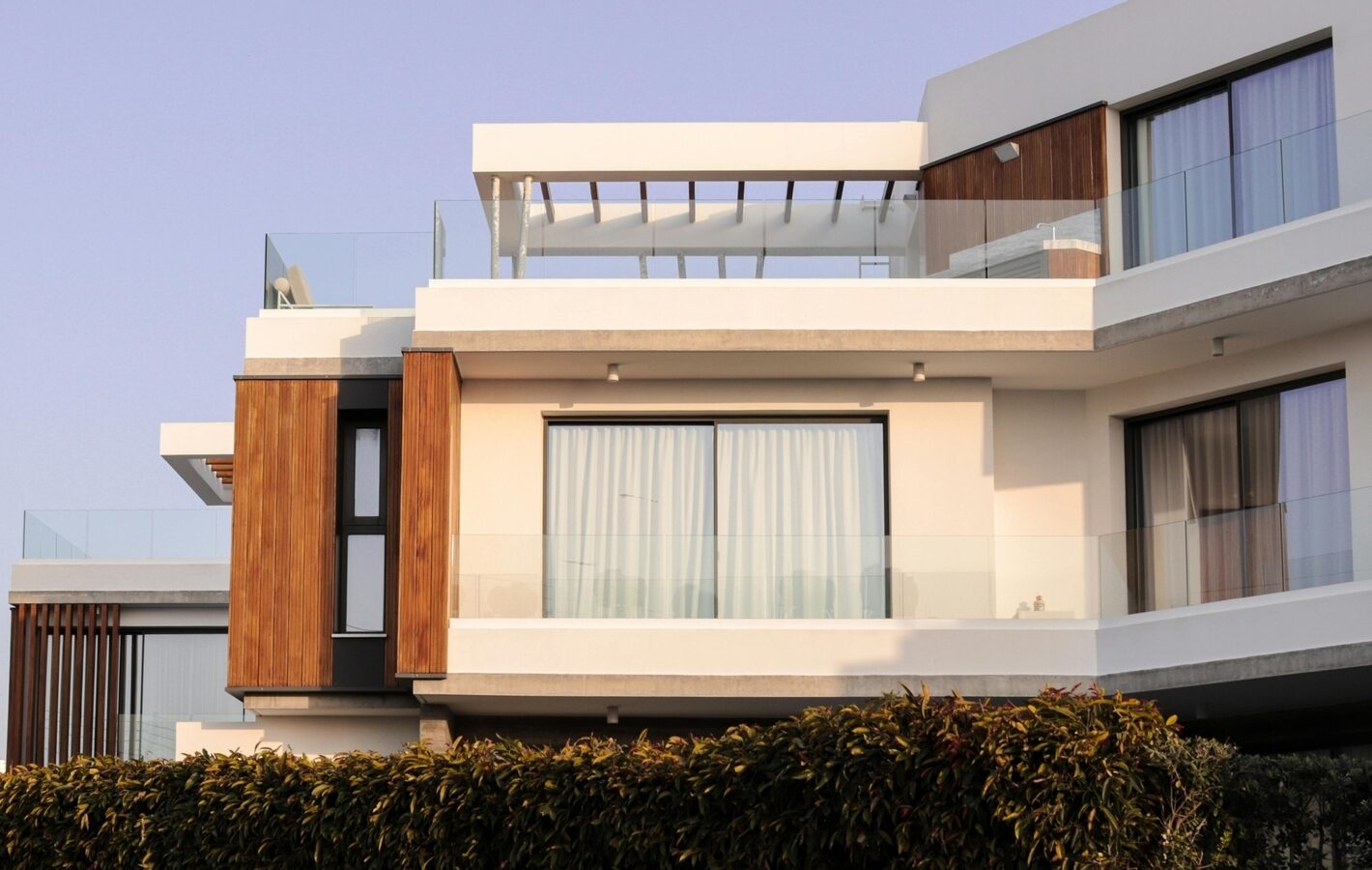
South Delhi’s high-end residential enclaves have recorded another year of steep capital appreciation, with South Delhi luxury floors in select neighbourhoods now commanding prices as high as ₹55 crore. Market data for 2025 indicate year-on-year gains ranging from 22 per cent to 34 per cent across premium colonies, significantly outpacing broader growth trends in the National Capital Region.
Independent floor units in the most exclusive municipal categories designated A and B by the Municipal Corporation of Delhi for taxation and circle rate purposes have seen the sharpest increases. In established Category A locations such as Chanakyapuri, Golf Links, Jor Bagh, Shanti Niketan and Vasant Vihar, transaction benchmarks for 2,500 sq ft residences have moved into the ₹14–25 crore band, compared with roughly ₹10–19 crore a year earlier. Larger 6,000 sq ft homes are now trading between ₹25 crore and ₹55 crore, reflecting sustained appetite for expansive, low-density formats.
In Category B colonies including Defence Colony, Greater Kailash and Gulmohar Park, price growth has been comparatively moderate but still robust, rising over 20 per cent year-on-year. A 2,500 sq ft independent floor in these neighbourhoods now averages close to ₹10–12.5 crore, up from ₹7–10 crore in 2024. Property consultants attribute the resilience of South Delhi luxury floors to a combination of constrained land supply and ongoing redevelopment. Many older bungalows are being replaced with floor-wise residential projects that optimise permissible floor space index (FSI), enabling multiple premium units on the same plot. This model appeals to affluent buyers seeking ownership control, privacy and enhanced security without the density of high-rise living.
Urban development specialists note that redevelopment activity across South Delhi represents a multi-lakh crore opportunity over the coming decade. However, they caution that infrastructure capacity including parking, water supply and green cover must keep pace with intensified land use. Balancing capital appreciation with environmental sustainability will be critical in neighbourhoods already grappling with traffic congestion and air quality concerns.
The migration of high-net-worth households from other parts of Delhi and NCR has further tightened supply in prime pockets. Buyers are drawn to proximity to diplomatic zones, established social infrastructure and reputed schools. Yet rising entry barriers could deepen spatial inequality within the city, pushing middle-income families further towards peripheral suburbs.
For policymakers, the surge in South Delhi luxury floors underscores the importance of calibrated planning. While premium redevelopment enhances property tax revenues and urban renewal, equitable housing strategies and climate-resilient design standards remain essential to ensure that the capital’s growth does not become increasingly exclusionary. As Delhi’s real estate cycle matures, the sustainability of such sharp price escalation will likely depend on macroeconomic stability, regulatory clarity and the city’s ability to reconcile exclusivity with inclusive urban development.