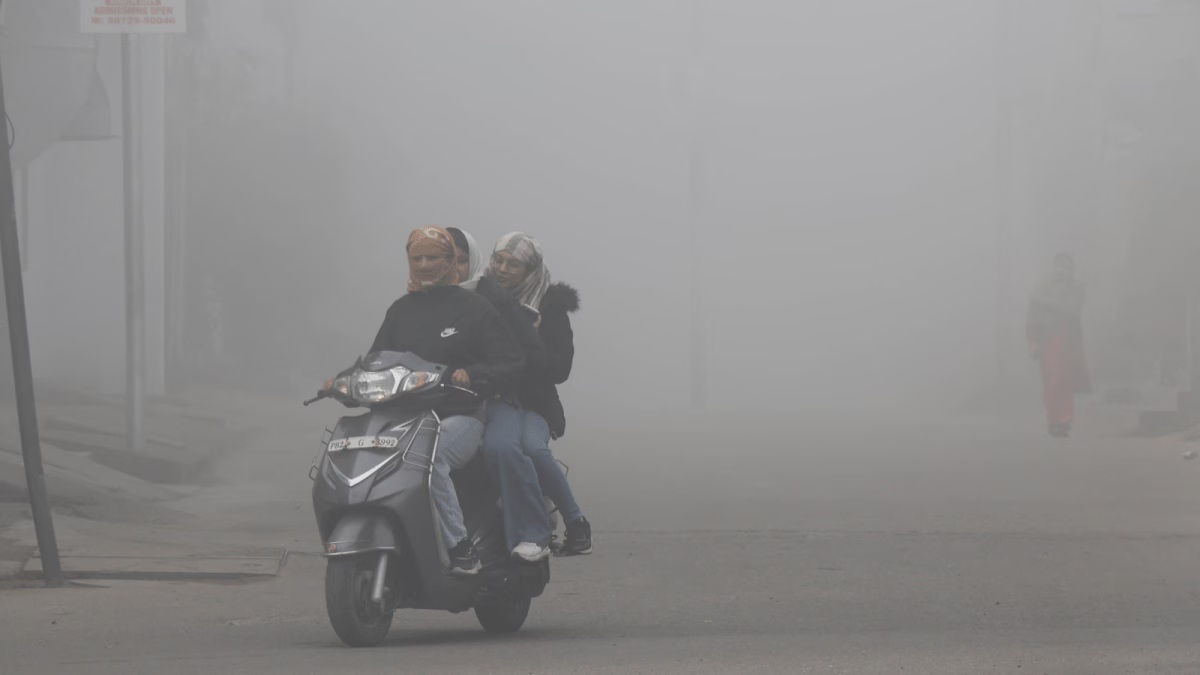
A perceptible drop in Gujarat minimum temperatures has brought sharper early-morning chills to parts of the state, even as daytime heat continues to hover above seasonal averages. The shift, recorded in the latest meteorological observations on 16 February, signals a transitional phase that carries implications for energy demand, public health preparedness and agricultural planning across western India. Northern and western districts have experienced the most pronounced cooling at night. The Kutch region reported the lowest readings in the state, with minimum temperatures falling notably below long-term norms. Coastal and Saurashtra districts, by contrast, showed milder nocturnal conditions, reflecting the moderating influence of the Arabian Sea.
In Ahmedabad and Gandhinagar, night temperatures remained marginally above normal, underscoring the micro-climatic impact of dense construction and retained surface heat. Urban planners note that built-up zones with limited tree cover and high concrete density often cool more slowly after sunset, producing warmer night-time readings compared to rural surroundings. While Gujarat minimum temperatures have dipped in select locations, maximum temperatures across several inland centres continue to exceed seasonal benchmarks. Northern stations such as Deesa and Kandla reported daytime highs well into the mid-30s Celsius. This divergence cooler nights paired with warmer afternoons typifies late-winter variability in semi-arid regions.
The absence of rainfall statewide further compounds dryness in the soil profile. Agricultural experts say fluctuating night temperatures can influence crop development, particularly for winter staples nearing harvest. Stable and predictable diurnal variation is critical for yield quality, especially in horticulture and groundnut-producing belts. For cities, the pattern offers a short window of reduced night-time cooling demand in naturally ventilated homes, but sustained above-normal daytime heat continues to drive electricity consumption. Distribution utilities typically observe a gradual seasonal rise in load during February as commercial activity expands and air-cooling systems resume operation.
Climate researchers caution that such temperature swings are increasingly common in western India. Warmer winters interspersed with brief cold spells reflect broader variability linked to regional atmospheric circulation. Though not extreme, the current dip in Gujarat minimum temperatures highlights the need for improved urban heat mitigation from reflective roofing and shaded streets to water-sensitive design. With dry conditions expected to persist over the coming days, municipal agencies are monitoring fire risks in peri-urban grasslands and waste sites. Public health advisories also recommend caution for vulnerable populations during sharp early-morning exposure. As Gujarat transitions toward summer, the interplay between cooler nights and rising daytime heat will test infrastructure resilience. For rapidly urbanising districts, integrating climate-responsive planning into housing, public transport corridors and open spaces remains essential to stabilise long-term thermal comfort and energy efficiency.