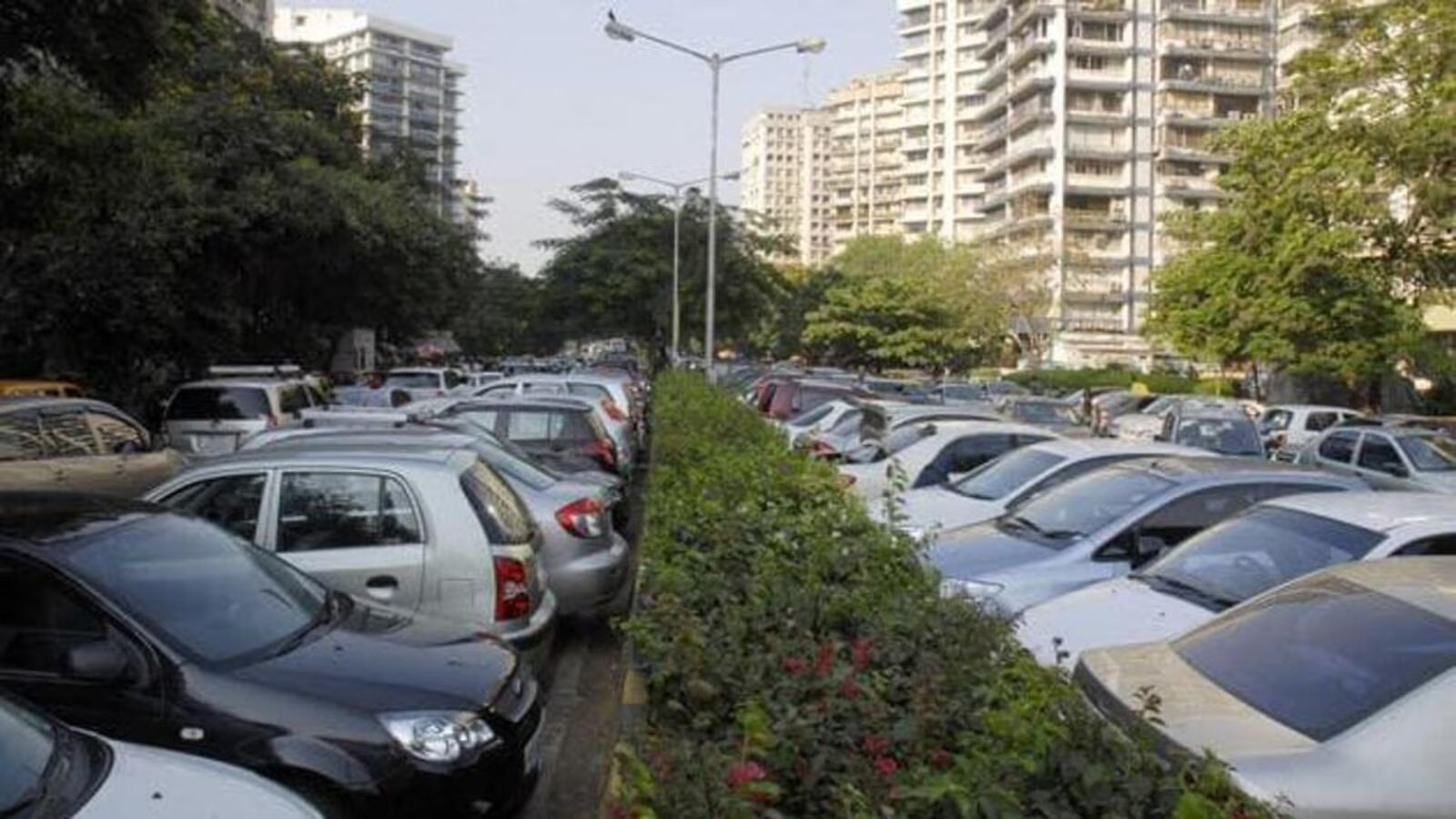
Mumbai’s traffic authorities have introduced a temporary odd–even parking system on a key Powai corridor to address rising congestion and improve commuter movement in one of the city’s busiest suburban stretches. The regulation, effective from February 13 until May 14, 2026, spans two major stretches: from Powai Plaza bus stop to Olympia Junction, and from D-Mart Circle to the Eden Garden entry gate. Officials described the measure as a strategic traffic-management intervention aimed at balancing vehicular flow and resident access.
The affected route, traversing Hiranandani Gardens, is a high-footfall zone, flanked by commercial establishments, banks, and residential complexes. Urban planners and traffic analysts note that roadside parking in these areas often impedes smooth vehicular movement, particularly during peak hours, while also obstructing emergency services. By restricting parking to one side of the road based on odd or even dates, authorities expect to mitigate congestion without fully limiting accessibility for local residents. Under the new system, vehicles may park on the left side of the road on even-numbered dates and on the right side on odd-numbered dates. Heavy vehicles are barred from the stretch entirely. A senior traffic official explained that the temporary regulation aims to maintain a balance between regulatory enforcement and practical urban mobility needs. The authorities will monitor traffic patterns and commuter compliance, assessing the impact on travel times and safety before deciding on any permanent measures.
The initiative is part of a broader trend among Indian cities to adopt flexible traffic management strategies that prioritise urban resilience and sustainability. By curbing roadside obstructions, the city seeks to reduce vehicle idling, lower emissions, and enhance overall travel efficiency, aligning with long-term goals of a more climate-resilient, people-focused transport network. Industry experts suggest that if successful, such temporary measures could inform similar interventions across other congested nodes in Mumbai, particularly in mixed-use residential-commercial areas where public transport and private vehicles intersect. Residents and business owners in Powai are advised to remain aware of the odd–even dates and plan their parking and commuting accordingly. Digital signage and local notifications are being deployed to guide drivers and minimise disruption. Analysts also point out that these regulatory measures provide insights into demand-driven urban design, highlighting the need for adequate parking infrastructure and pedestrian-friendly streets in rapidly densifying suburbs.
The Powai odd–even parking system represents a measured step in urban traffic governance, reflecting the city’s approach to adaptive, data-informed solutions for congestion management. The authorities have indicated that post-May 14, a review will determine whether modifications, extensions, or permanent rules will be implemented to support sustainable mobility and equitable road access.
Mumbai Implements Odd Even Parking In Powai