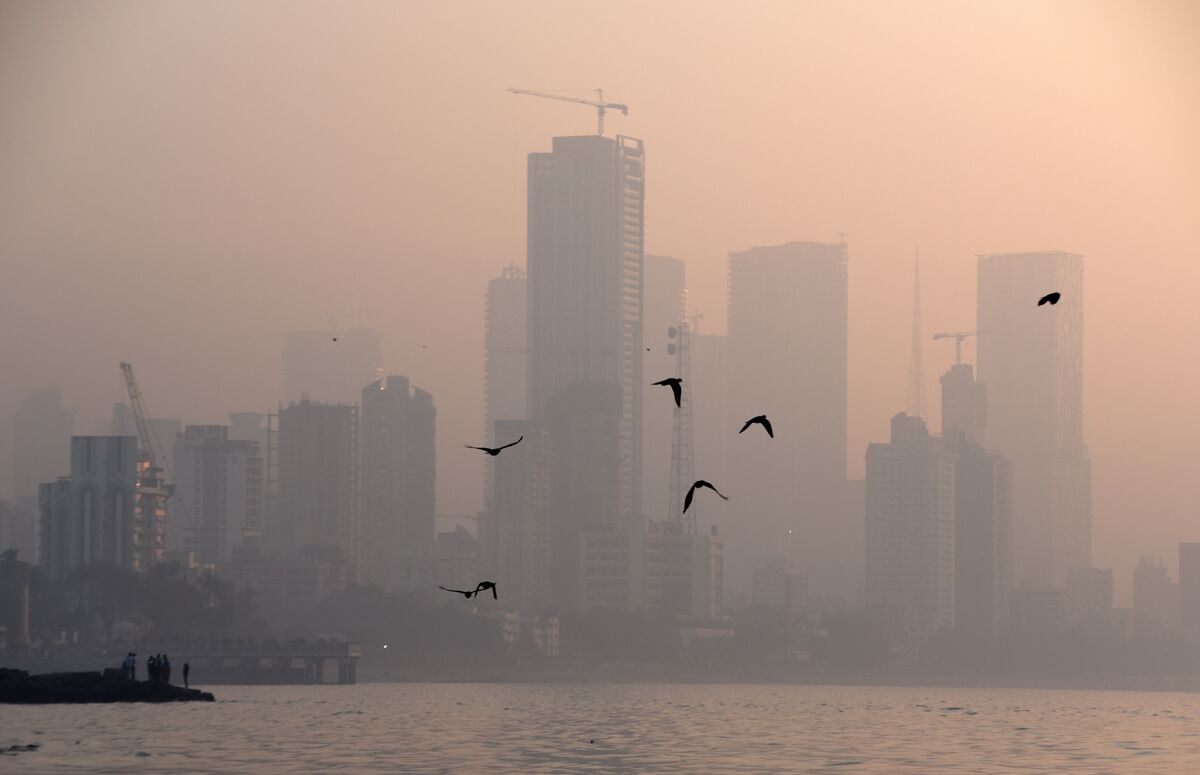
Mumbai’s air quality in February has registered levels worse than in the preceding winter months, according to data from the Central Pollution Control Board (CPCB). Despite the seasonal expectation that pollution peaks during December and January, the first half of February saw an average Air Quality Index (AQI) of 121, placing the city in the “moderate” category, compared with 107 in January and 117 in December.
Urban planners and environmental analysts note that this trend indicates persistent air quality challenges in the metropolitan region. Only one day in February recorded a “satisfactory” AQI below 100, highlighting the limited improvement compared with eight satisfactory days in January and two in December. Experts attribute the sustained pollution levels to a combination of construction dust and vehicular emissions, which dominate Mumbai’s PM10 particulate concentrations. PM10, or inhalable particulate matter with a diameter of 10 micrometres, is a primary indicator of urban air pollution. These fine particles, approximately one-fifth the width of a human hair, originate largely from construction sites, unpaved roads, and combustion engines. While not as immediately hazardous as smaller PM2.5 particles, PM10 can exacerbate respiratory issues and contribute to long-term public health concerns. Industry experts stress that addressing PM10 emissions requires coordinated interventions in urban planning, construction management, and vehicular regulation.
Municipal authorities have indicated that episodic spikes in PM10 coincide with ongoing infrastructure projects and traffic congestion in key urban corridors. Urban planners suggest that without stronger enforcement of dust control measures, including construction site water-spraying protocols and stricter road maintenance, Mumbai’s winter pollution trend could shift into the pre-monsoon period, extending the duration of suboptimal air quality. The broader economic and social implications are significant. High AQI days can disrupt outdoor work, affect school attendance, and reduce productivity in commercial districts. Environmental experts also highlight that prolonged exposure to particulate pollution increases healthcare burdens, particularly for vulnerable populations such as children, elderly residents, and individuals with pre-existing respiratory conditions.
City planners are increasingly advocating for integrated solutions that combine monitoring technology with targeted regulatory actions. Potential interventions include expanding green cover along high-traffic corridors, accelerating transition to low-emission public transport fleets, and incentivising cleaner construction practices. Urban sustainability specialists emphasise that tackling PM10 is not only a public health priority but also a key component of Mumbai’s climate resilience and responsible urban development strategy. As Mumbai continues its trajectory of rapid urban expansion, the February AQI trends underline the need for proactive air quality management. Long-term solutions will require collaboration between civic authorities, environmental regulators, and private developers to ensure that the city’s infrastructure growth does not compromise breathable air for its residents.
Mumbai Sees Higher Pollution Levels In February