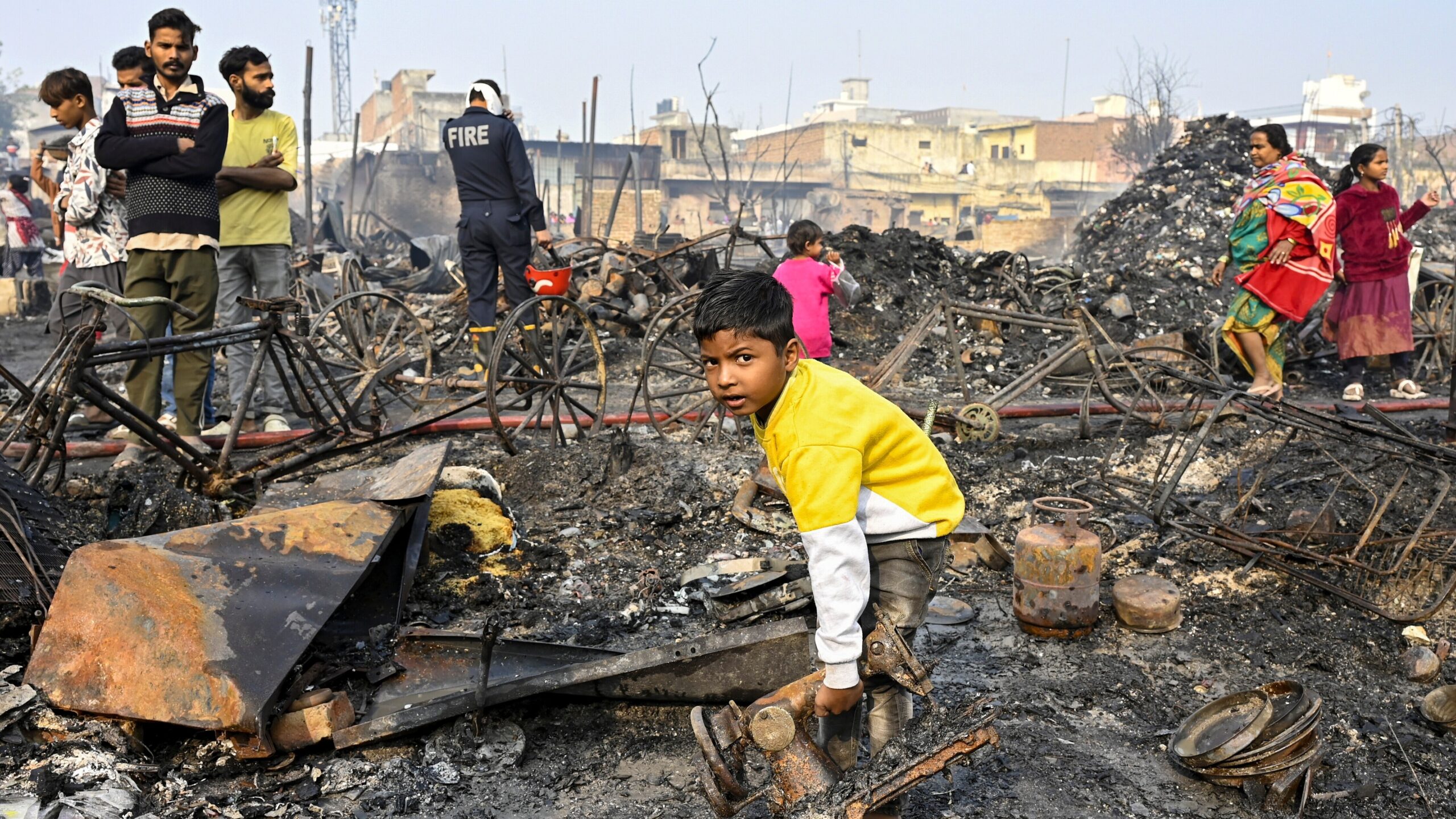
Nagpur Fire At Metro Station Causes Infrastructure Loss
Nagpur, Maharashtra — A fire at the Vasudeo Nagar metro station in Nagpur earlier this week has drawn attention to infrastructure safety and emergency preparedness within the city’s rapidly expanding urban transit network.
Although no casualties have been reported, the blaze inflicted an estimated ₹5 lakh in material damages, prompting safety audits and a renewed focus on risk management protocols in public transport infrastructure. The fire broke out late on a mid-week evening at the Vasudeo Nagar station — part of the Nagpur Metro’s Aqua and Orange Line interchange. Initial investigations by municipal fire services suggest that the ignition may have originated from electrical equipment near the station’s concourse area, though formal forensic analysis is ongoing. Commuter services were not significantly disrupted, and staff evacuated passengers quickly, highlighting the value of training and emergency coordination in urban transport hubs.
While the financial loss appears modest, the incident exposes latent vulnerabilities in urban infrastructure safety systems. Fire safety engineers note that metro stations — like other facets of public transit infrastructure — must integrate robust systems engineering, preventive maintenance and hazard monitoring to support long-term resilience. In dense transit environments, even minor incidents can have ripple effects on commuter confidence and operational continuity if not managed transparently. Urban infrastructure specialists say that as cities scale up mass transit networks, safety and emergency response frameworks must evolve concurrently. “Building new infrastructure is only the first step; ensuring that it can withstand and quickly recover from operational incidents — whether mechanical, electrical or environmental — is central to sustainable and inclusive mobility,” said a senior transport planner familiar with metro operations. This aligns with global best practices in urban transit systems that embed regular audits, real-time monitoring and public communication protocols.
In recent years, Nagpur’s metro network has grown into a key pillar of the city’s mobility ecosystem, connecting residential zones with commercial and institutional hubs. Transit ridership data indicates rising adoption, particularly among daily commuters seeking low-emission alternatives to private vehicles. However, incidents like the Vasudeo Nagar fire remind planners that safety experiences — alongside speed, convenience and affordability — influence overall public trust in urban infrastructure. Regulatory frameworks such as the National Building Code of India and metro safety guidelines mandate fire detection systems, sprinkler networks, emergency exits and staff training programmes. Municipal sources say that an internal review will assess compliance with these standards at Vasudeo Nagar and other stations, with upgrades rolled out as needed. A spokesperson from the metro authority also stressed that passenger safety remains a priority and that regular drills and equipment checks are underway.
Incidents of this nature also offer lessons in integrating technology into infrastructure resilience. From thermal sensors and automated shutdown systems to predictive maintenance algorithms powered by data analytics, a spectrum of tools exists to reduce the risk of electrical fires and other operational hazards. Urban technologists advocate for such systems to be standard components of metro architecture, particularly as networks grow in scale and complexity. For commuters and residents, the event was a brief disruption but also a reminder of the interconnectedness of infrastructure performance, urban safety and daily life. Metro officials have pledged transparency in sharing investigation outcomes and scheduling any subsequent safety enhancements, reinforcing that even relatively small blazes can catalyse improvements in risk governance.
Looking ahead, integrating safety benchmarks into infrastructure expansion plans — and allocating resources for preventive measures — will remain essential as Nagpur and other Indian cities balance rapid transit growth with resilience and service reliability.