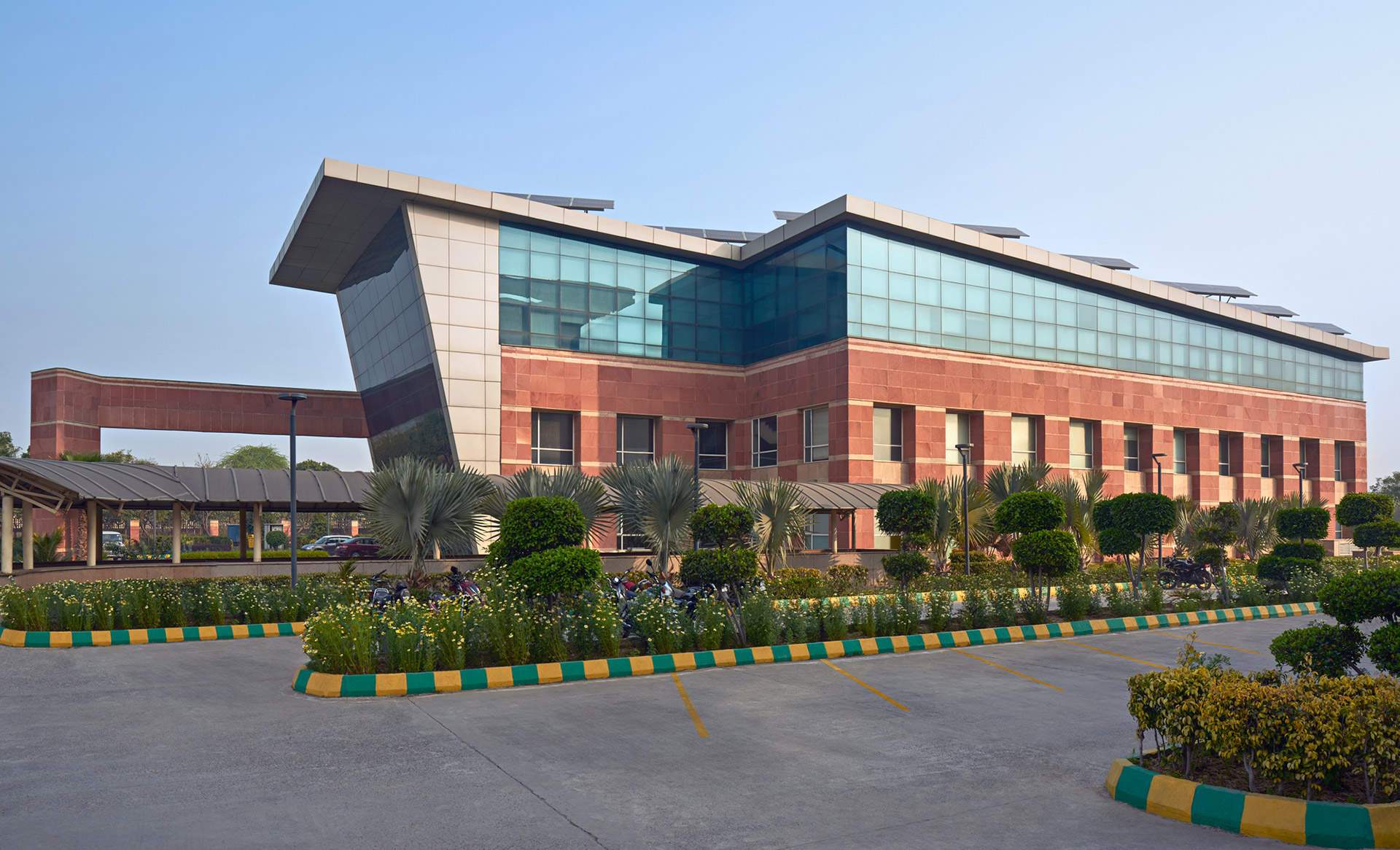
Greater Noida, Uttar Pradesh — A decade after its inception, the Government Institute of Medical Sciences (GIMS), Greater Noida, celebrated its 11th foundation day on Sunday, spotlighting its evolving contribution to regional healthcare, medical education and community wellbeing.
The ceremony underscored the institute’s expanding role in strengthening tertiary health services and graduate medical training across western Uttar Pradesh. Launched in 2016 as an autonomous medical teaching hospital affiliated with a state health university, GIMS has grown into a significant public healthcare anchor for the broader National Capital Region hinterland, serving thousands of patients weekly. Its multi-specialty hospital campus — strategically located near major arterial expressways — has become a critical access point for clinical care, diagnostics and emergency services for surrounding districts including Bulandshahr, Meerut, Hapur and Mathura. The foundation day event brought together senior healthcare officials, academic leaders, faculty and students.
In her address, the institute’s Dean highlighted operational achievements over the past year — from strengthened academic programmes to increased research output, expanded outpatient and inpatient services, and enhanced community outreach initiatives. These developments reflect broader efforts by state medical institutions to bridge gaps in quality public healthcare in peri-urban and rural regions. Healthcare administrators noted that GIMS’s evolution mirrors wider policy priorities to build capacity within government-run health systems. By combining medical education with substantial clinical facilities, such institutions help generate a steady pipeline of trained professionals — at a time when India is grappling with uneven distribution of doctors and specialists, especially outside metropolitan centres. In recent years, GIMS has also embraced technological innovation. Earlier this year, the institute launched India’s first AI-based clinic within a government hospital, aimed at improving diagnostic speed and accuracy through data-driven tools that support early detection of diseases such as cancer and cardiovascular conditions.
This initiative positions the hospital at the intersection of medical innovation and public service delivery. Doctors, administrators and students were recognised during the celebrations for contributions to teaching, research and patient care — a move seen as essential for boosting morale and reinforcing professional standards in the public sector. Meritorious students received awards that signal the institute’s commitment to academic excellence and leadership cultivation. Urban health experts say that such institutions are pivotal to the equitable expansion of healthcare services in India’s rapidly urbanising regions. As cities like Greater Noida grow in population and economic significance, accessible and affordable tertiary health infrastructure remains a cornerstone of urban resilience and human development. Institutions like GIMS not only respond to immediate health needs but also anchor long-term human capital growth through education and research.
Looking ahead, GIMS officials reaffirmed their vision to enhance specialised services, research collaborations and community health engagement — all while maintaining affordable treatment for a diverse patient base from across the NCR and beyond.