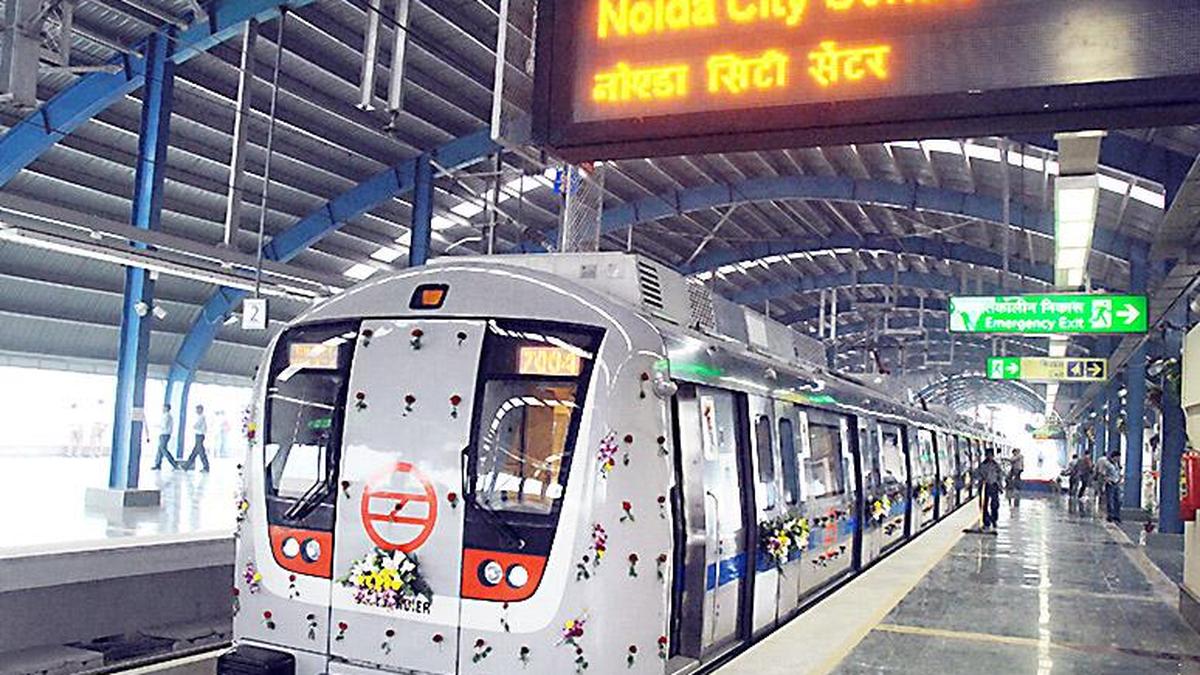
Noida Metro Extension Enhances Multimodal Connectivity
Noida, Uttar Pradesh — The Union Cabinet has sanctioned a significant expansion of the Noida Metro extension, authorising an 11.56-kilometre elevated corridor from Botanical Garden to Sector 142 that will directly link the network with Delhi’s core transit grid and alleviate longstanding connectivity gaps.
This decision carries wide implication for commuter experience, regional planning and emission-efficient mobility across the National Capital Region (NCR). The USD-equivalent ₹2,254 crore project will add eight new stations and transform Botanical Garden into a pivotal multimodal transit interchange by integrating the Noida Metro’s Aqua Line with the Delhi Metro’s Blue and Magenta corridors. The move is aimed at reducing travel friction for daily commuters who currently navigate complex transfers between separate systems, and is expected to reduce journey durations and road congestion along the busy Noida Expressway.
Transport analysts say the Noida Metro extension addresses critical mobility inefficiencies in one of India’s fastest growing economic corridors. “By creating seamless connectivity between major metro networks, the city can shift commuters away from private vehicles, lowering tailpipe emissions and improving air quality,” a senior urban planning specialist noted. Given the NCR’s ongoing struggle with pollution and traffic-related delays, enhanced mass transit infrastructure directly supports climate resilience and public health goals. The new corridor will form a continuous transit spine from central Noida into Greater Noida, bringing corporate campuses, educational institutions and residential hubs within easier reach of efficient public transport. Key commercial micro-regions such as business parks in Sectors 142, 98 and 93, as well as institutional nodes like Amity University, stand to benefit from improved accessibility — a factor that experts say could expedite local economic activity and redistribute real estate demand along the alignment.
Improved connectivity to Delhi’s domestic airport via the Magenta Line and prospective links to emerging nodes such as the Multi-Modal Transport Hub at Boraki further underscore the project’s regional significance. Since these developments align with broader NCR transit goals, planners see the extension as a catalytic step toward a truly integrated, sustainable metropolitan transport network that better serves residents, workplaces and investment flows. Implementation, led by the Noida Metro Rail Corporation with contributions from national and state funds, is targeted for completion within four years. However, ensuring land acquisition, managing elevated construction in dense urban sectors, and coordinating operations with multiple transport agencies remain key execution challenges.
Urban development stakeholders argue that such transit investments are foundational for equitable mobility — enabling broader access to opportunities while mitigating environmental impacts tied to rapid urbanisation. The Noida Metro extension is now positioned as a strategic infrastructure lever that not only serves immediate commuter needs but also helps shape long-term resilience and inclusivity in one of India’s dynamic urban clusters.