


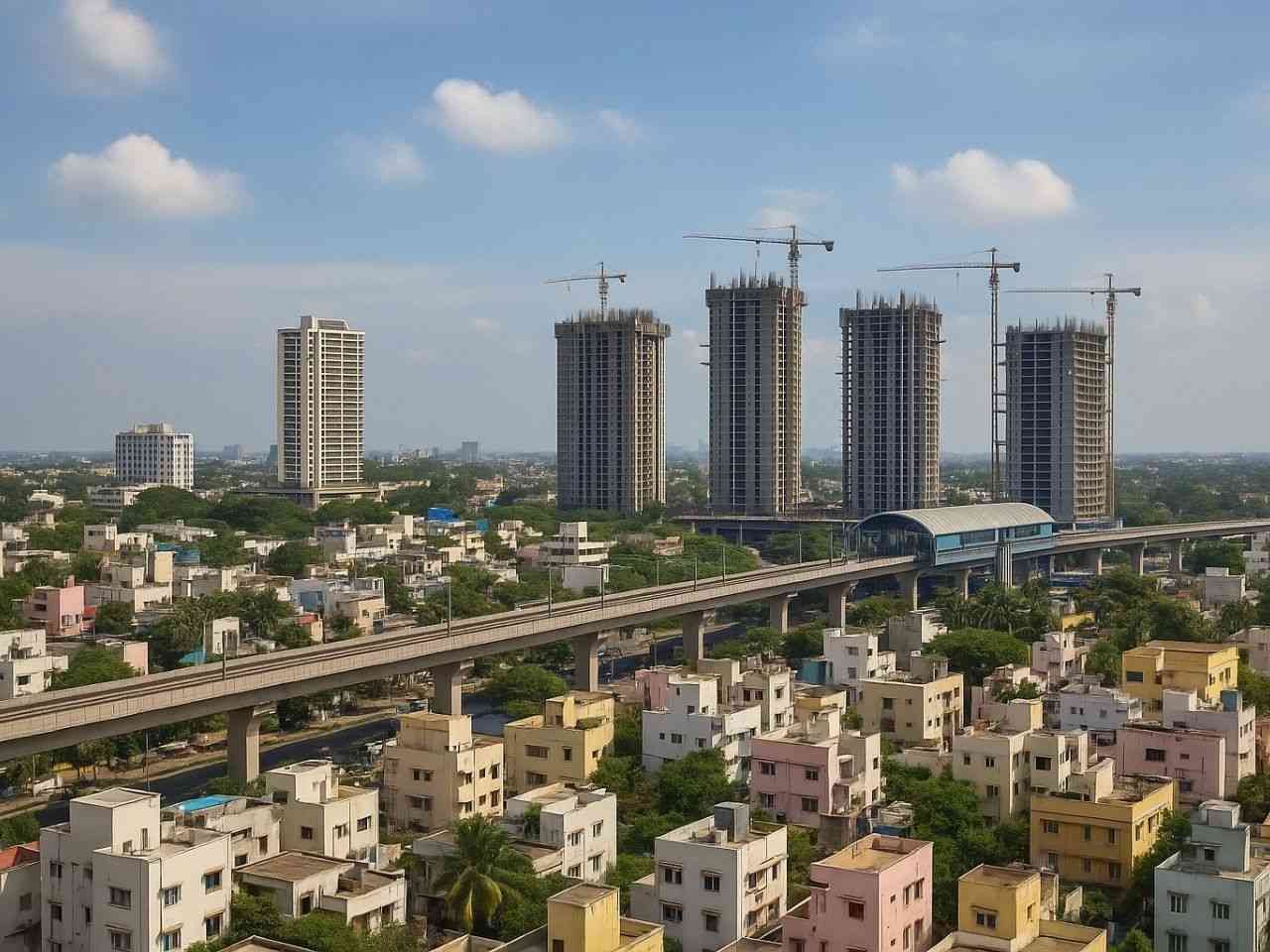
As Tamil Nadu prepares to table its State Budget, resident welfare associations across Chennai are pressing for urgent investment in civic infrastructure, arguing that rapid urban expansion has outpaced basic services in several neighbourhoods.Groups representing residents along the Old Mahabalipuram Road (OMR) corridor, one of the city’s largest IT and residential growth belts, say long-promised stormwater drains, piped water connections and underground sewer networks remain incomplete. With an estimated one lakh apartments lining the stretch, infrastructure gaps are increasingly shaping daily life and real estate value.
A federation of OMR associations has flagged that several interior roads lack functional stormwater drains, leaving thousands of homes vulnerable to seasonal flooding. In some locations, drains have been partially laid but remain unconnected, reducing their capacity to channel excess rainwater during intense monsoon spells. Urban planners note that fragmented networks can worsen flood risk by redirecting flows without providing a clear outlet.The concerns extend beyond OMR. Resident associations in Velachery, Maduravoyal, Neelangarai and other localities have sought time-bound completion of pending works, including road restoration, canal desilting and culvert upgrades. In low-lying areas near the Pallikaranai marshland, incomplete drainage links have reportedly contributed to recurrent water stagnation, raising public health risks.
Civic accountability has emerged as a recurring theme. Associations have called for technical audits of existing stormwater drain projects, greater transparency in contracts and expenditure, and adherence to quality benchmarks. Urban finance experts say such oversight mechanisms are critical in cities where repeated allocations do not always translate into durable infrastructure.Water supply is another flashpoint. In parts of the southern suburbs, overhead tanks linked to desalination projects have been inaugurated, but household-level connections remain pending. Residents are seeking clarity on connection charges and the timeline for metered supply. Reliable water infrastructure, analysts say, is essential not only for liveability but also for attracting knowledge-sector investment.
Transport bottlenecks have also drawn attention. Delays in widening key arterial stretches and stalled bridge proposals linking the East Coast Road and OMR are affecting commute times. In western neighbourhoods, calls for a dedicated bus terminus and improved public transport connectivity reflect concerns over rising reliance on private vehicles and app-based cabs.Waste management and neighbourhood amenities feature in the charter of demands as well. Residents are advocating decentralised composting units, stricter regulation of heavy vehicle movement in residential streets, and maintenance of parks and walking tracks that support inclusive, age-friendly urban design.
The Greater Chennai Corporation is expected to outline its fiscal priorities alongside the State Budget. For Chennai, the debate signals a broader shift: citizens are increasingly evaluating governance through the lens of climate resilience, service reliability and equitable infrastructure distribution.As budget announcements approach, the key question is whether allocations will prioritise completion of foundational civic works over new announcements—shaping how India’s coastal megacity prepares for the next monsoon and the next decade of growth.
Also Read:Bengaluru real estate brand backs city football club
Chennai Civic Infrastructure Budget Demands Rise
