


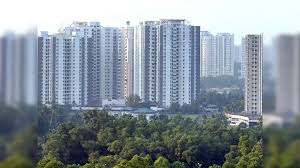
India’s real estate sector is increasingly turning its focus to senior living as demographic shifts create new market opportunities, according to industry insights shared at CREDAI Maharashtra’s recent MahaCON conclave. With the senior living segment projected to reach $36 billion by 2050, developers and urban planners are recalibrating strategies to meet the needs of an ageing population while integrating sustainable and inclusive urban design principles.
Urban experts point out that India’s residential landscape is undergoing a structural transformation. As life expectancy rises and nuclear family structures become more common, demand for specialised housing catering to older adults is expected to surge. Senior living projects are not only residential assets but also contribute to broader civic and social infrastructure, including healthcare access, mobility-friendly design, and community services, emphasising people-first urban planning. CREDAI leadership highlighted that the Indian real estate market has grown nearly 130% over the past decade, with projections indicating it could become a Rs 10 lakh crore sector within the next ten years. While traditional housing and commercial segments remain critical, senior-focused developments represent a largely untapped “blue ocean” opportunity. Observers note that early movers in this segment can combine market differentiation with societal impact, shaping age-friendly urban environments. The discussion also underscored the rising importance of Tier 2 and Tier 3 cities. Improved regional connectivity and transport networks are reducing the gap between metropolitan and emerging urban centres, creating avenues for investment, employment, and residential development beyond traditional hubs.
Innovative financing models, including structured debt and equity participation, are making senior living projects more feasible, particularly for SMEs seeking to enter high-growth real estate verticals. Technology adoption emerged as another key driver. Developers are increasingly leveraging AI, data analytics, and smart building systems to improve operational efficiency, enhance transparency, and tailor services to residents’ health, safety, and lifestyle needs. Urban analysts suggest that such tech integration will be essential for creating sustainable, climate-resilient senior communities capable of supporting long-term urban growth. CREDAI also highlighted that India’s commercial real estate sector remains underdeveloped relative to demand, with significant potential to scale to $1.43 trillion by 2035. Strategically integrating senior living with mixed-use developments, healthcare facilities, and mobility networks can help maximise land use efficiency while creating economically viable, socially inclusive urban districts.
As India prepares for demographic and economic transitions, senior living represents more than just a niche housing segment. By combining high-quality construction, regulatory compliance, data-driven governance, and inclusive design, developers can create environments that enhance the well-being of older adults while supporting urban resilience. Experts stress that success in this sector will require collaboration across industry, academia, and municipal authorities to ensure long-term societal benefits alongside commercial viability.
Also Read: Indore Micro Mitti transforms real estate investing
CREDAI projects $36 billion senior housing
