


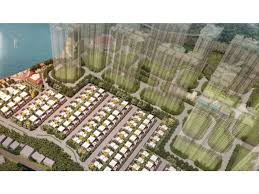
Hyderabad’s Madhapur suburb is under fresh scrutiny as Madala Holdings Limited has initiated a strategic review of its property holdings in the area, signalling potential redevelopment plans. The move, analysts note, could reshape the commercial and residential fabric of one of the city’s most dynamic technology corridors, with implications for urban density, real estate valuations, and local infrastructure.
Industry sources suggest that the evaluation aims to assess both land use optimisation and redevelopment potential, reflecting a broader trend in Hyderabad where ageing commercial and mixed-use properties are being reconsidered for higher-density, multi-functional developments. Madhapur, home to major IT hubs and burgeoning residential pockets, presents unique challenges and opportunities for urban planners seeking to balance growth with sustainability. Urban economists highlight that strategic reviews of this nature typically precede redevelopment that maximises floor space utilisation, integrates green building standards, and aligns with municipal zoning regulations. In this context, Madala Holdings’ Madhapur property could become a test case for integrating climate-responsive design with high-density urban living, including sustainable water management, energy-efficient construction, and improved mobility solutions. Local market observers indicate that the company’s evaluation also considers the financial performance of the property, noting that Madhapur has seen increasing demand for both Grade A office space and modern residential units. Rising rents and land values make redevelopment an economically viable option, especially if projects can incorporate mixed-use components that serve both residents and professionals in the IT and services sectors.
The company recently reported robust quarterly results, with revenue of Rs 340.20 lakh, underscoring a stable financial footing to pursue redevelopment initiatives. Senior officials in the sector caution, however, that any large-scale transformation in Madhapur must contend with existing infrastructure limitations, including traffic congestion, water availability, and civic service capacity, to ensure that densification does not strain urban systems. Urban planners note that strategic evaluations also allow companies to align projects with Hyderabad’s broader city planning framework, which emphasises inclusive growth, equitable access to amenities, and climate resilience. Incorporating pedestrian-friendly zones, green spaces, and mixed mobility options can enhance both liveability and long-term asset value. The coming months are expected to reveal whether the evaluation will culminate in a phased redevelopment plan, sale of assets, or partnership with institutional investors. Regardless of the outcome, the review itself reflects a shift in urban real estate strategy, where companies increasingly consider the social, environmental, and infrastructural implications of their property decisions alongside financial returns.
For residents and the local economy, the potential redevelopment could bring modern infrastructure, enhanced commercial opportunities, and improved public amenities. At the same time, it underscores the importance of careful planning to ensure that growth does not compromise Hyderabad’s commitment to sustainable, inclusive, and resilient urban development.
Also Read: Delhi luxury home market resets benchmarks
Hyderabad redevelopment plans under Madala Holdings
