


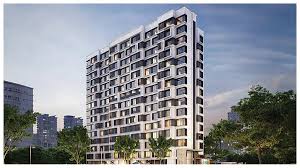
Mumbai’s luxury residential market has recorded another high-value transaction, with Reliance Industries Limited acquiring three premium apartments at One Altamount Road in South Mumbai for a combined consideration of Rs 85 crore, according to property registration data reviewed by Urban Acres. The purchase reinforces continued corporate-linked interest in trophy addresses within the island city’s most exclusive neighbourhoods.
The apartments, located in the Altamount Road–Cumballa Hill micro-market, together measure roughly 3,162 sq ft of carpet area. The largest unit accounts for just over 2,000 sq ft, while two adjoining residences are approximately 579 sq ft each. The transaction was registered earlier this month, with stamp duty payments exceeding Rs 5 crore. Altamount Road has long been regarded as one of India’s most expensive residential corridors, home to ultra-high-net-worth individuals and legacy business families. Limited land availability, strict development controls and proximity to the traditional central business districts sustain its pricing power. Market analysts note that supply in this pocket remains tightly held, with most transactions occurring through secondary sales rather than fresh launches. The acquisition adds to a broader pattern within Mumbai luxury housing, where corporate entities and promoter-led groups often acquire residential assets for senior executives, guest accommodation or long-term investment. Unlike speculative investor activity seen in some cycles, recent high-end transactions appear more balance-sheet driven, supported by strong cash flows. Industry observers say the Rs 85 crore deal, while modest compared to land acquisitions or commercial transactions, signals sustained confidence in South Mumbai’s residential fundamentals.
Despite rising activity in emerging luxury corridors such as Worli and Lower Parel, the Altamount–Malabar Hill belt continues to command a premium due to established infrastructure, security and social capital. At the same time, the transaction highlights the sharp divergence within the city’s housing market. While Mumbai luxury housing records headline deals in prime enclaves, mid-income and affordable segments remain constrained by land costs and regulatory levies. Urban economists argue that balanced development requires increased supply across price points, alongside improved transit connectivity to peripheral growth zones. From a sustainability perspective, vertical luxury developments in core city areas can reduce outward sprawl, provided building design incorporates energy efficiency and water management systems. However, experts stress that premium residential growth must align with broader urban resilience planning, particularly in flood-prone coastal districts.
For now, South Mumbai’s marquee addresses continue to attract capital from India’s largest corporate houses. Whether such transactions remain selective or evolve into a wider cycle of consolidation will depend on macroeconomic conditions and the trajectory of Mumbai luxury housing demand in 2026.
Also Read: Mumbai property tax recovery crosses 455 crore
Mumbai luxury housing registers 85 crore
