


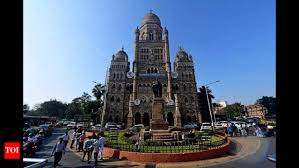
Mumbai’s municipal administration has initiated e-auction proceedings against six properties across the city to recover more than Rs 455 crore in unpaid dues, marking one of the largest coordinated property tax enforcement actions in recent years. The move signals a sharper push on compliance as civic finances face mounting pressure from infrastructure and climate resilience spending.
The action has been taken by the Brihanmumbai Municipal Corporation (BMC) under provisions of the Mumbai Municipal Corporation Act. Officials confirmed that the properties identified for auction are located in Goregaon (West), Bandra (West), Dahisar, Parel, Mazgaon and Malad-Kurar village. Two additional properties in Fort have been issued final 21-day notices to clear arrears before auction proceedings begin. The cumulative outstanding amount of Rs 455.48 crore includes penalties and interest. As part of the recovery process, the civic body has initiated attachment and distraint proceedings, which allow movable assets on the premises to be seized and auctioned first. If dues remain unsettled, the immovable asset may be auctioned in accordance with statutory procedure and judicial guidelines laid down by the Bombay High Court. Municipal finance experts say the Mumbai property tax recovery drive reflects the city’s increasing dependence on own-source revenues. Property tax remains one of the BMC’s most significant income streams, funding essential services such as road maintenance, stormwater management, solid waste systems and public health infrastructure. With large capital outlays required for metro connectivity, coastal protection and drainage upgrades, consistent tax collection is critical to fiscal stability.
Urban economists argue that enforcement must be even-handed and transparent to maintain public trust. While action against high-value defaulters demonstrates administrative resolve, delays in assessment updates and valuation disputes have historically complicated compliance in some cases. Digital billing systems and geospatial mapping are gradually improving tracking accuracy, but legacy arrears remain substantial. The properties under scrutiny span residential-cum-commercial premises, open plots and industrial units. Analysts note that prolonged non-payment can distort market behaviour, creating unfair advantages over compliant taxpayers. Timely recovery also reduces the burden on smaller property owners who often face regular revisions and enforcement notices. The Mumbai property tax recovery initiative arrives at a time when cities across India are seeking to strengthen municipal balance sheets without over-reliance on state grants. Financial discipline at the local level is increasingly linked to credit ratings and the ability to raise capital for green and climate-resilient projects.
For Mumbai, sustained enforcement combined with transparent grievance redressal will determine whether the current drive evolves into a structural reform of municipal revenue systems. As infrastructure demands expand, stable and accountable property taxation remains central to equitable urban governance.
Also Read: Mumbai office leasing expands in Andheri East
Mumbai property tax recovery crosses 455 crore
